
Reviewed · BRITISH MUSEUM TOURS
London: British Museum Archaeology Course and Guided Tour
If you want the British Museum to feel like a story you can follow, this archaeology course is a great fit. I love the archaeologist-led pacing and the way you learn how discoveries get made, not just what objects look like. My one caution is the tour is long and focused, so you will miss plenty of galleries if you were hoping to wander freely.
You meet outside Russell Square Station and get straight into the museum with a skip-the-line entrance. Then you move through major collections with context, hitting big names like the Rosetta Stone, the Parthenon Marbles, and the Sutton Hoo Helmet, while the guide explains what archaeologists can infer from them.
By the end, you do something rare for a museum tour, you play The Royal Game of Ur, a very old board game with rules tied to British Museum scholarship. This is also a strong choice if you like asking questions, because the guide keeps checking in and makes room for curiosity.
Key things I’d circle before you go
- Qualified archaeologist guide who explains evidence, not just facts
- Writing systems 101, including Egyptian hieroglyphs and Sumerian cuneiform
- Museum highlights with context, from Ancient Egypt to Greece and Rome
- Science of archaeology, including how objects are dated and interpreted
- The Royal Game of Ur, so history becomes something you can play and remember
Entering The British Museum Like You Have a Time Machine in Your Pocket
The big reason this tour works is that it treats the British Museum like a lab for human history. Yes, you see famous objects, but the core value is learning the thinking behind them: what archaeologists look for, what they can infer, and what still stays uncertain.
I also like that the tone stays practical. You are not just listening to a lecture while staring at glass cases. You get a guided path through galleries and the ideas behind them, so when you look at an artifact afterward, you understand the questions behind it.
And the guide, Rossa, has a talent for keeping both adults and teens engaged for the full stretch. In multiple visits, people mention that he can hold attention and keep the flow going even when the museum is crowded.
More British Museum tours:
- London: British Museum Guided Tour
★ 4.3 · 1,182 reviews - British Museum London Guided Tour Semi-Private 8ppl Max
★ 5.0 · 984 reviews - London: Tour of the British Museum
★ 4.1 · 678 reviews
Russell Square Station Start, Short Walk, Then Real Museum Time
You begin outside Russell Square Station, and your guide holds an iPad with the local partner name on it. Arrive about 10 minutes early so you can match up quickly and avoid stressful last-minute scanning.
There is a short walk to the British Museum, around five minutes on foot. This doesn’t sound like much, but it helps you settle in, especially if you come from a tube station and you need a moment to get your bearings.
Once inside, you follow the guided route. The pacing matters here, because a 5.5-hour format needs structure. You should expect a sequence of stops across different parts of the museum rather than a slow, stop-everywhere stroll.
The Guided Route Through Human Civilization, Not Just the Usual Highlights
The tour covers humanity’s story from early origins through major empires. It moves chronologically, but the point is not a dry timeline. You see how different civilizations solved similar problems in different ways, using evidence archaeologists can actually test and explain.
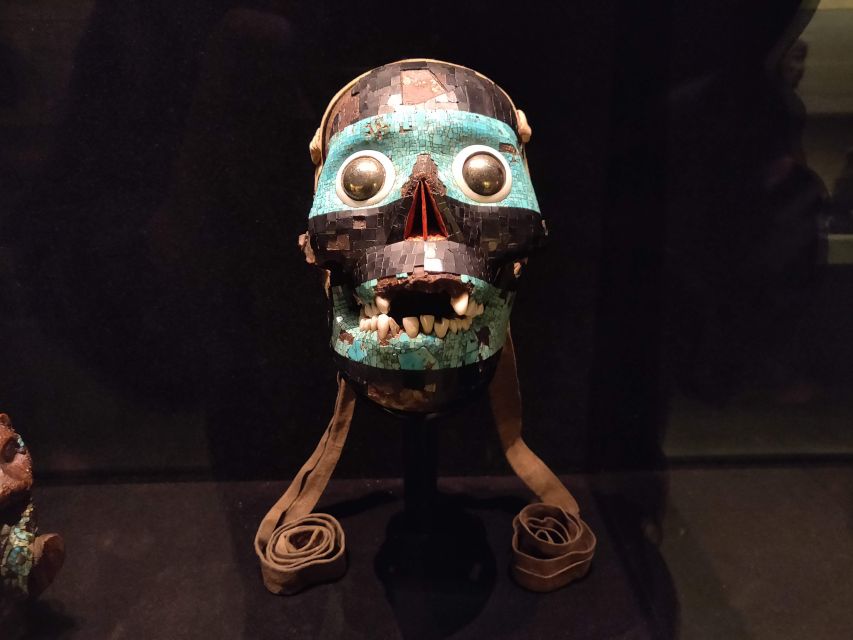
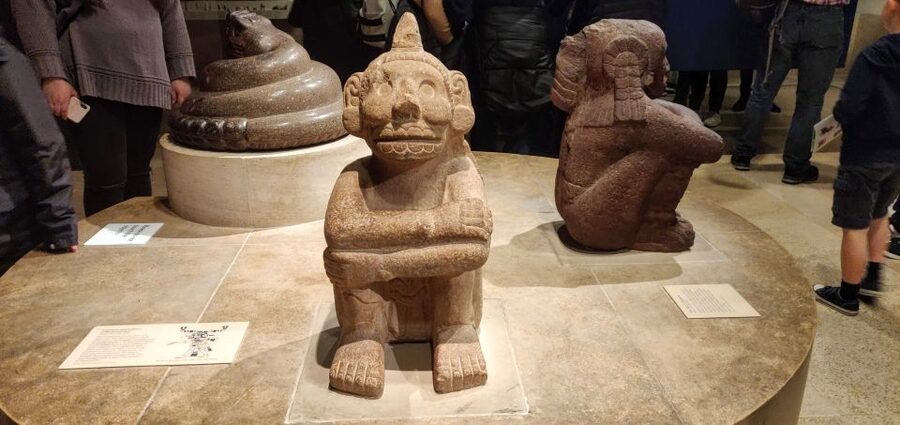
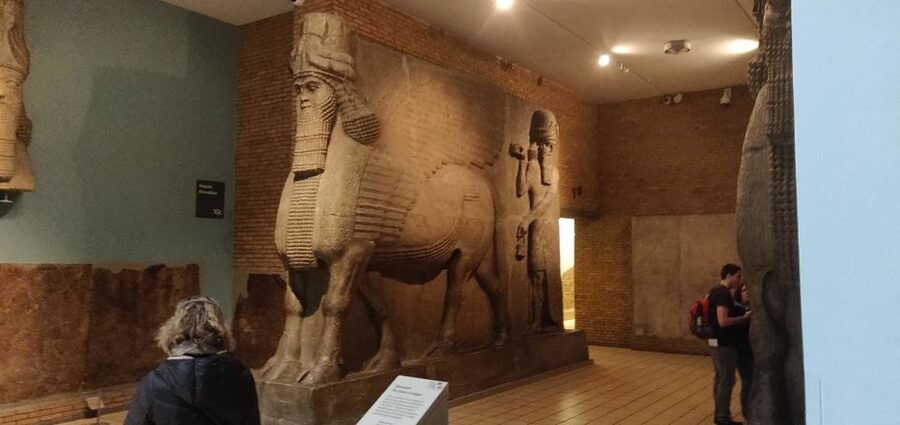
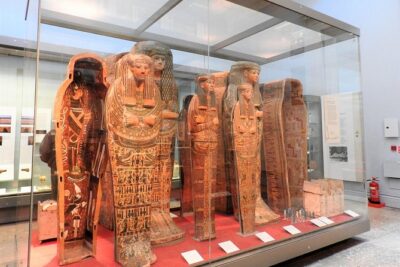
You’ll spend time in key themed areas, including galleries linked to Ancient Egypt and Assyria, Ancient Greece and Rome, plus sections connected to the Vikings and the Aztecs. That mix is useful because it helps you understand the museum as a global view, not only a Europe-and-Egypt circuit.
Expect the guide to connect objects to bigger questions. For example, when you encounter famous artifacts, you also learn what kind of information they can provide. That includes how archaeologists interpret material culture, and why different kinds of objects tell different stories.
What you’ll likely see, and why it matters
The tour specifically references a set of famous items in its route:
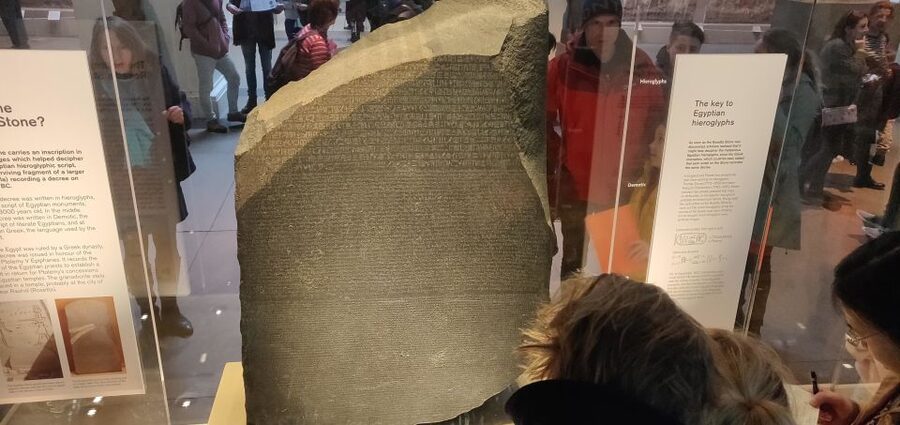
- Rosetta Stone, as an entry point into deciphering language
- Parthenon Marbles, tied to how we read empire and myth through objects
- Sutton Hoo Helmet, as a window into early medieval power and craftsmanship
- Lewis Chessmen, connected to how we interpret everyday culture through rare surviving pieces
If your goal is to see these icons and understand them, you’re in the right place. If your goal is to spend hours studying details on your own, you may still want time afterward for independent wandering.
More museum visits in London:
- Tower of London and Crown Jewels Exhibition Ticket
★ 4.5 · 6,677 reviews - London: Chelsea Football Club Stadium and Museum Tour
★ 4.8 · 4,576 reviews - Chelsea FC Stadium Tours and Museum
★ 5.0 · 1,908 reviews - Official tickets: Moco Modern & Contemporary Art Museum
★ 4.5 · 1,157 reviews
How Ancient Writing Became Readable Again: Hieroglyphs and Cuneiform
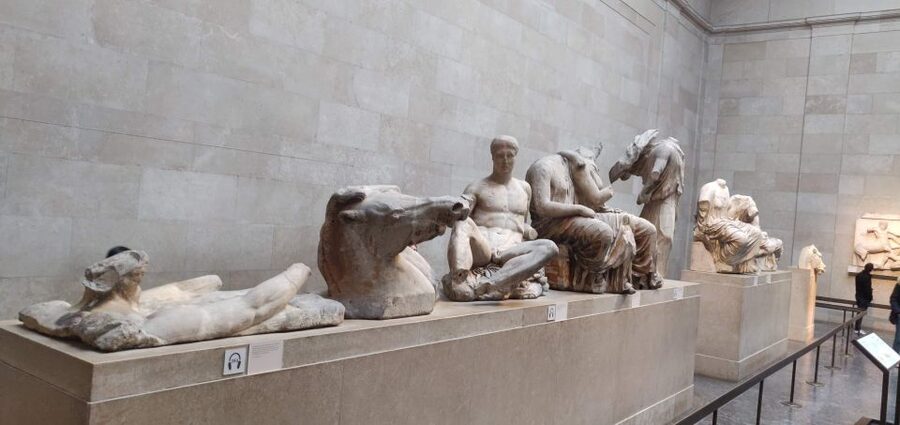
One of the tour’s strongest themes is the idea that ancient objects do not automatically speak your language. To understand them, you need breakthroughs in reading and decoding, then careful cross-checking with other evidence.
You’ll learn how Egyptian hieroglyphs and Sumerian cuneiform were deciphered. The value here is that you see decoding as a real process, not a magic trick. You also get a sense for why writing matters to historians and archaeologists, because it changes what we can verify and how precisely we can reconstruct events.
This section is also a great reset if you usually feel overwhelmed by museum labels. Suddenly the labels make sense, because you understand the steps that turned broken fragments and inscriptions into readable texts.
If you like puzzles and problem-solving, this part is a highlight. Even if you are not a language person, you’ll come away thinking, wait, people actually figured this out piece by piece, and that effort is part of history too.
The Science Behind Archaeology, From Burial to Dating
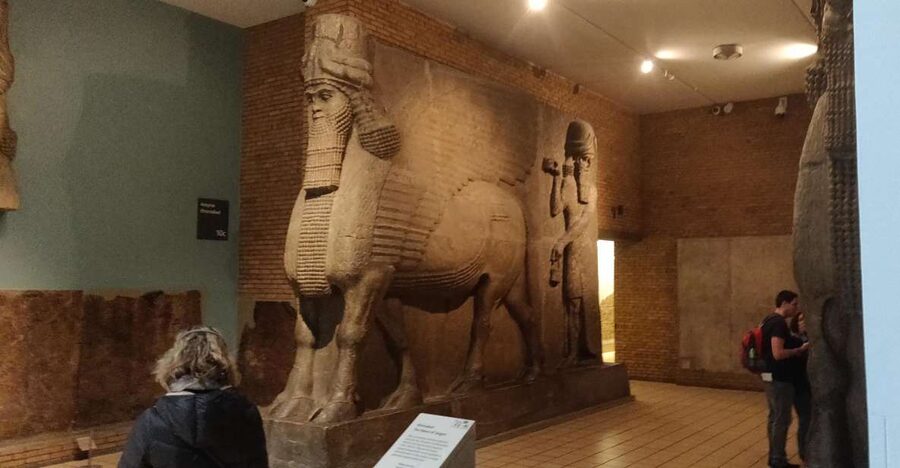
Here’s what I found most useful: you do not just learn what ancient people did, you learn what archaeologists do with the evidence they find. The tour covers how sites get buried, why objects survive in the ground, and the kinds of clues that help researchers build timelines.
You also learn how relics are dated. The phrasing in the tour description points to the methods archaeologists use to estimate age, and how scholars build a case when evidence is incomplete.
This is the kind of knowledge that pays off during the rest of your visit. When you see different materials in the galleries, you start thinking in terms of context and classification. You stop treating the museum like a static display and start treating it like an argument.
Even if you only remember one idea, remember this one: dating is not guesswork. It’s reasoning, based on evidence, and it always has some uncertainty. That shift is a big part of why this tour feels more like a course than a walkthrough.
Royal Game of Ur, Break Time, and Keeping Your Feet Happy
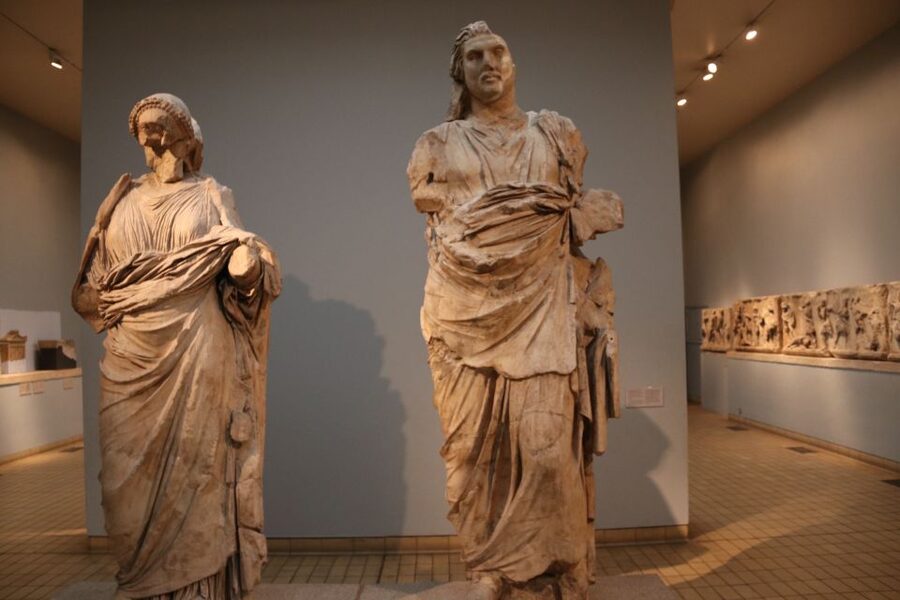
There is a structured break time built into the 5.5-hour plan. Lunch is not included, so you’ll need to decide whether you bring something or use food options inside the museum.
If you want my practical advice, plan for a short lunch window. People who have done this tour mention that there isn’t much time to linger, so bring something you can eat quickly, or pick up a meal where you can sit for a few minutes and get back in the rhythm.
The interactive moment comes with The Royal Game of Ur. You play it as part of the course, and you learn that scholars at the British Museum deciphered the game’s rules. That is a fun change from lecture mode, and it sticks in your memory because you connect a writing problem to a real artifact you can handle through play.
As for comfort, wear comfortable shoes. The museum is large, and even a guided route adds up. Also note the tour doesn’t allow luggage or large bags, so keep your load light.
One small tip if you want to reduce standing fatigue: you may be able to find portable seating options near the entrance area, and some people recommend using them when available. If you need that kind of support, bring it up calmly with the guide during the tour setup.
Price and Value, Is $81 a Good Deal for This Museum Course?
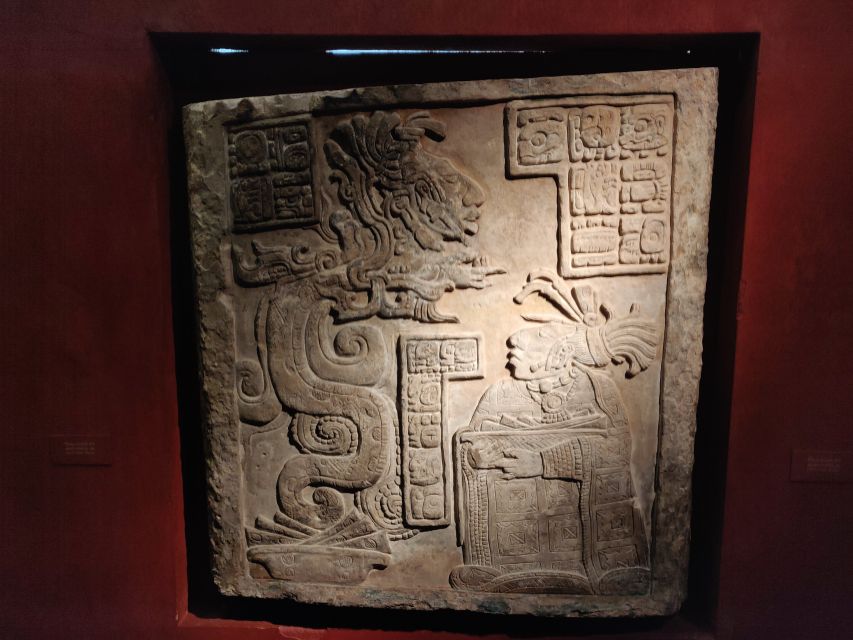
At about $81 per person for 5.5 hours, the pricing makes sense if you’re buying more than entry. You are paying for two things that are hard to replicate on your own: expert interpretation and a guided route that teaches you the reasoning behind what you see.
If you were going to the British Museum anyway, free entrance is included, so you are not paying twice for tickets. Instead, you’re paying for the guide’s ability to connect eras and artifacts into a coherent story, and to explain the methods of archaeology in plain language.
This also becomes good value if you are visiting with kids or teens. A standard self-guided visit can turn into, look at the shiny thing, skip to the next shiny thing. This tour gives you a storyline and a reason to care, which makes the museum feel smaller and more manageable.
On the other hand, if you hate structured tours and you prefer wandering slowly, you might feel boxed in by the route. In that case, you may get more satisfaction pairing a guided course with extra independent time afterward.
Who This Tour Fits Best, and Who Might Feel Restricted
This fits best if you:
- love ancient history and want context, not just names
- want to understand how archaeology works, especially dating and decipherment
- like interactive moments, like the Royal Game of Ur
- are traveling with a teen, because the guide’s delivery is designed to hold attention
It might feel less ideal if you:
- want to spend the whole day on your own in the museum
- need lots of quiet time at every object with no group pacing
- plan to carry bulky luggage, because those are not allowed
Also, if mobility is a concern, the tour is listed as wheelchair accessible and suitable for people with limited mobility. If you have special requirements, you should contact the operator so they can confirm the best setup for your needs.
Practical Planning Tips So You Don’t Waste Minutes on Details
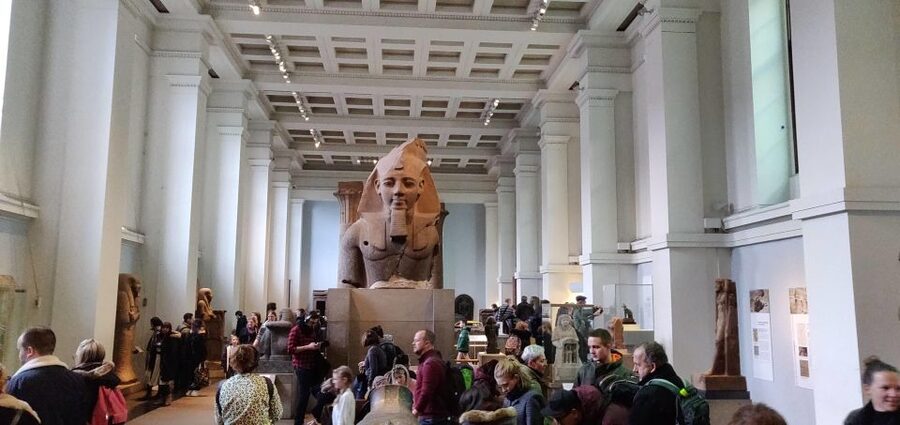
You start at Russell Square Station, and you finish at the British Museum. That means your day is basically built around one main location, which is convenient if you have limited time in London.
Bring comfortable shoes, and plan for a light bag situation since luggage and large bags are not allowed. A day pack tends to be the sensible option based on how people prepare for this kind of museum route.
Arrive about 10 minutes early at the meeting point. The guide uses an iPad with the local partner name, so you’ll want a moment to confirm you are with the right group.
Lunch is not included, so plan your food like a grown-up. Either bring a quick packed option, or set aside time to buy something inside the museum. Either way, assume the break window won’t support a long sit-down meal.
Should You Book This British Museum Archaeology Course?
I think you should book it if you want the British Museum to make sense as an archaeology story. You’ll see major highlights, but the real payoff is learning how writing got deciphered and how archaeology reconstructs the past from what survives.
I would skip it only if your ideal museum day is lots of freedom, slow wandering, and deep solo time at whatever catches your eye. This tour is structured on purpose, so it gives you less choice inside those 5.5 hours, in exchange for strong interpretation.
If you’re on your first or second trip to the British Museum and you want a fast, high-impact way to understand what you’re looking at, this is an easy yes. If you can handle guided pacing and comfortable walking, you’re set.
FAQ
How long is the British Museum archaeology course and guided tour?
The duration is 5.5 hours.
Where do I meet the guide?
Meet outside Russell Square Station. Your guide will be holding an iPad showing the local partner name.
What does the price include?
It includes a qualified archaeologist guide, guided tour, and entrance (free).
Is museum entrance included?
Yes, entrance is included as part of the tour.
Is lunch included?
No, lunch is not included.
Does the tour use a skip-the-line entrance?
Yes, you use a separate entrance for skip-the-line entry.
What language is the tour guide?
The live tour guide speaks English.
What should I bring, and what is not allowed?
Bring comfortable shoes. Luggage or large bags are not allowed.
FAQ
Is the tour wheelchair accessible?
Yes, the tour is listed as wheelchair accessible and suitable for people with limited mobility.
Are there cancellation and flexible payment options?
The activity offers free cancellation up to 24 hours in advance for a full refund, and you can reserve now and pay later.
Recently reviewed around London
- London: Harry Potter Walking Tour with Platform 9 3/4★ 4.6 · 37 reviews
- London: Harry Potter Tour & The London Dungeons Tour★ 3.8 · 28 reviews
- London: Harry Potter Tour, River Cruise & The London Dungeon★ 4.4 · 8 reviews
- London: Harry Potter Walking Tour and River Thames Cruise★ 3.6 · 24 reviews
- London: Harry Potter Tour and London Bridge Tombs Experience★ 3.8 · 4 reviews
- London: Harry Potter Walking Tour and Tower Bridge Ticket★ 4.4 · 7 reviews
- London: Harry Potter Walk, Hop-on Hop-off Bus Tour & Cruise★ 4.1 · 105 reviews
- London: Harry Potter Sights and Shrek’s Adventure Combo Tour★ 4.6 · 3 reviews
British Museum Tours, compared.

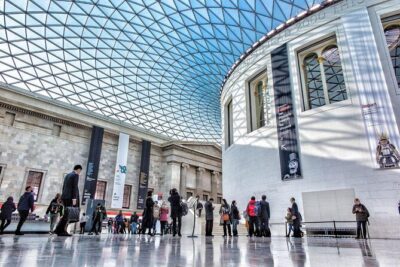
British Museum London Guided Tour Semi-Private 8ppl Max
Read our review →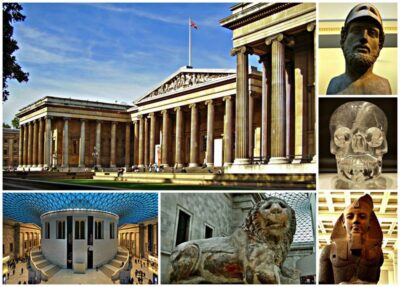

British Museum Audio Tour & Priority Entrance Ticket
Read our review →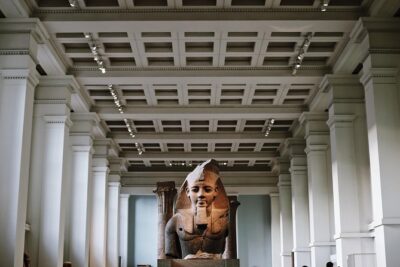
The British Museum London – Exclusive Guided Museum Tour
Read our review →
Browse the lists this tour appears in