
Reviewed · WALKING TOURS
London: Brutalist Architecture & History Walking Tour
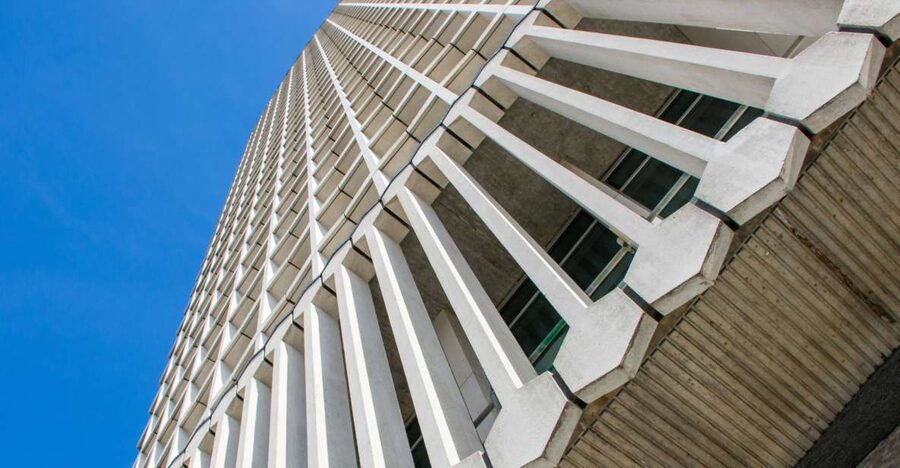
London Brutalism is the kind of architectural story that splits people fast. This tour makes you look twice at the city’s toughest-looking buildings and asks why concrete won, and what all that post-war ambition was really about.
I especially like how the guide, Evan, connects the buildings to social and political context, not just design details. And I like the practical focus on the exteriors, so you can actually enjoy the walk and get great photo angles without worrying about entrances.
One consideration: if you want interior access or a fully “museum-style” experience, this is an exterior-only tour, and at least one guide-footnote might not match your favorite architecture textbook.
Key things you will notice on this London Brutalist tour
- A small group of up to 6 keeps the discussion personal and makes questions easy
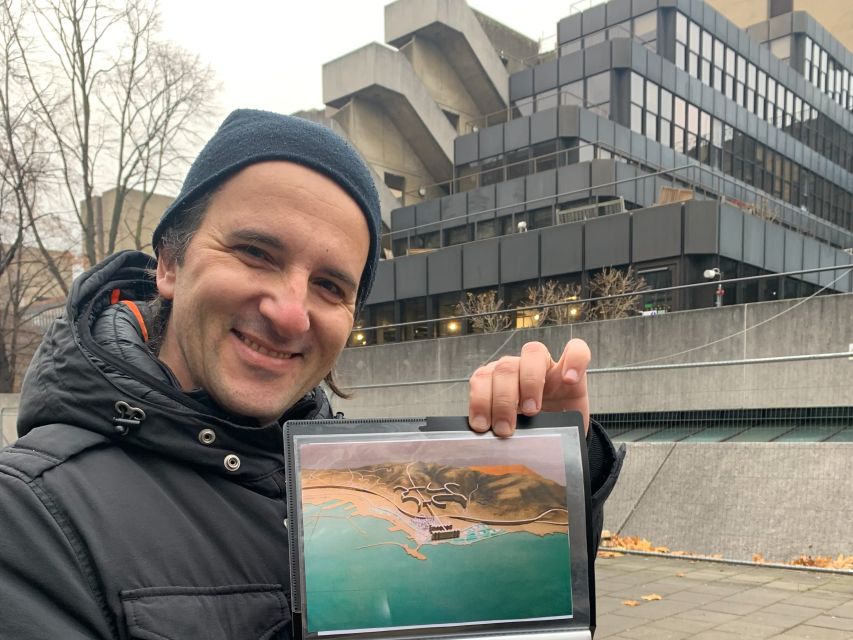
- Evan’s teaching style stays informal, yet details-focused
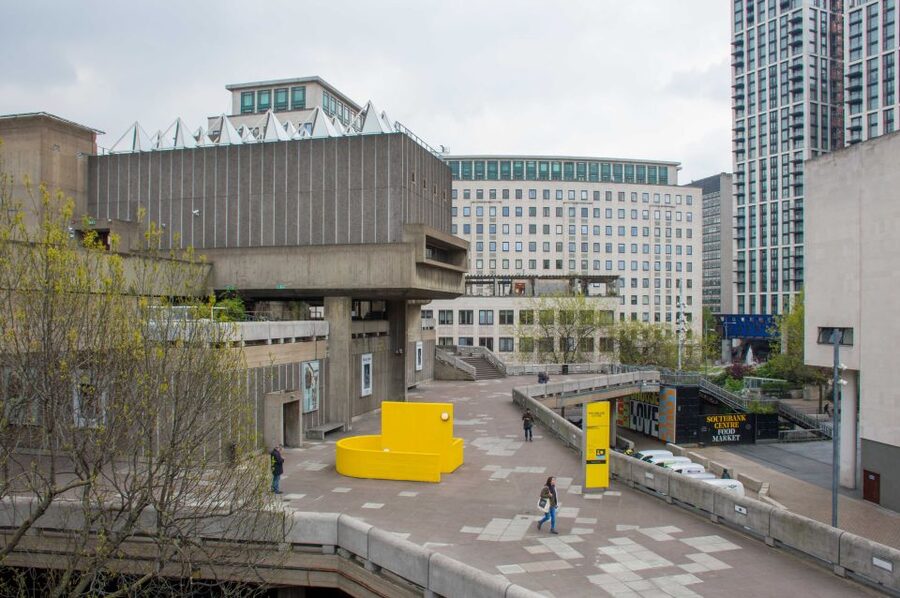
- National Theatre and Institute of Education are major photo stops, all seen from the street
- Concrete and post-war change get explained through global events and London’s rebuilding needs
- A short tube hop in Zone 1 helps you cover central sites efficiently
- No building interiors means the day is about facades, materials, and context, not rooms
Brutalist architecture, concrete, and why London still argues about it
If you’ve ever walked past a brutalist building and felt either thrilled or mildly offended, you’re exactly the right kind of person for this tour. Brutalism can look like an urban fortress, all sharp geometry and raw material honesty. That makes it easy to remember, and it also makes it easy to misunderstand.
What I like is that you are not asked to pick a team right away. You start with what you see, then the guide explains how the style grew out of modernist thinking, engineering possibilities, and the realities of rebuilding. You end up with a clearer sense of why people found it inspiring at the time, and why others still see it as cold or difficult to use.
A second thing you get, if you pay attention, is perspective on the present day. Brutalist buildings in London are still contested spaces, with local authorities, preservation groups, and residents sometimes pulling in different directions about how those structures should be used next.
More walking tours in London:
- Magical London: Harry Potter Guided Walking Tour
★ 4.7 · 22,044 reviews - London: The Original Jack the Ripper Walking Tour
★ 4.7 · 7,833 reviews - Tour for Muggles The Ultimate Harry Potter Walking Tour in London
★ 5.0 · 4,684 reviews
Where the tour starts, what the route covers, and why the small group matters
The meeting point is outside Russell Square Underground Station on the Piccadilly Line. That matters because it makes the start easy to find, and it also places you in central London quickly, with less wasted time than tours that begin in the middle of nowhere.
The tour runs for 2.5 hours, mostly on foot, and it uses the tube once for a short journey. You’ll need a public transport ticket and enough credit for one trip within Zone 1, so plan your Oyster or contactless setup before you meet.
The group is limited to 6 participants, which is a big deal on an architecture walk. You’re not stuck listening to one-way narration while you stand in silence. You can ask questions, and the guide can adapt based on what you already know, which is something that shows up repeatedly in strong guest feedback.
What you actually learn: concrete as engineering, not just a style
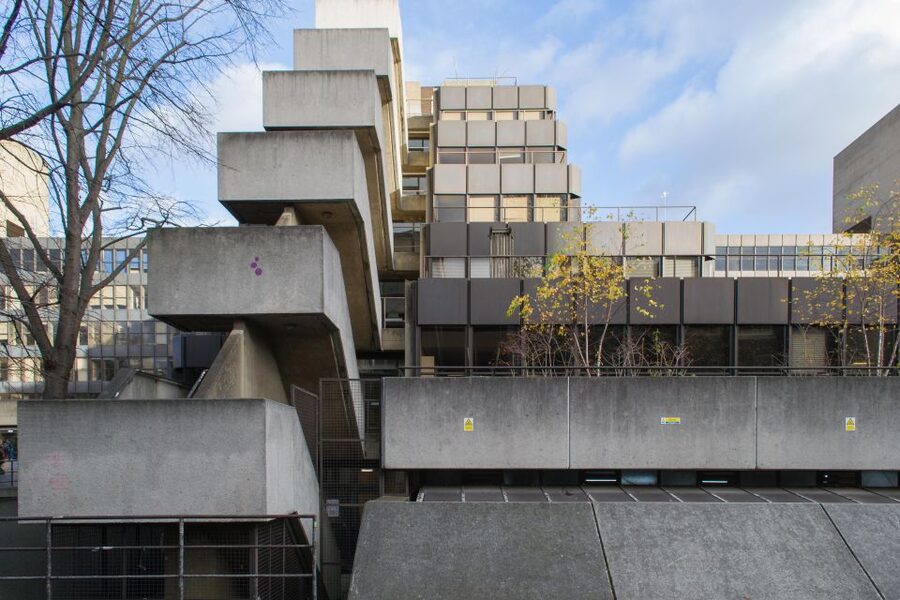
This tour treats brutalism as more than a visual look. It frames concrete as a practical, modern material that changed what architects thought was possible. When you understand that, the buildings stop being random lumps of gray mass and start feeling like engineered decisions.
You also get the story of how post-war architecture pushed toward modernist monuments. The tour talks about the cultural and social impacts of that shift, and it doesn’t ignore the environmental angle either. Even when you disagree with the style, it helps to know the logic behind it.
A key theme is how global events influenced London’s post-war architecture. The guide connects outside forces to inside decisions, like the need for new public buildings and the changing expectations of how cities should function. It’s the kind of explanation that makes the architecture feel less like trend and more like response.
Stop highlights: National Theatre, Institute of Education, and other street-level photos
The headline stops are major brutalist icons you’ll recognize on sight. One is the National Theatre, which is exactly the kind of building people love to photograph because of its bold form and dramatic silhouette. From the street, you get the chance to see how the massing works, and why the structure feels confident even when you personally don’t prefer the look.
Another standout is the Institute of Education, a brutalist example that makes a great case study for material and proportion. Instead of just saying it is brutalist, the guide helps you look for the design logic that holds the exterior together: how surfaces are treated, how openings sit in the mass, and how the building communicates purpose even when it looks severe.
There’s also room for other notable brutalist landmarks in central neighborhoods. One advantage of a guide-led walking route is that you get interpretive context right where you need it. You’re not left to guess why a particular façade feels like an urban “statement” building, or why it has attracted preservation attention.
Photo tip, plain and simple: wear shoes you trust. You’ll likely spend more time positioning yourself for angles than you expect, because brutalism rewards side views and not just straight-on shots.
More history tours in London:
- London Small Group Tour of Historical Pubs
★ 5.0 · 10,422 reviews - Soho Music & Historic Pubs Tour
★ 5.0 · 1,993 reviews - London: Historic Pubs of Central London Walking Tour
★ 4.9 · 1,065 reviews - London: Soho Music and Historic Pubs Walking Tour
★ 4.9 · 836 reviews
How London’s post-war ambitions shape what you see today
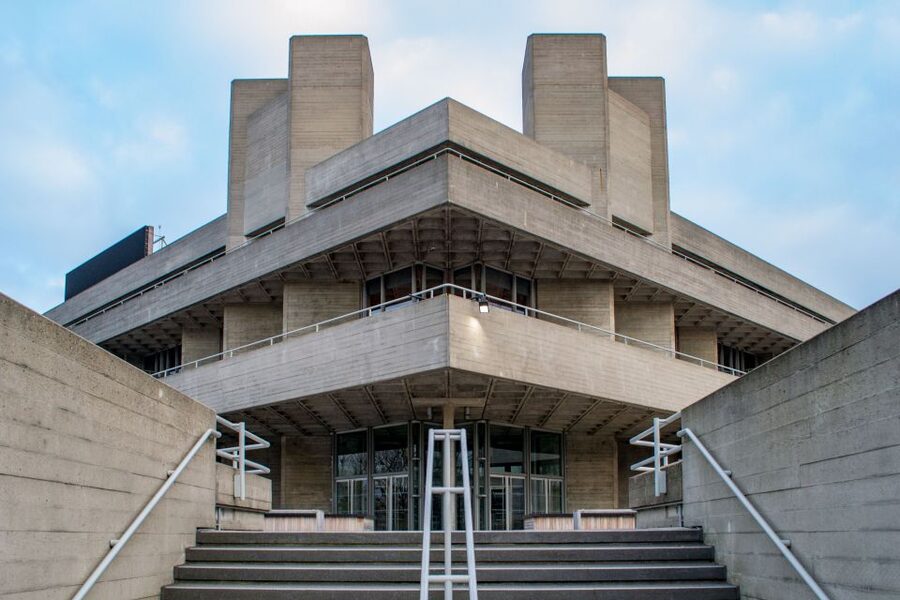
One of the most useful parts of this tour is the way it connects the past to the present. You learn about the forces that propelled modernist monumental architecture, but you also hear about the ongoing struggle over what should happen next to these distinctive buildings.
This is not just trivia. It changes how you interpret everything. If you learn why the buildings were built when they were, you can better understand why they were controversial. And if you learn why they’re still debated, you can look at the exterior like a living argument, not a finished design.
You will get a sense of the tradeoffs that come with using concrete-heavy buildings. They can be visually intense, sometimes hard to adapt, and they demand long-term planning to stay functional. The tour points out how local authorities, preservation societies, and residents weigh in on future use, which helps you understand why “heritage” does not automatically mean “easy to manage.”
Interiors are skipped on purpose, so plan for an outdoor architecture day
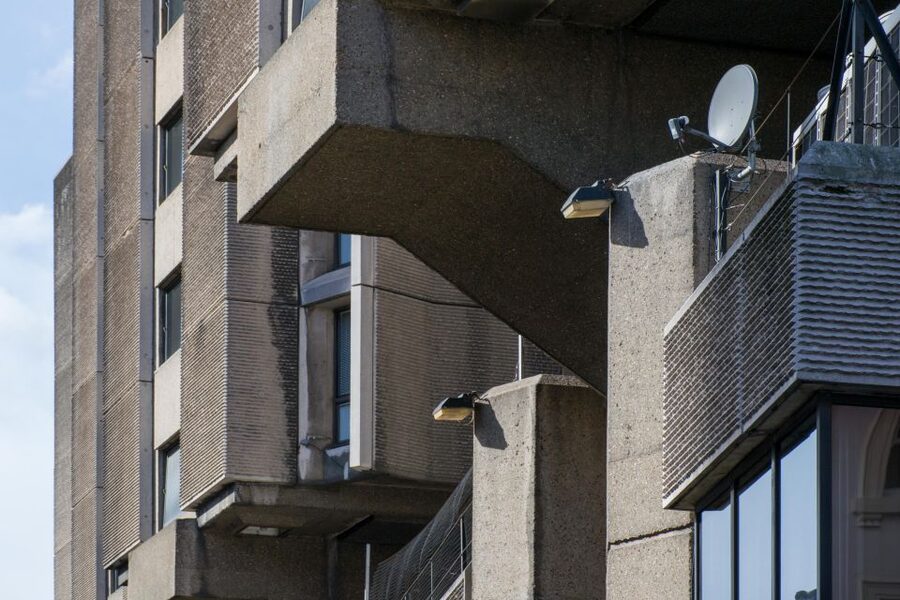
The tour does not visit building interiors. That means your “museum lesson” happens outside, through observation and explanation, not through guided entry into lobbies or lecture halls.
This can actually be a plus. Brutalist buildings are often most powerful from the street, where you can see massing, entrances, and surrounding urban context. It also keeps the tour moving, which matters with a 2.5-hour time window.
The downside is also clear: if you love architecture because of the interiors, or if you want to see staircases, halls, or original finishes, you’ll miss that part. You can still enjoy the exterior story, but match your expectations to the format.
Evan’s guide style: enthusiastic, adaptable, and very worth the money
Evan is the name that shows up again and again in the best feedback. Guests describe a high-energy but friendly approach, with lots of detail and a clear love of the built environment.
What I find especially valuable is how the guide can adjust to different knowledge levels. Some people come knowing brutalism and modernism already. Others show up with curiosity but not a ton of vocabulary. The strongest responses mention that Evan adapts, rather than forcing everyone to follow the same lecture pace.
You also get the feeling that the guide could have leaned harder into pure opinion, but chooses instead to ground impressions in reasons. That is where the tour earns its credibility. It stays informal, but it does not stay shallow.
A fair note: one attendee flagged a couple of historical accuracy issues in the discussion of specific claims. That doesn’t erase the overall quality, but it is a good reminder that you should treat a tour guide as a storyteller, not a peer-reviewed journal. If you’re a hardcore researcher, bring your own checking skills.
Price and value: is $47 for a 2.5-hour brutalism walk a good deal?
At $47 per person for 2.5 hours, this is priced like a focused specialty walking tour, not a generic city overview. The value comes from a few practical factors.
First, you get a live guide and a small group capped at 6. In other words, you’re paying for time with a person who can explain what you’re seeing. Second, the tour concentrates on some of London’s most recognizable brutalist examples, including the National Theatre and the Institute of Education, and you see them in a context that connects architecture to history.
Third, there’s a strong “learning per minute” feeling. Brutalism is hard to interpret at a glance, so a guide helps you understand what to look for while the buildings are right in front of you.
Your extra cost is minimal, mainly the tube trip and public transport ticket, which is not included. But overall, the format is efficient, and the group size helps it feel like more than just a stroll.
Who should book this London Brutalist Architecture and History tour

This is a great fit if you:
- Love modern design, engineering, or the way materials shape buildings
- Want a smarter way to see central London than just chasing landmarks
- Enjoy debate, because brutalism is the kind of architecture people argue about for a reason
- Like your history connected to what still exists in the city
It is not a fit if you:
- Need interior visits, since buildings are viewed from the outside only
- Need step-free routes or mobility support, because it is not suitable for people with mobility impairments
- Are traveling with children under 16, since the tour is not suitable for them
Should you book this London Brutalist tour?
Book it if you want an outside-only, high-context walk through London’s most iconic brutalist buildings, with a guide who can explain why concrete monuments happened and why they still spark arguments. You’ll get street-level photo moments, clear material and history context, and a small-group feel that makes it easy to ask questions.
Skip it if you’re primarily interested in interiors or if you need an academic-only, citation-heavy format. Also, if you’re sensitive to uncomfortable weather conditions, keep in mind the tour can be postponed or canceled when conditions are unfavorable.
If your goal is to see Central London with better architectural instincts, this tour is a strong choice.
FAQ
Where does the London Brutalist Architecture & History Walking Tour start?
It meets outside Russell Square Underground Station on the Piccadilly Line.
How long is the tour?
The tour lasts 2.5 hours.
How much does the tour cost?
The price is $47 per person.
Is the tour guided, and what language is it in?
Yes, there is a live tour guide, and the tour is in English.
How big is the group?
The group is small, limited to 6 participants.
Do I need to use public transportation during the tour?
Yes. The tour uses the tube once for a short journey, and you should have enough credit for one trip within Zone 1.
Are building interiors visited?
No. The interiors of buildings are not visited.
What should I bring?
Bring a public transport ticket.
Is the tour suitable for children or people with mobility impairments?
No. It is not suitable for children under 16, and it is not suitable for people with mobility impairments.
What happens if the weather is bad?
The walk may be postponed or canceled if weather conditions are unfavorable.
Recently reviewed around London
- London: Harry Potter Walking Tour with Platform 9 3/4★ 4.6 · 37 reviews
- London: Harry Potter Tour & The London Dungeons Tour★ 3.8 · 28 reviews
- London: Harry Potter Tour, River Cruise & The London Dungeon★ 4.4 · 8 reviews
- London: Harry Potter Walking Tour and River Thames Cruise★ 3.6 · 24 reviews
- London: Harry Potter Tour and London Bridge Tombs Experience★ 3.8 · 4 reviews
- London: Harry Potter Walking Tour and Tower Bridge Ticket★ 4.4 · 7 reviews
- London: Harry Potter Walk, Hop-on Hop-off Bus Tour & Cruise★ 4.1 · 105 reviews
- London: Harry Potter Sights and Shrek’s Adventure Combo Tour★ 4.6 · 3 reviews
Walking Tours, compared.

Magical London: Harry Potter Guided Walking Tour
Read our review →
Oxford University Walking Tour With University Alumni Guide
Read our review →
Tour for Muggles The Ultimate Harry Potter Walking Tour in London
Read our review →
Oxford: University and City Walking Tour with Alumni Guide
Read our review →
Harry Potter Movies Walking Tour (Kids Go Free)
Read our review →
Cambridge University Walking Tour by Alumni™ Kings College Option
Read our review →Browse the lists this tour appears in