

Reviewed · BATH DAY TRIPS
Bath: City Walking Tour with Optional Roman Baths Entry
Bath is interesting because it packs three eras into one walkable loop. You get the Roman Baths and their hot-spring story, then you move straight into the city’s famous Georgian showpieces.
I especially like the way the tour uses big visual hits to teach you how Bath grew. Bath Abbey sets the tone, and stops like Pulteney Bridge help you understand why this town is so often staged on film and in pop culture.
One possible drawback is that the Roman Baths stop is optional. If you add entry, plan for the reality of a popular site, including crowding inside the complex at busier times.
Key things I’d pencil in first
- Bath Abbey, a standout example of perpendicular gothic architecture you can actually see and compare block by block
- Roman Baths entry add-on focused on the hot geothermal springs and the Roman legacy you can spot on site
- Pulteney Bridge with Palladian design, made even more famous through its Les Miserables connection
- Royal Crescent’s 30 Grade-1 listed houses and the way symmetry shapes your photo and your sense of scale
- The Circus, Bath’s 18th-century architectural “stage set” of social life and status
- Guide-led storytelling from names like Tom, George, Jamie, Ewan, and John, often marked by humour and easy explanations
Bath Abbey and Georgian Bath in 2 hours, why this route works
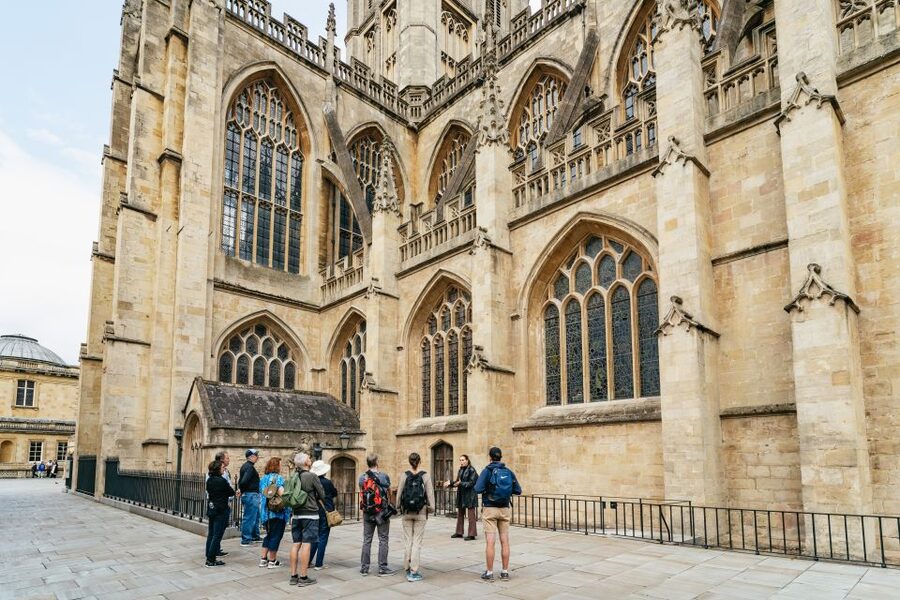
If you only have a short time in Bath, this kind of tour is a smart move. Bath is gorgeous, but it can also feel like a “pretty buildings” blur if you do it on your own. A good guide gives you a thread, so you understand why each place looks the way it does.
The other reason I like this format is practical. You start in the city center, you walk to the Roman layer of Bath, then you finish in the Georgian heart where the architecture does most of the talking. That order matters, because it turns what you’re seeing into a story of change.
Finally, the tour is designed to show the major hits without turning your day into a spreadsheet. It’s listed as 1.5 to 2 hours, which fits well if Bath Abbey is your first stop in town.
More Bath day trips:
- Walking Tour of Bath with Blue Badge Tourist Guide
★ 5.0 · 1,877 reviews - Bath: Guided Walking Tour
★ 4.9 · 1,198 reviews - Bath: Guided Ghost Tour
★ 4.8 · 1,036 reviews
Starting at Bath Abbey, why perpendicular gothic feels so dramatic
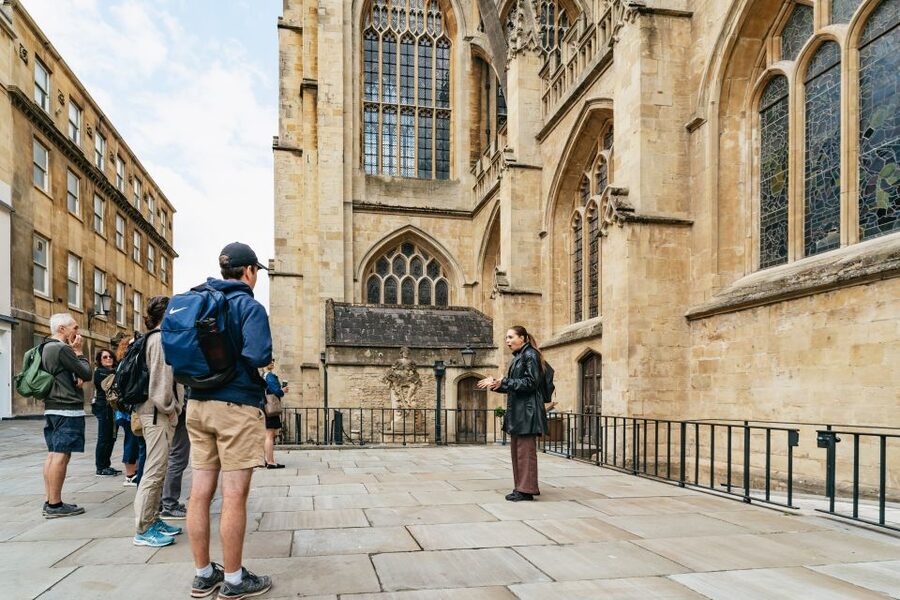
Your tour kicks off at Bath Abbey, in the city center. The big draw here is architectural: Bath Abbey is considered one of the country’s best examples of perpendicular gothic design. That term can sound abstract, but on site it’s all about vertical lines, strong detailing, and that sense of height.
Here’s what you can look for as you stand there with your guide. Watch how the stonework breaks up the facade, and how the overall shape keeps pulling your eyes upward. Your guide should help you connect those design choices to why this style showed up, especially as churches became symbols of civic pride.
There’s also a small but meaningful detail: the tour includes a donation to Bath Abbey. It’s the kind of “I did one respectful thing today” inclusion that doesn’t slow you down.
A quick practical note: Bath Abbey is a great start point because it’s the anchor for many later views. Once you’ve seen the Abbey’s style up close, the walk through Bath’s other standout architecture feels clearer.
The Roman Baths add-on, hot springs and what you actually get to see
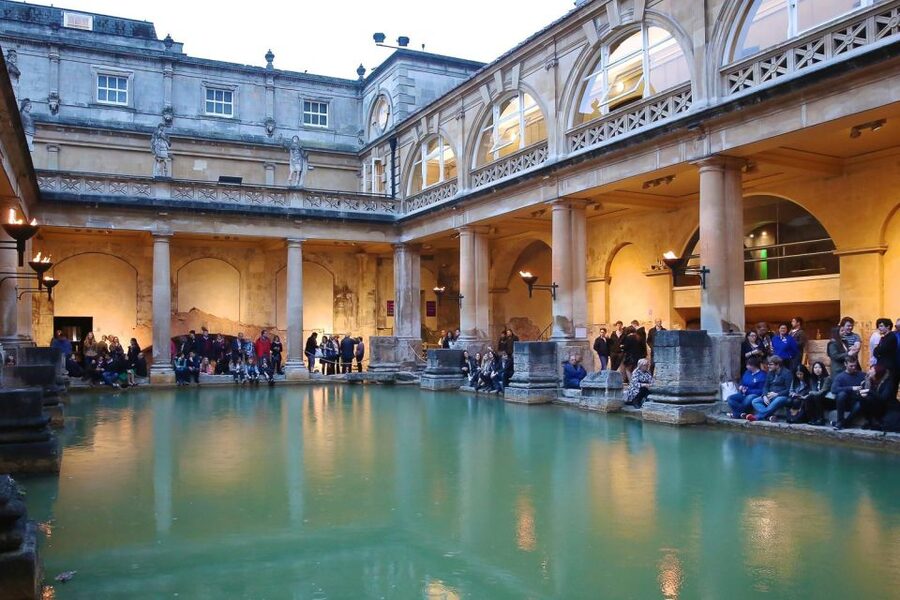
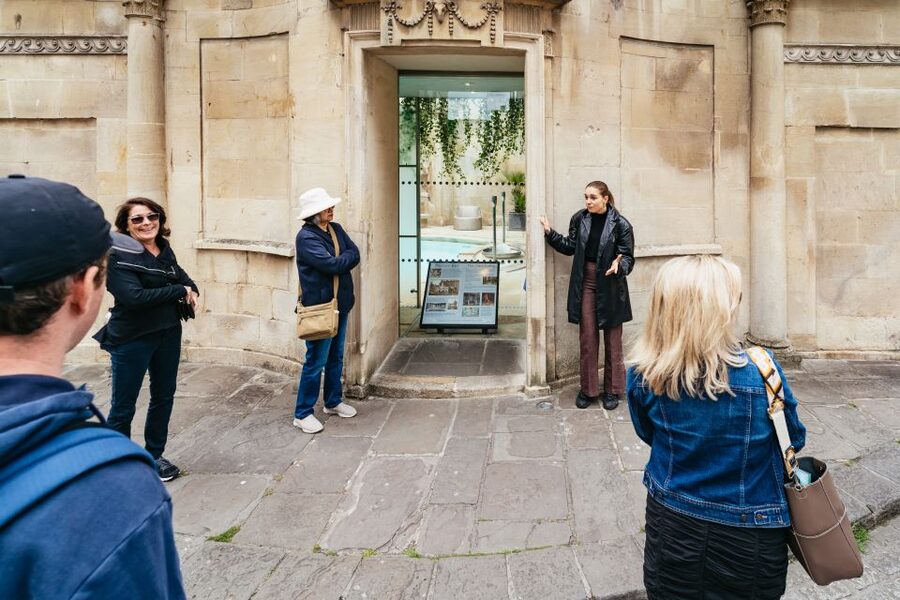
After the Abbey area, you head to the Roman Baths (entry is included only if you select the option). This is where Bath’s identity stops being only “beautiful buildings” and turns into water, engineering, and ritual.
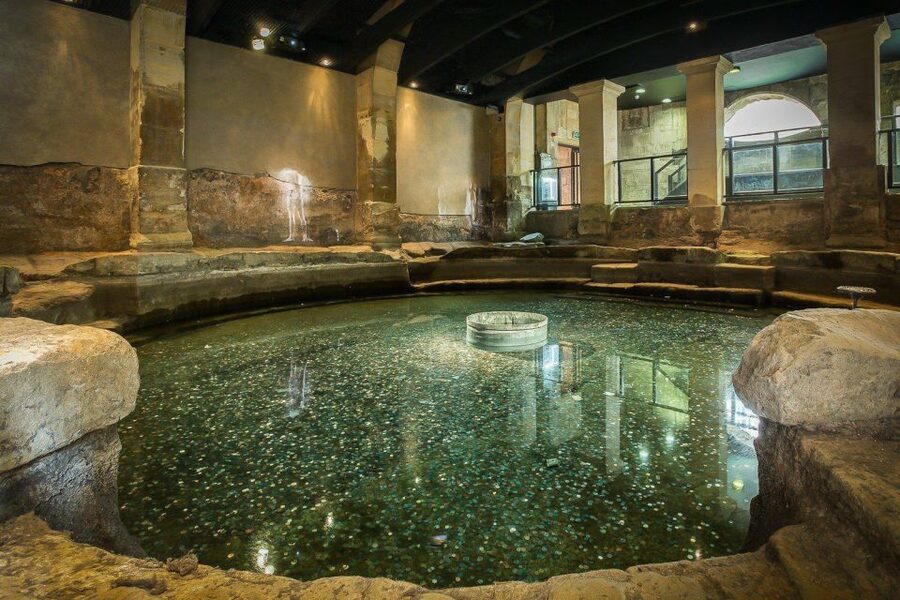
The tour focus is on the hot geothermal springs and the Roman legacy left behind. On site, you’ll be surrounded by the remains and the interpretive items that explain how the Romans treated the baths, not just as public health, but as a place with meaning.
What I like about this approach is that your walk guide sets you up before you go in. Even if you’re not a Roman-history person, you still benefit from hearing what to look for while the experience is still fresh.
Two timing tips if you choose entry:
First, don’t assume the whole experience is only 1.5 to 2 hours. The walking portion may be that length, but you’ll want extra time once you’re inside the Roman Baths. If your day is tight, build in a buffer.
Second, expect crowds sometimes. One of the best things about having a ticket through a guided experience is that access can feel smoother than lining up at random. Still, the Roman Baths are a popular draw, and inside you may find yourself working around bottlenecks.
Pulteney Bridge and the Palladian look from Les Miserables
Once you’re back out in the street, you’ll hit Pulteney Bridge, famous for its Palladian design. Even if you know Bath mainly from its postcards, this bridge can surprise you because it looks designed for drama, not just function.
The tour highlight notes a pop-culture connection: Pulteney Bridge appears as part of the Les Miserables association. Whether or not you care about that fact, it helps explain why people stop in the middle of the walk for photos. The bridge is symmetrical, balanced, and built to be looked at from multiple angles.
Here’s how to get more out of this stop. Pause, take one moment to frame the bridge line, then let your guide point out how Bath’s Georgian aesthetics play with perspective. It’s also a good “reset” moment after the Roman Baths, because the mood shifts from ancient water to elegant urban design.
This is also a good place to ask questions, because it’s an outdoor view with plenty of landmarks. If your guide is someone like Jamie or George, they tend to keep the energy up here, with quick context you can carry into the next stops.
More walking tours in Bath:
- Roman Baths and Bath City Walking Tour
★ 4.5 · 762 reviews - Best of Bath Walking Tours – Georgian Tour
★ 5.0 · 449 reviews - Bath: Bridgerton Filming Locations Walking Tour with Music
★ 4.7 · 416 reviews - Bad of Bath fun Walking Tour of Bath
★ 5.0 · 402 reviews
Royal Crescent, 30 Grade-1 houses and how symmetry sells status

The tour then spends time on Royal Crescent, one of Bath’s best-known Georgian landmarks. The standout detail is the scale and legal protection: it features 30 Grade-1 listed houses. That’s not just a trivia fact. It signals how carefully the city has guarded this specific design language.
Your guide should help you see the Crescent as more than a photo location. Look at the rhythm of the facade, the way the arc curves around the open space, and how the design creates a sense of unified wealth. Bath’s Georgian elegance was built to impress, and Royal Crescent is where that idea becomes obvious.
Another reason I think Royal Crescent is worth prioritizing on this tour is that it’s a “finish line” feeling. When you arrive after earlier stops, the Crescent reads like the payoff. You understand the city’s architectural shift from spiritual or Roman uses toward social display and leisure.
Also, if you’re planning your own free time after the tour, Royal Crescent is the sort of place you’ll want to revisit. Even if you only catch it once today, it’s enough to make the rest of Bath’s streets click into place.
The Circus, Bath’s social architecture in a horseshoe
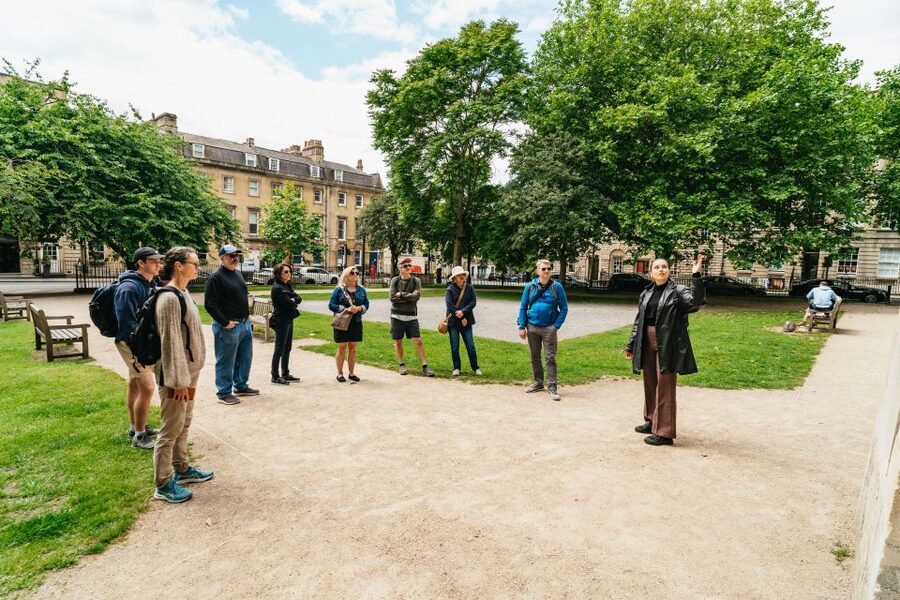
Next up is the Circus, another centerpiece of Bath’s 18th-century Georgian vision. The nickname for places like this is usually about shape, and that’s true here too. But the point of the stop goes beyond “horseshoe street for cool photos.”
The Circus is about how architecture choreographs movement and social life. You stand within a designed rhythm of facades that makes the street feel like a stage. Your guide should connect that feeling to why Georgian Bath was built around public gathering spaces and visible status.
I like this stop because it balances what you saw at Royal Crescent. Royal Crescent is one long arc. The Circus gives you a different kind of symmetry, more contained and more theatrical. Seeing both back-to-back helps you learn the “grammar” of Georgian Bath instead of memorizing two monuments.
If your guide is someone like Ewan or John, this part often comes with quick, human stories about how the city functioned. That’s when the architecture becomes less intimidating and more understandable.
Pump Rooms to Upper Assembly Rooms, how Bath turned bathing into a ritual

The route also includes the area around the Pump Rooms and the walk through to the Upper Assembly Rooms. This matters because it explains what Georgian Bath turned the Roman hot-spring idea into. Bath becomes not just a healing destination, but a place to be seen, meet, and spend.
The tour description points you from the central Pump Rooms to the Upper Assembly Rooms, then onward toward Royal Crescent and the Circus. That sequence helps you connect the dots between water, leisure, and the built spaces created for public life.
Even if you don’t go inside every room today, just seeing these exterior spaces with guidance can change how you read the city. You stop thinking of Bath as “a pretty background” and start seeing it as a designed social system.
One small practical consideration: if you’re sensitive to crowds, assembly-room areas can feel busier when you hit peak visitor times. This is another reason the guide’s pacing is worth paying for.
Walking time, steps, and how to plan your day around a short tour
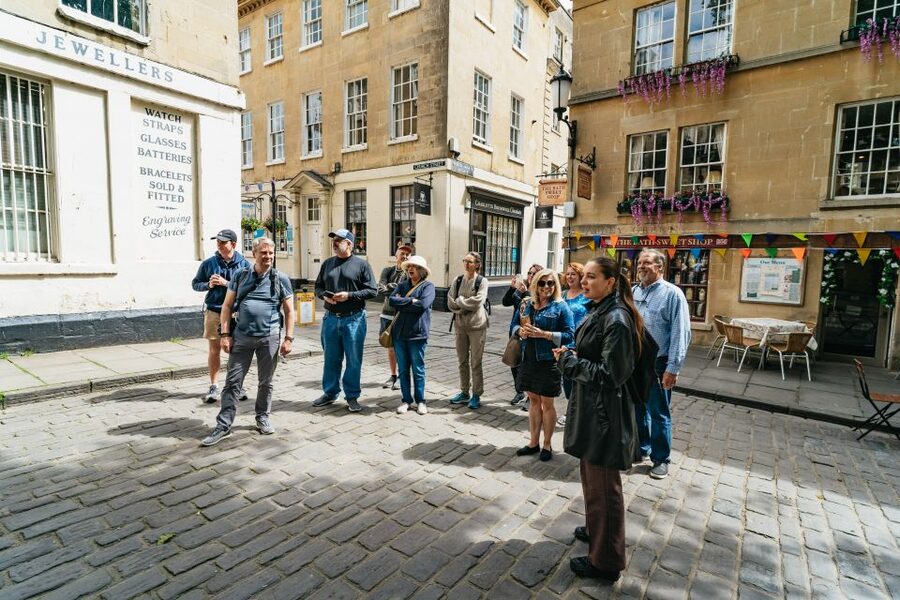
This activity is 1.5 to 2 hours, and that timing is one of its best selling points. It’s short enough to fit into a half-day plan, but long enough for your guide to connect the Roman and Georgian eras in a way that feels coherent.
I’d plan for a real walking experience. You’ll cover multiple major sights, and Bath is known for small hills and shifts in elevation in parts of the center. One visitor specifically noted that there’s an uphill moment near the end, so wear shoes you trust.
Weather matters in the UK, especially when your tour is outdoors for a lot of the route. Bring a light waterproof layer, and keep your phone protected for photo stops on bridges and crescents.
If you want the day to run smoothly, I suggest this approach:
Do the walking tour earlier rather than later so you get your bearings fast. Then let the tour inform what you choose next, whether that’s a deeper look at the Roman Baths, more time around Royal Crescent, or extra photos along the river-side views.
Price and value, what you’re really paying for
The price is listed as $26 per person. On paper, that seems simple. In real use, you’re paying for three things: a local guide to connect visuals into meaning, a route that hits Bath’s biggest architectural anchors, and (if you choose it) Roman Baths entry included with the option.
If Roman Baths are high on your list, selecting the optional entry can be the best value choice. You get guided context on the Roman layer, then you go in with your head already full of what you’re looking at.
If Roman Baths are less of a priority, you still get a strong architecture-focused walk. Bath Abbey, Pulteney Bridge, Royal Crescent, and the Circus alone are plenty to justify a short guided session, especially if you’re trying to avoid decision fatigue.
One more value point: the guides seem to focus on keeping questions welcome and making the group feel included. People also mention small-group dynamics sometimes, which often means better interaction than larger tour formats.
Who should book this Bath walking tour, and who might want to skip
I think this tour fits best if you want a fast, well-paced introduction to Bath’s “greatest hits.” It’s ideal for first-timers, for couples, and for anyone who likes architecture but doesn’t want to spend an entire day reading guidebooks.
It also works well for families. The tour is described as accessible for visitors of all ages, and multiple guide comments emphasize humour and clarity, which usually land well with mixed ages.
You might want to skip or adjust if you have very limited mobility. This is a walking route with multiple stops, plus you may encounter some steps and an uphill stretch near the end. If that’s your situation, check with the operator first about which exact route is used on your date and whether a private group can be adjusted.
Should you book this Bath Abbey and optional Roman Baths tour?
Yes, I’d book it if you’re aiming for maximum Bath in minimal time. The big reason is the structure: Abbey first for the medieval anchor, Roman Baths for the water story, then Georgian Bath where the city’s design language becomes the star.
Choose the optional Roman Baths entry if you want the full arc, Roman to Georgian, without guessing what you’re looking at once you’re inside. If you skip entry, you still come away with a strong visual understanding of Royal Crescent, the Circus, and the Palladian lines of Pulteney Bridge.
One last practical rule: arrive with comfortable shoes and a bit of flexibility in your schedule. Bath can be busy, and the Roman Baths add-on especially rewards time buffers.
FAQ
How long is the Bath city walking tour?
The duration is listed as 1.5 to 2 hours. Starting times vary, so you’ll want to check availability.
Where do we meet for the tour?
The meeting point may vary depending on the option booked.
Is entry to the Roman Baths included?
Entry to the Roman Baths is included if you select the option. If you do not select it, the tour does not include Roman Baths entry.
What’s included in the tour price?
Included are the walking tour of Bath, a guide, and a donation to Bath Abbey. Roman Baths entry is included only if the option is selected.
Are the tours guided in English?
Yes. The live tour guide is English.
Can I book a private group?
Yes. Private group availability is offered.
What is the cancellation policy?
This activity is non-refundable.
How do I judge whether it’s good?
It has a rating of 4.7 based on 1401 reviews.
Recently reviewed around Bath
- Bath: Local Pubs & Historic Sights Walking Tour (3h)★ 4.9 · 29 reviews
- Full-Day Stonehenge and Bath Tour★ 4.4 · 39 reviews
- From Bath: Salisbury and the Jurassic Coast Small Group Tour★ 5.0 · 4 reviews
- From Bath: Private Tour to Serene Cotswolds with Pickup★ 5.0 · 3 reviews
- From Bath: Private Stonehenge and Salisbury Tour with Pickup★ 5.0 · 3 reviews
- From Bath: Cotswolds Private Day Tour with Pickup★ 4.9 · 17 reviews
- From Bath: Cotswolds and Oxford Full-Day Tour★ 4.7 · 172 reviews
- City of Bath: British Wine and Cheese Tasting Experience★ 4.9 · 21 reviews
Bath Day Trips, compared.

Stonehenge, Windsor Castle, and Bath from London
Read our review →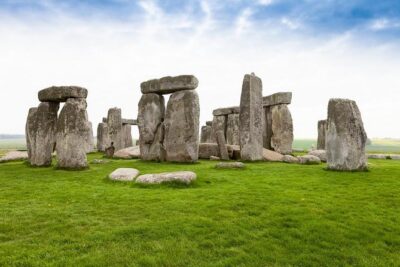
Stonehenge, Windsor Castle and Bath with Pub Lunch in Lacock
Read our review →
Stonehenge, Windsor Castle and Bath Full Day Guided Tour
Read our review →
Windsor, Stonehenge, Bath, and Roman Baths Day Trip
Read our review →

Windsor Castle, Stonehenge & Bath Full-Day Tour
Read our review →
Windsor, Stonehenge and Bath Day Trip from London Spanish
Read our review →
Browse the lists this tour appears in