
Reviewed · BRIGHTON & SEVEN SISTERS DAY TRIPS
Brighton: Piers & Queers LGBTQ History Tour
Brighton has always been good at mixing big public life with private bravery, and this LGBTQ history walk turns the sea front and the old Lanes into a readable timeline. I like that it is guided by a professional Blue Badge tour guide, so you are not just hearing stories, you are getting solid context with every turn.
Two things I really enjoy about this tour are the variety of eras and the range of people included. You move through Regency-era worlds, 1950s lesbian and gay life, political activism, and references to figures like Anne Lister, Lord Byron, Oscar Wilde, and Dusty Springfield, plus lesser-known pioneers who deserve attention.
One drawback to consider: it is only 1.5 hours, so the pacing is purposeful. That is great for seeing a lot without dragging, but if you want to linger at every stop for ages, you may wish you had a longer walk afterward.
Key Things to Know Before You Go
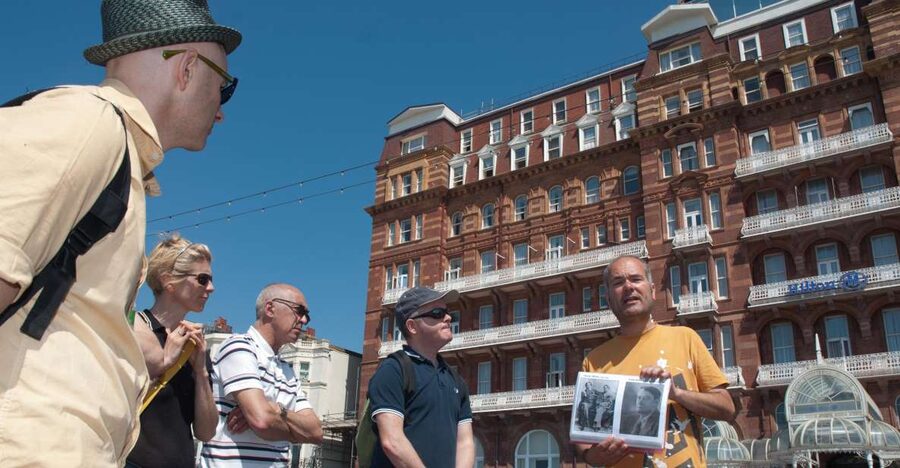
- A 1.5-hour route built for momentum: seafront to old Lanes, finishing in Kemptown.
- Blue Badge guidance: the tour is led by a qualified, professional guide.
- Over 200 years of queer stories: from Regency days through activism and the early 20th century.
- Famous names plus unsung heroes: you get both the well-known and the overlooked.
- Small group, max 12: you can ask questions and still keep moving.
- Ric leads the walk: his style is easy to follow, friendly, and question-friendly.
Meeting at Regency Square, Then Trading Views for Real Stories
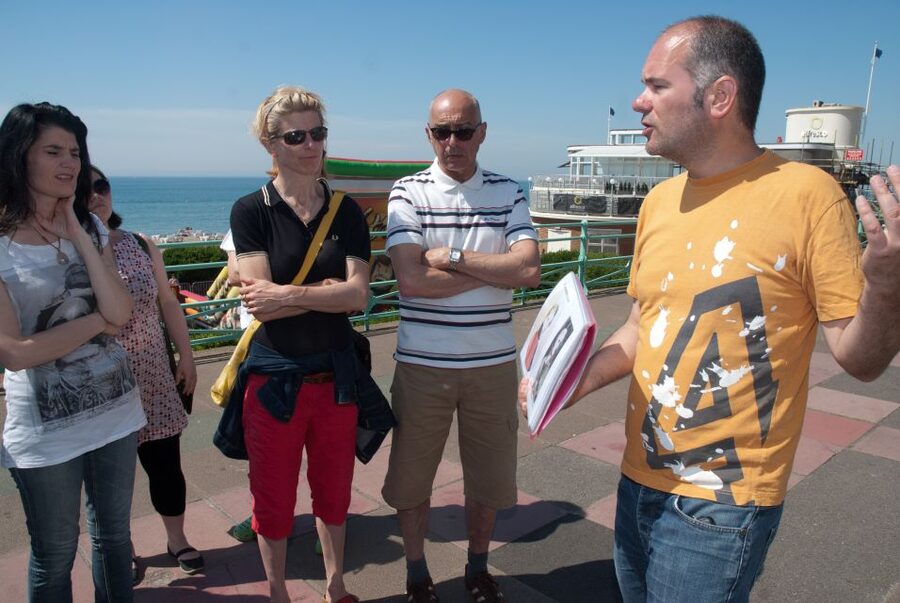
Your tour starts at the statue in Regency Square in Brighton. This is a smart beginning point because it sets the tone right away: you are in an area that feels formal and grand, and that contrast matters. The walk does not treat LGBTQ history as a separate topic. It shows how queer lives and queer politics threaded through the same streets, buildings, and public spaces that everyone else used.
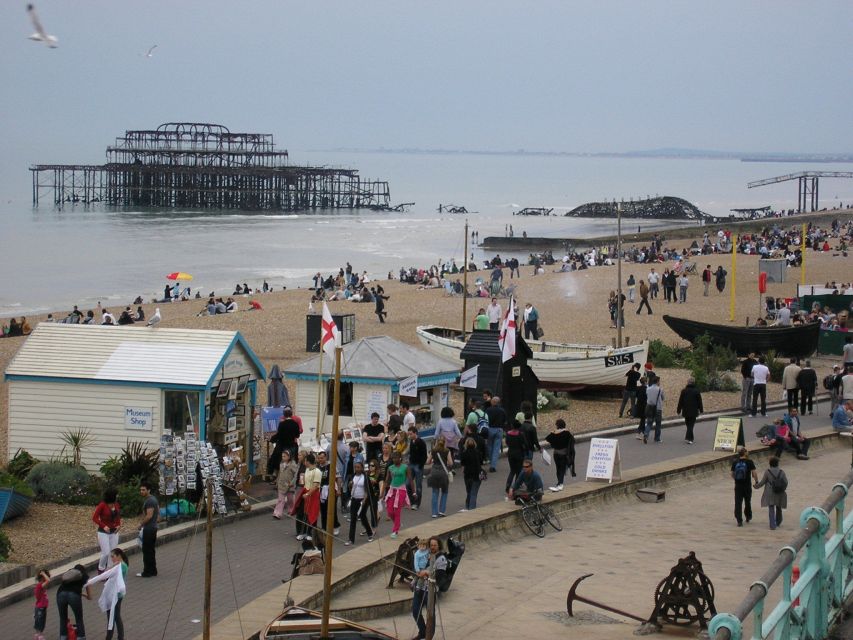
From there, you head toward the seafront. The route is not just about geography, it is about perspective. The ocean views and the open air give you a clear sense of where the city gathers, while the stories you hear bring in the lived reality underneath. It is the kind of tour where the sights stay in your mind, but the people stay longer.
If you are arriving in Brighton for the first time, this is also a good way to get your bearings fast. You end up with a mental map of where major eras and neighborhoods sit relative to each other, which makes the rest of your day easier to plan.
More Brighton and Seven Sisters trips:
- Brighton: Royal Pavilion Admission Ticket
★ 4.7 · 956 reviews - From Brighton: Seven Sisters and South Downs Tour
★ 4.9 · 746 reviews - SEA LIFE Brighton Admission Ticket
★ 4.0 · 468 reviews
The Seafront Segment: Why Brighton’s Public Life Matters
Brighton’s reputation as the gay capital of Britain is often repeated, but this tour explains why that reputation has roots. You start by looking at the seafront with new eyes. Even in a short walk, you get the sense that public spaces played a role in visibility, community, and identity.
This is where the tour’s pacing works in your favor. You are moving while you are learning. That means you do not get stuck in one spot trying to hold a lot of information at once. You get the history in short, anchored pieces: a person, a moment, a social pressure, and then the shift to the next scene.
Practical note: the seafront can be breezy. Come ready for wind off the water, even on mild days. Layers beat trying to guess the weather perfectly.
Through the Old Lanes: Atmospheric Streets That Feel Personal
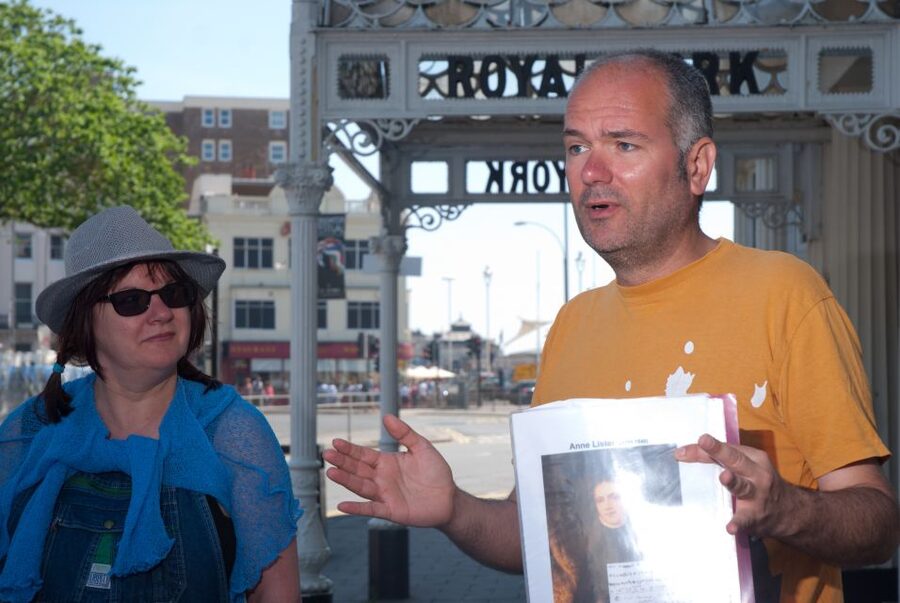
After the broader seafront space, you walk into the old Lanes. The streets feel tighter and more atmospheric, and that matters because queer history often involved secrecy, coded behavior, and careful community gathering. The Lanes help you understand the difference between being seen in public versus navigating life away from the spotlight.
This is also one of the best parts for anyone who likes character in cities. The Lanes are where you can almost imagine day-to-day routines. When the guide talks about different time periods, the smaller street scale makes it easier to picture what it might have felt like to move through the city then.
You will cover a wide sweep of time, including 1950s lesbian and gay life and political activism. The lesson here is not only who these people were, it is how they adapted to the rules around them. You end up with a better understanding of why community formation mattered, and how culture can grow in the same places that tried to control it.
From Regency Dandies to 1950s Life: The Tour’s Timeline Advantage
One of the strongest values of this tour is that it spans over 200 years without turning into a dry lecture. You do not just get a list of famous names and dates. You get a guided timeline that shows how attitudes changed, how risk shifted, and how people pushed boundaries in their own ways.
Expect the tour to move between worlds. You hear about Regency-era dandies and then jump forward into later queer life patterns. You also learn why Brighton became a magnet for people seeking freedom or safety, and how that reputation was built over time, not invented overnight.
This is the kind of tour that helps you connect dots. For example, the moment you hear about political activism, you can look at your surroundings and understand why street-level life matters. Activism was not only speeches and newspapers. It was also everyday actions, community support, and refusing to disappear.
More history tours in Brighton:
- London Small Group Tour of Historical Pubs
★ 5.0 · 10,422 reviews - Soho Music & Historic Pubs Tour
★ 5.0 · 1,993 reviews - London: Historic Pubs of Central London Walking Tour
★ 4.9 · 1,065 reviews - London: Soho Music and Historic Pubs Walking Tour
★ 4.9 · 836 reviews
Famous Figures You’ll Hear About, and What the Tour Does With Them
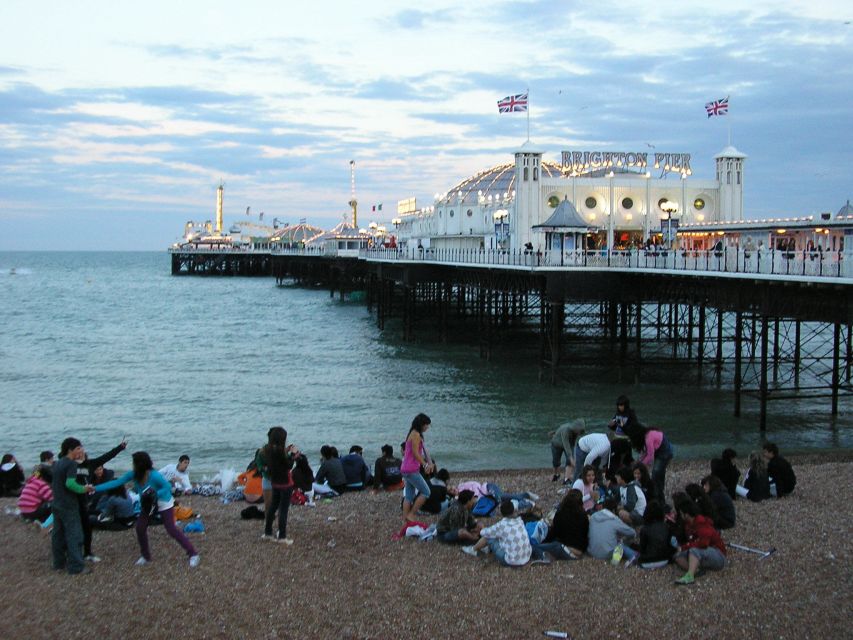
The tour weaves in names you may already know, but it does not treat them like a trivia set. You learn how people like Lord Byron and Oscar Wilde fit into Brighton’s story and why their presence matters in the bigger picture.
You also hear about Anne Lister, tied to her trip to Brighton. Her story is especially useful because it highlights how queer history is full of real people with real decisions, not just stereotypes. Anne Lister is also connected to wider media attention in recent years, so even if you are new to the subject, you likely recognize the name. The tour turns that recognition into understanding.
You will also hear Dusty Springfield mentioned. That addition helps the tour broaden beyond politics and into culture. Music and public performance can change how people see themselves and each other. It also shows how mainstream spaces can become part of queer identity, even when society is complicated about acceptance.
If you like your history with a human face, this part will land well. The guide links famous names to place, and place to meaning.
Unsung Heroes: When the Story Gets Better Than Celebrity
After the big names, the tour shifts to some extraordinary unsung figures. This is often where a tour like this becomes more than a quick sightseeing spin. You get stories of people who broke barriers long before it was safe or socially accepted.
You will learn about a pioneering doctor who lived as a man long before women were allowed to practice medicine. You will also hear about an Edwardian drag king, which adds an important note: gender expression has always existed in many forms, and Brighton’s history reflects that complexity.
The tour also covers a same-sex marriage in 1923. That detail is powerful because it puts a spotlight on how early queer relationships were handled in law and society. It also gives you a clear example of how people fought for recognition even when formal acceptance was limited.
These unsung stories matter because they change how you think about progress. It is not a straight line toward acceptance. It is a patchwork of courage, improvisation, and persistence. And you leave with a better sense of what it really costs to live authentically in any era.
Ending in Kemptown: The Neighborhood Connection That Sticks
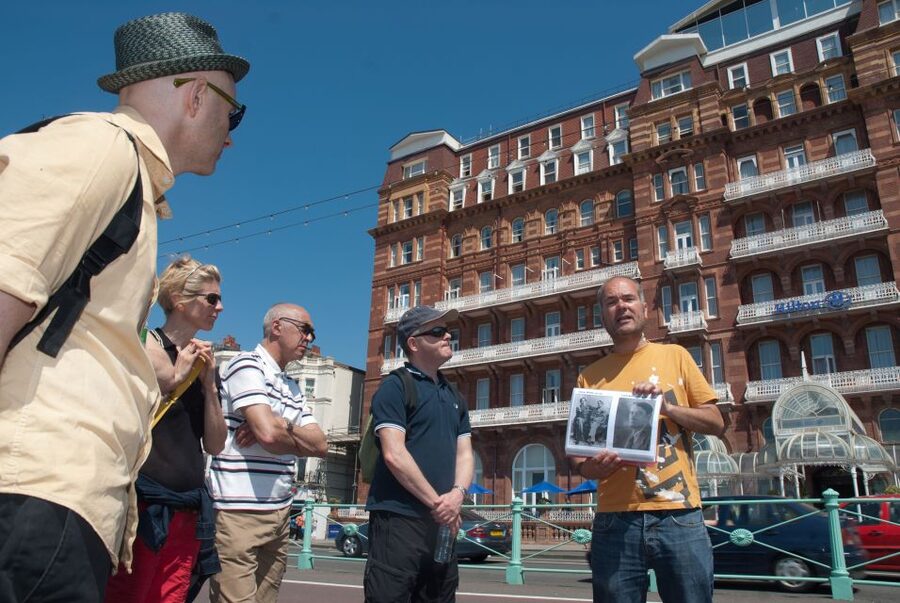
The tour finishes in the gay district of Kemptown. That ending matters because it turns the past into something you can still sense in the present. You are not only learning about history as content, you are seeing how it echoes in a real neighborhood.
Kemptown gives you a final lens: queer history is not trapped in museums. It lives in communities, businesses, gathering spaces, and cultural identity. Even if you plan to do other things after the tour, you start to recognize what to look for and what feels connected.
If you want to keep the momentum going, this is also a good time to ask your guide where to go next. One of the nice touches of Ric’s hosting style is that he stays approachable between story beats. You are not left with a complicated finale and no direction.
The Guide Style: Why Ric Works for Small Groups
This is a semi-private walk with a maximum of 12 people. In practice, that size tends to feel right for a story-heavy tour. You can ask questions, and the guide can tailor pacing to what the group seems most interested in.
The guide leading these walks is Ric. The overall vibe is friendly and easy to talk to, and he clearly has a personal passion for the subject. That enthusiasm shows up in how questions get handled and how the tour stays lively without rushing. You also get practical value at the end, including the chance to buy a book of his with 20 guided walking tours, if you want something to extend your exploration.
One thing I like about guides who do this well is they keep the focus on meaning. They do not just recite facts. They connect the street scene to the emotional stakes of each era.
Price and Value: Is $52 Worth It for 90 Minutes?
At $52 per person for about 1.5 hours, this is not a bargain you stumble into. It is a guided walking experience, and the value comes from what you cannot easily get alone.
First, you have a qualified Blue Badge guide guiding the route. Second, you get a curated timeline covering over 200 years, with both well-known and overlooked figures. Third, the small group setting keeps it conversational, not like you are standing in front of a megaphone.
If you tried to DIY this by reading a few articles, you would likely spend time bouncing between topics and locations, and you might miss the connections that make the story make sense. Here, the guide does that work for you. You also cover the seafront, Lanes, and the move to Kemptown in one efficient plan, which saves you planning brain space.
So I treat the price as fair for a story-forward walking tour. If your goal is sightseeing only, you can find cheaper options. If your goal is queer history you can feel in the streets, this is a strong deal.
Pace, Footwear, and Practical Tips for the Route
This tour is designed to be active: you are walking the seafront, threading through the Lanes, then finishing in Kemptown. You do not need to be an athlete, but you should plan for city walking and occasional crowd flow.
Wear comfortable shoes. You will be outside, and you will move at a steady pace for 1.5 hours. If you want to take photos, do it during stops where the guide pauses for emphasis.
The tour is offered in English with a live guide, which makes it easier to follow if you want to ask questions. It is also wheelchair accessible, so it is built with at least some level of mobility needs in mind.
Who Should Book This Brighton LGBTQ History Walk?
I think this tour is ideal if you want queer history that feels tied to place, not just names on a page. You will enjoy it most if you like:
- Walking city streets while learning how people lived
- LGBTQ history across multiple time periods
- A mix of famous figures and unsung pioneers
- A small group setting where questions are welcome
It is also a great first-day activity in Brighton. You get an overview and a sense of where the story sits geographically, which makes it easier to explore afterward.
If you only want very famous names, you might feel the unsung stories take the spotlight. If you want the most famous people only, you may prefer a different tour style. But if you want understanding, this one is built for that.
Should You Book the Brighton Piers & Queers LGBTQ History Tour?
Yes, I would book it if you want a guided walk that connects queer history to the exact streets you are standing on. The Blue Badge guide, the small group size, and the fact that the tour spans over 200 years make it a focused way to learn without turning it into homework.
Book it especially if you care about the mix: Regency-era life, 1950s stories, activism, and details like Anne Lister, plus barriers broken by pioneers in medicine and gender expression. It is also a solid choice if you like to finish with a neighborhood so you know where to go next.
Skip it only if you are not into walking or if you want a long, slow tour where you spend lots of time parked at each stop. This one moves with purpose, and it is at its best when you are happy to let the guide pace the story.
FAQ
How long is the Brighton Piers & Queers LGBTQ History Tour?
The tour lasts 1.5 hours.
Where is the meeting point?
Meet by the statue at Regency Square, Brighton BN1 2FZ, UK.
How big is the group?
It is a small group, semi-private tour with a maximum of 12 people per tour.
What is included in the tour?
You get a professional walking tour with a live tour guide.
What language is the tour guide?
The tour is guided in English.
Is the tour wheelchair accessible?
Yes, the tour is wheelchair accessible.
Can I cancel and get a full refund?
Yes. You can cancel up to 24 hours in advance for a full refund.
Do I have to pay right away?
No. You can reserve now and pay later, so you pay nothing today.
Recently reviewed around Brighton
- From Brighton: Stratford-upon-Avon & The Cotswolds Day Trip★ 4.6 · 4 reviews
- From Brighton: Stonehenge and Bath Full-Day Trip★ 4.7 · 87 reviews
- From Brighton: Private Boat Charter★ 5.0 · 5 reviews
- From Brighton: Cambridge and Greenwich Day Trip★ 4.9 · 18 reviews
- From Brighton: Isle of Wight Full-Day Trip via Portsmouth★ 4.7 · 77 reviews
- From Brighton: Oxford, Windsor and Eton Full Day Trip★ 4.7 · 32 reviews
- Brighton: Electric Mountain Bike Rental★ 5.0 · 4 reviews
- Brighton: Upside Down House Entry Ticket★ 4.3 · 138 reviews
Brighton & Seven Sisters Day Trips, compared.

From Brighton: Seven Sisters and South Downs Tour
Read our review →
Seven Sisters & South Downs Tour with Train Tickets Included
Read our review →

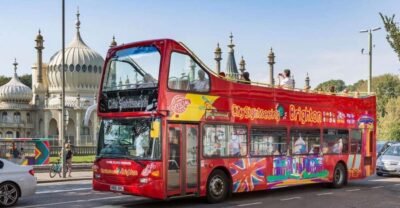
Brighton: City Sightseeing Hop-On Hop-Off Bus Tour
Read our review →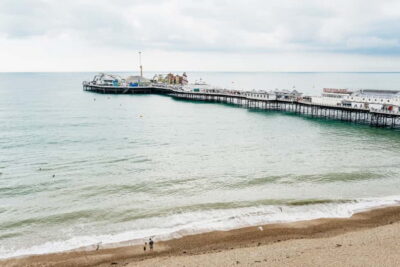
Browse the lists this tour appears in