

Reviewed · BRITISH MUSEUM TOURS
British Museum Tour: Rosetta Stone, Parthenon, Mummies
The British Museum can feel endless, so this tour is interesting because it gives you a tight, guided route through some of the museum’s most talked-about objects. I love how you get up close to the Rosetta Stone and actually understand what made it such a breakthrough. I also love the mix of civilizations, from Egypt to Greece to Mesopotamia, all in one focused visit. One drawback: the museum is busy, and the guide may be soft-spoken, so you’ll want to stand where you can hear clearly.
The best part is that you are not trying to see everything. Instead, you see the big names, plus the meaning behind them, with a licensed English guide and a simple on-foot loop starting at the main entrance stairs after security.
Key things that make this British Museum tour worth your time
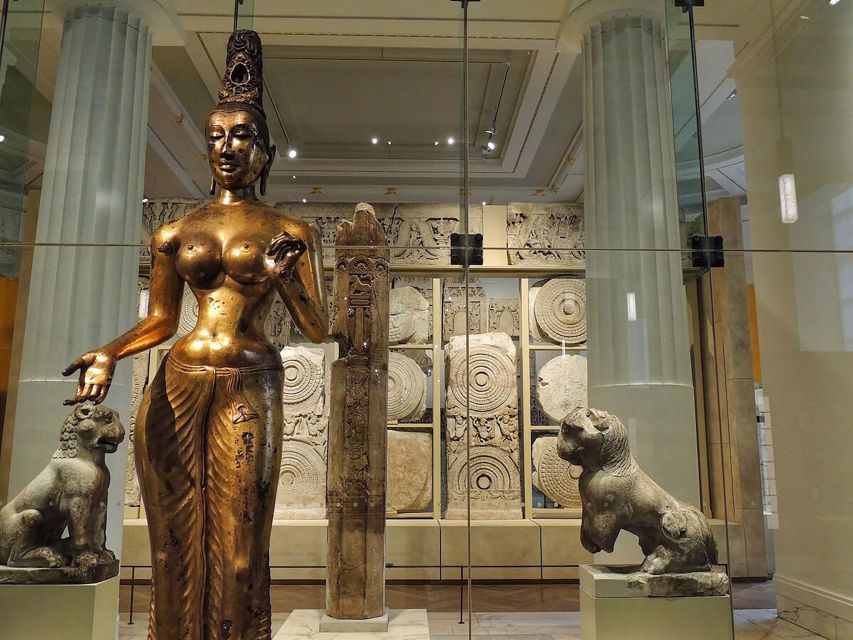
- Rosetta Stone context: you’ll connect the text to how scholars finally read Egyptian hieroglyphs
- Parthenon sculptures with a backstory: you get the removal story and why people argue about it
- Egyptian mummies and burial goods: you learn what these items can tell you about beliefs and daily life
- Sutton Hoo artifacts: you get a quick window into Anglo-Saxon elite burial culture
- Winged Bulls from Khorsabad: you see ancient Assyrian power expressed in monumental art
A 2-hour plan for the British Museum, without the overwhelm
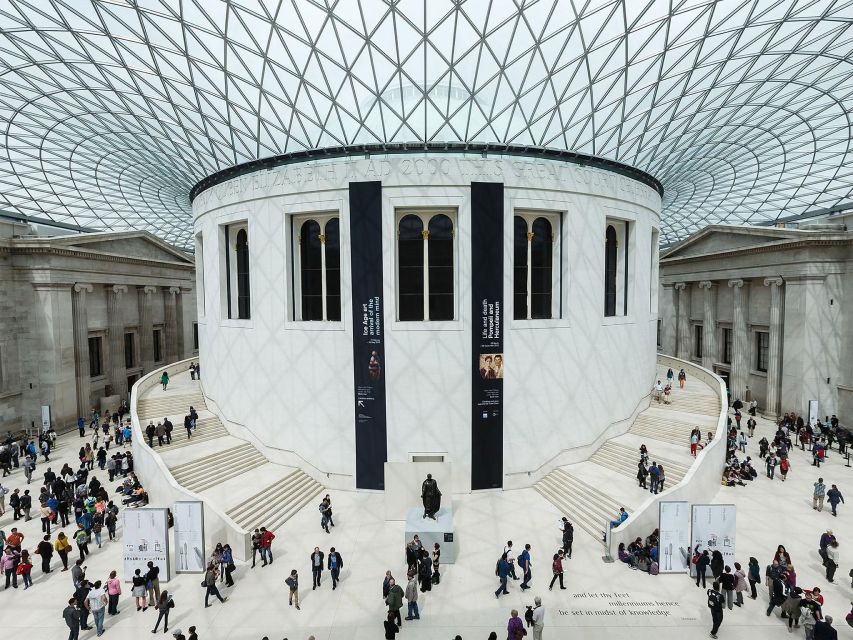
The British Museum is huge. If you show up with a loose plan, you can end up speed-walking past rooms you wanted to study. This tour solves that by choosing a small set of stops and giving you guided direction so you feel oriented fast.
You get a live, English-speaking guide for about 2 hours on foot. It’s not private, so expect other groups and a bit of weaving through crowds. The upside is that you get the guide’s framing, which makes the objects easier to “read” even if you are not an Egyptology or classical-history person.
The price, $84.69 per person, makes most sense if you value interpretation as much as sightseeing. If you already know everything you want to know, you could DIY your way through the museum. But if you want someone to point out what matters, why it matters, and how the museum collections got here, this format is good value for your time.
More British Museum tours:
- London: British Museum Guided Tour
★ 4.3 · 1,182 reviews - British Museum London Guided Tour Semi-Private 8ppl Max
★ 5.0 · 984 reviews - London: Tour of the British Museum
★ 4.1 · 678 reviews
Start at the main entrance stairs, then build your bearings fast
The meeting point is practical: meet your guide on the stairs at the main entrance after security checks. Plan to arrive about 15 minutes early so you are not rushing or missing the group.
From there, the biggest early win is orientation. The museum is not just a place to look at objects. It’s also a place to notice how the space shapes your experience. You’ll start with the building itself before plunging into the artifacts.
One tip from experience with big London museums: if you want to hear well, don’t hover in the back. Even a skilled guide can struggle when you are far from the group and people keep moving around you.
Great Court glass roof, architecture that sets the mood

Before you hit the headline artifacts, you’ll spend time with one of the museum’s most visible showpieces, the Great Court and its glass roof. Even if you think architecture is boring, it’s worth a minute because it changes how the building feels.
The Great Court’s glass roof brings a modern structure into an old museum environment. That contrast helps you shift from “this is just a collection” to “this is an institution built to display global history.” It’s also a good place to settle in and get your route sense before you move into the galleries.
If you are taking photos, this is one of the easier moments. Wait for a moment when the crowd shifts, because that space fills quickly.
Rosetta Stone, the moment letters become a key
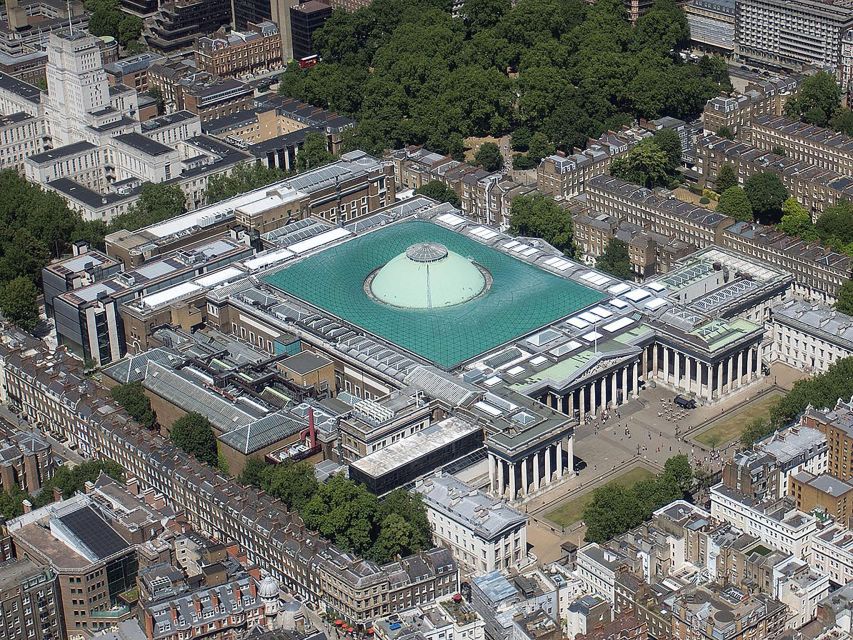
The tour’s anchor stop is the Rosetta Stone. This is the kind of object that draws people in even when they know very little about the subject. The reason is simple: it helped crack Egyptian hieroglyphs, turning symbols into readable language.
Your guide should explain the role of the stone as a key to deciphering. That context matters because it turns the viewing into something active. You are not just looking at an artifact with writing. You’re seeing how a single object can change what scholars can do.
This is also where the guided format pays off. Without a guide, you might stare, read a bit, and move on. With a guide, you understand why that inscription is so important to the study of ancient languages.
A practical note: the Rosetta Stone area is usually a magnet for attention, so expect crowds. If you can, stand to one side so you’re less likely to have someone block you when they stop suddenly.
More museum visits in London:
- Tower of London and Crown Jewels Exhibition Ticket
★ 4.5 · 6,677 reviews - London: Chelsea Football Club Stadium and Museum Tour
★ 4.8 · 4,576 reviews - Chelsea FC Stadium Tours and Museum
★ 5.0 · 1,908 reviews - Official tickets: Moco Modern & Contemporary Art Museum
★ 4.5 · 1,157 reviews
Parthenon sculptures, beauty with a complicated history

Next comes one of the museum’s most debated collection items, the Parthenon sculptures. The core story is the removal of these sculptures from Athens by Lord Elgin, when he served as the British ambassador to the Ottoman Empire, and their later presence in the British Museum.
This stop is not only about aesthetics. It’s about how museums become part of global history, including the uncomfortable parts. You’ll hear why the story is controversial and why people still argue about cultural ownership, taking, and display.
I like this stop because it forces you to look at the artwork and the politics at the same time. You can admire carving and composition, then immediately ask harder questions about how objects travel and who gets to tell their story.
If you prefer uncomplicated visits, this segment might feel more intense than the Egypt or Mesopotamia rooms. But it’s one of the reasons the British Museum matters.
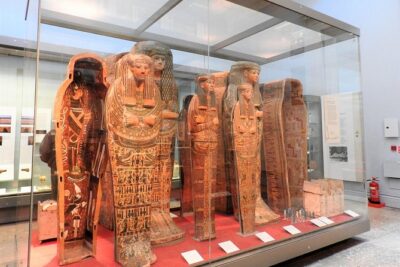
Egyptian mummies and burial artifacts, what you can learn from death rituals
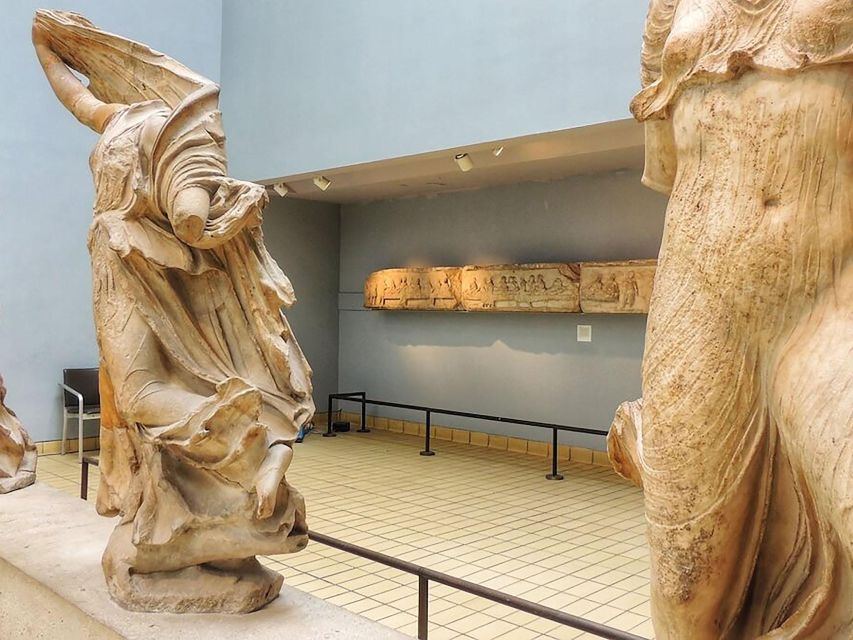
Then you move into the Egyptian galleries for mummies and burial artifacts. This is one of those sections where the objects feel personal, even though they are thousands of years old.
A good guide will connect what you see to burial practices, including the spiritual beliefs behind them. You should also get pointers on what some artifacts can suggest about daily life, not just how people wanted to be remembered.
The way the tour handles this area matters. If you try to wander alone, you can get pulled into the shock value and miss the meaning. With a guided route, the focus stays on what the burial setup tells you, and why these collections are so important for understanding ancient Egypt.
One practical consideration: mummy displays can be visually intense. Take short breaks if you feel overloaded. This tour is only 2 hours, so even with breaks, you’ll still have time for the key highlights.
Sutton Hoo treasures and Khorsabad winged bulls in the same loop
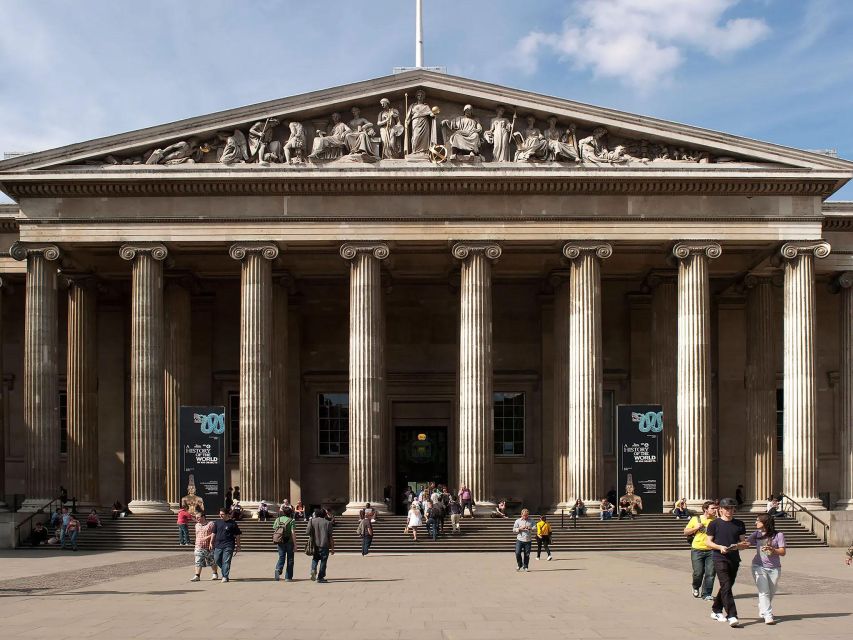
This tour does something smart by connecting three regions of early history instead of sticking to one theme.
First, you’ll see treasures tied to Sutton Hoo, the Anglo-Saxon burial site. The point here is to show you what elite burial culture looked like in early medieval England, through the artifacts that were placed with the dead. You get a sense of status, craft, and ritual without having to become an expert on the spot.
Then the route shifts again to Mesopotamia with the Winged Bulls from Khorsabad. These monumental sculptures were part of ancient palace life and were meant to guard and signal power. The “wow” factor is real because of the scale and detail, but the guide’s job is to explain what they were doing there in the first place.
I like ending the big-object section with Khorsabad because it broadens your mental map. You leave not just remembering famous names, but understanding how civilizations used art to communicate authority, protection, and belief.
Price and logistics, what you’re paying for (and what you are not)

At $84.69 per person for a 2-hour guided walk, you’re paying for a licensed guide, a structured route, and expert interpretation of a small set of major objects. You are not paying for hotel pickup or food and drinks, so plan accordingly.
You also need to be realistic about walking. The tour is on foot and the museum is huge, so comfortable shoes are not optional. This is not suitable for wheelchair users per the information provided, so if mobility access is an issue, you’ll need a different plan.
Because it is not private, you’ll share the route. That can affect hearing. One of the reviews highlights that the guide was very knowledgeable but very soft spoken, and it was hard to hear at times due to crowding. My advice is simple: go early in the day if you can, and try to position yourself where you can hear without craning.
If the time you select is not available, you may be transferred to another time on the same day. For last minute bookings, if there are no seats, you may be placed on the day after the booked date. So if you have a tight schedule, book earlier rather than later.
What I’d expect from the guide, based on how this tour is described
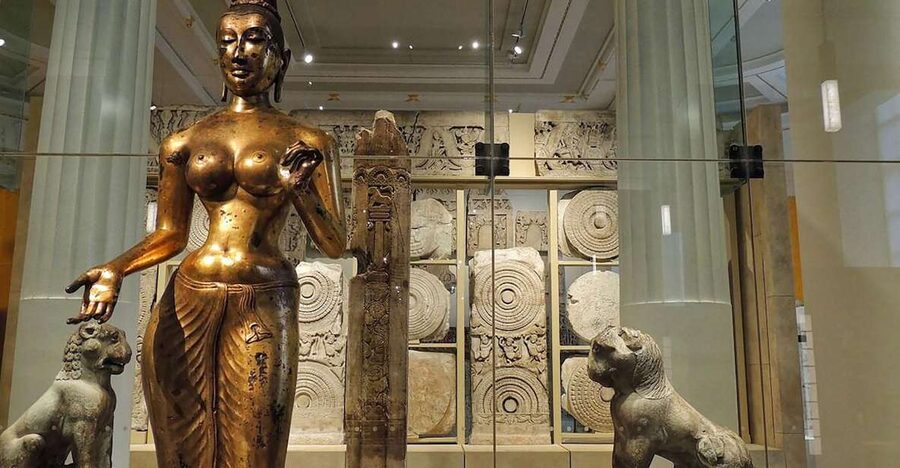
You’re promised an engaging commentary, focused on the objects and on how they ended up in the museum. The guide approach should help you connect:
- the Rosetta Stone to decipherment and language study
- the Parthenon sculptures to removal history and ongoing debate
- Egyptian mummy exhibits to burial practices and beliefs
- Sutton Hoo and Khorsabad to how power and status show up in material culture
Since the museum is busy, the best guide will work to keep the group moving while still explaining enough to make each stop meaningful. If you’re the type who likes asking questions, you should be able to listen closely and catch the key points the guide offers.
Who this British Museum tour is best for
This fits you if:
- you want a focused British Museum experience, not an all-day wandering session
- you enjoy explanations that connect artifacts to real historical stories
- you like big-name objects, but also want the “why” behind them
It might not fit you as well if:
- you prefer to move at your own pace for long stretches
- you struggle in crowded spaces, or you need clear audio without background noise
It’s a great choice for a first-time visitor, especially if your time is limited. It also works if you’ve visited before and want a sharper route through the museum’s most famous collections.
Should you book this tour?
Yes, if you want a short, high-value introduction to some of the British Museum’s most important and most debated objects. For 2 hours, you get major hits across Egypt, Greece, Mesopotamia, and early medieval England, plus the museum context that makes those items more than just something to photograph.
Skip this option only if your main goal is total freedom to roam, or if you need a private, quieter experience. If hearing the guide clearly is a priority for you, arrive early and position yourself well at each stop.
If you want the fastest path to understanding why the British Museum is famous, and you don’t want to spend your whole day lost in galleries, this guided plan is a smart bet.
FAQ
How long is the British Museum tour?
The tour lasts about 2 hours.
Where do I meet the guide?
Meet your guide on the stairs at the main entrance after security checks.
Is pick-up from my hotel included?
No. Hotel pick-up is not included.
What’s included in the price?
The price includes a live tour guide and online support at the time of boarding.
What should I bring?
Bring a passport or ID card.
Is this tour wheelchair accessible?
No, it is not suitable for wheelchair users.
Recently reviewed around London
- London: Harry Potter Walking Tour with Platform 9 3/4★ 4.6 · 37 reviews
- London: Harry Potter Tour & The London Dungeons Tour★ 3.8 · 28 reviews
- London: Harry Potter Tour, River Cruise & The London Dungeon★ 4.4 · 8 reviews
- London: Harry Potter Walking Tour and River Thames Cruise★ 3.6 · 24 reviews
- London: Harry Potter Tour and London Bridge Tombs Experience★ 3.8 · 4 reviews
- London: Harry Potter Walking Tour and Tower Bridge Ticket★ 4.4 · 7 reviews
- London: Harry Potter Walk, Hop-on Hop-off Bus Tour & Cruise★ 4.1 · 105 reviews
- London: Harry Potter Sights and Shrek’s Adventure Combo Tour★ 4.6 · 3 reviews
British Museum Tours, compared.


British Museum London Guided Tour Semi-Private 8ppl Max
Read our review →

British Museum Audio Tour & Priority Entrance Ticket
Read our review →
The British Museum London – Exclusive Guided Museum Tour
Read our review →
Browse the lists this tour appears in