
Reviewed · JACK THE RIPPER TOURS
French Language : Original Jack the Ripper Tour
What makes this tour interesting is how it turns familiar London streets into an 1888-style evidence hunt. You walk through Whitechapel with an expert guide who keeps the story grounded in what people could actually observe at the time. It is part history lesson, part mystery solving, and it stays focused on the places where the story still lingers.
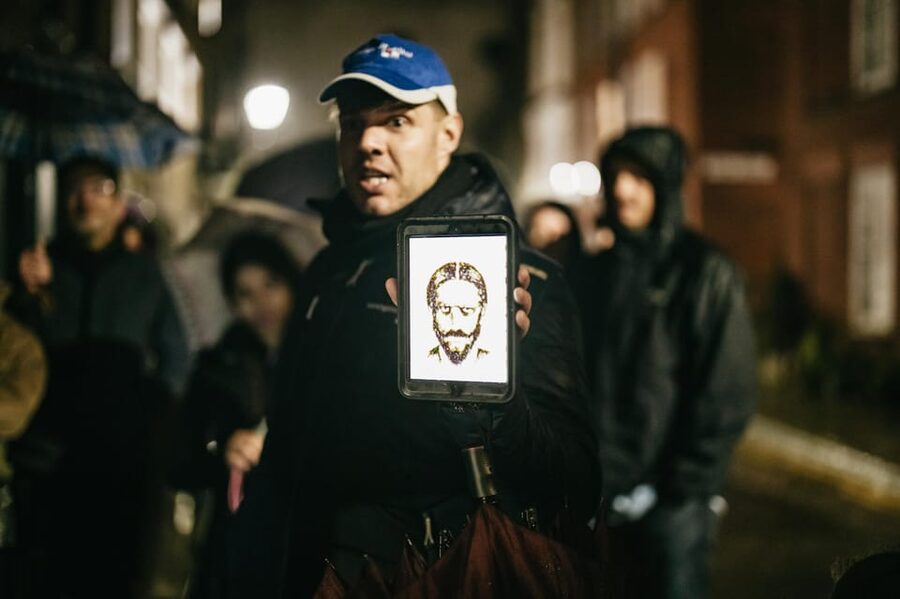
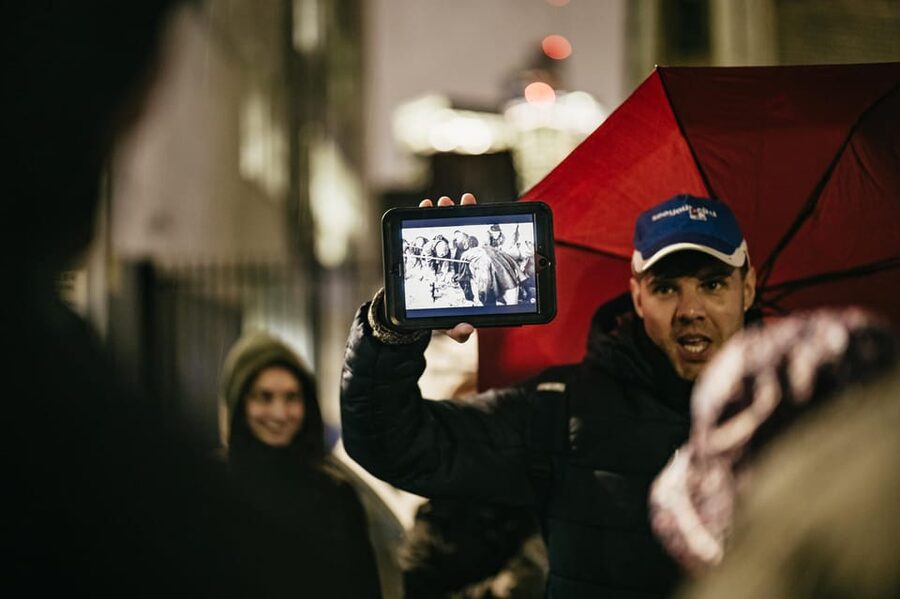
I love the way the Ripperologist guide uses stories plus real “clue” material like photographic evidence, so you are not just hearing legends. I also like the practical street-level sightseeing, especially the mix of Whitechapel locations with stops such as Spitalfields Market and the Ten Bells Pub.
One drawback to plan around: this experience includes graphic details and visual content, so it may be too intense for some people. Since it is fully outdoors, you also want to dress for the weather and be ready for variable pavement conditions.
Key things that make this tour worth it
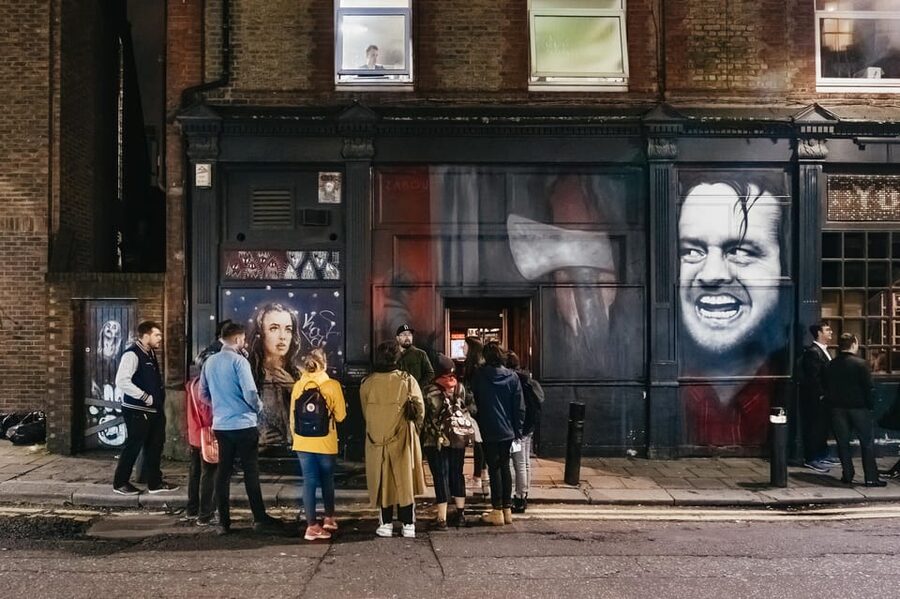
- Ripperologist storytelling that treats it like a case, not a campfire tale
- Photographic evidence and suspect theories, with chances to judge what fits and what does not
- Real East End stops, including Spitalfields Market and the Ten Bells Pub
- Whitechapel daily life context, so the neighborhood feels like more than a spooky backdrop
- Sherlock Holmes inspiration, explained in a Victorian cultural context
- Multilingual guides (English, French, Spanish, German, Italian) for a smoother experience
Why Whitechapel still feels like 1888
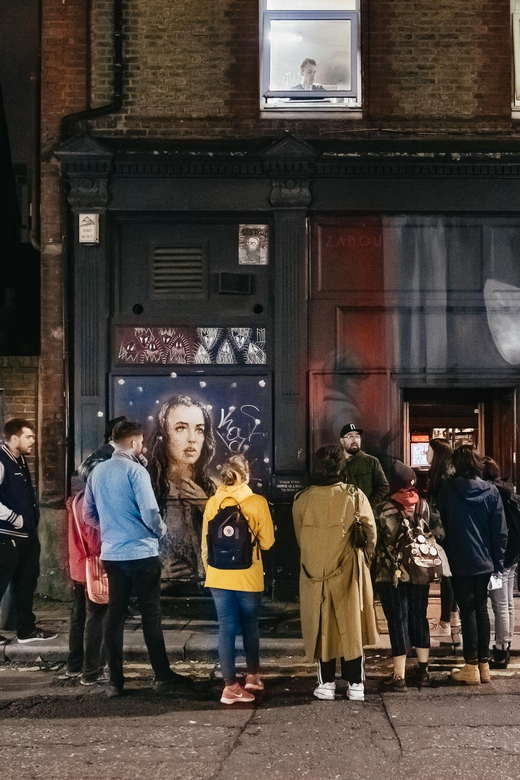
Whitechapel is one of those places where London history does not sit politely behind glass. On this walk, you are out on the streets, moving past landmarks that helped define the neighborhood’s character in the late 1800s. That is what makes the mystery stick, you are not just learning names and dates, you are seeing the geography that shaped how people lived, worked, and traveled.
The tour also leans into the big unanswered questions you already heard about, like whether Jack the Ripper was close to being caught, and why Whitechapel became the focus. But instead of treating those as movie-style cliffhangers, your guide frames them as investigation problems: what evidence existed, what people noticed, and how theories were built.
More Jack the Ripper walks:
- London: The Original Jack the Ripper Walking Tour
★ 4.7 · 7,833 reviews - London Jack the Ripper Guided Tour with Ripper-Vision
★ 4.5 · 4,840 reviews - London: Jack the Ripper Small Group Tour
★ 4.7 · 3,159 reviews
The $24 value: what you get in 2 hours
At about $24 per person for a 2-hour guided walk, the value comes from three things working together. First, you get an expert Ripperologist guide, not just a generic audio tour. Second, you cover multiple meaningful locations in one tight window, which matters in London where time adds up fast. Third, the guide connects crime stories to everyday life in a poorer neighborhood, so you leave with more than just the headlines.
This is not a “sit and read” experience. You are moving, listening, and mentally assembling the case as you go. If you enjoy problem-solving and context, two hours can feel like a well-paced sprint.
If you mainly want quiet, scenic sightseeing, you might find the focus on murder and the investigation theories heavy. The good news is that you still get context around the Victorian era and even how cultural figures like Sherlock Holmes fit into the period’s fascination with crime and detection.
Meeting up near Aldgate East without stress
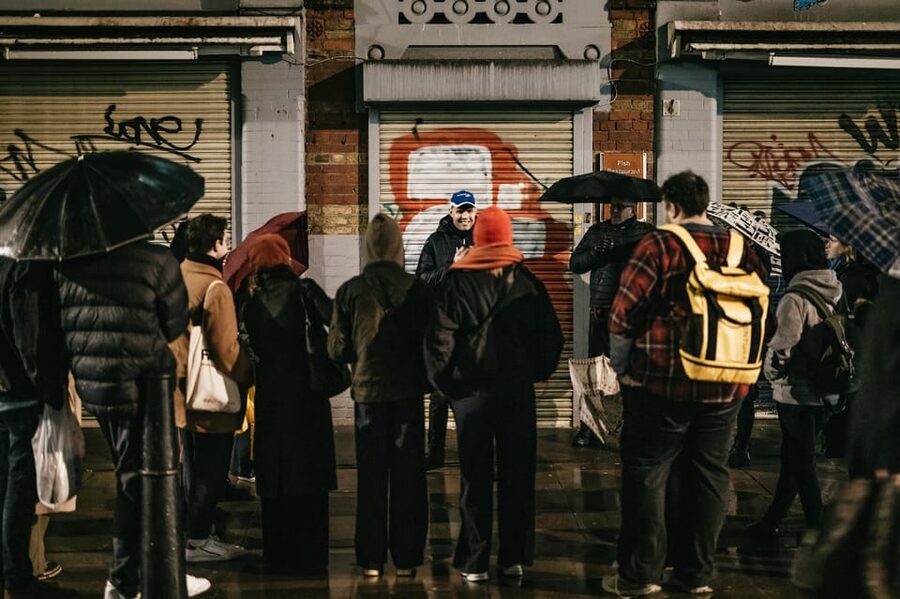
The tour starts at St Marys Whitechapel Church Memorial area. For the actual meetup, your guide will be at the west entrance to Altab Ali Park, by the large iron arch gate on the corner of White Church Lane and Whitechapel High Street. You will want to spot the guide holding a blue flag.
The nearest Underground station is Aldgate East. I like having a clear station anchor like this because East London can feel like a puzzle of streets and side roads, especially if you arrive a bit early. Give yourself a few minutes to find the park entrance and settle your group position before the walk begins.
Also keep an eye on the weather. This is an outdoor tour, and you will not be able to wait indoors if conditions get unpleasant. If you are sensitive to cold or rain, bring a layer and have a plan for umbrellas.
The case is the walk: evidence, victims, and suspects on the streets
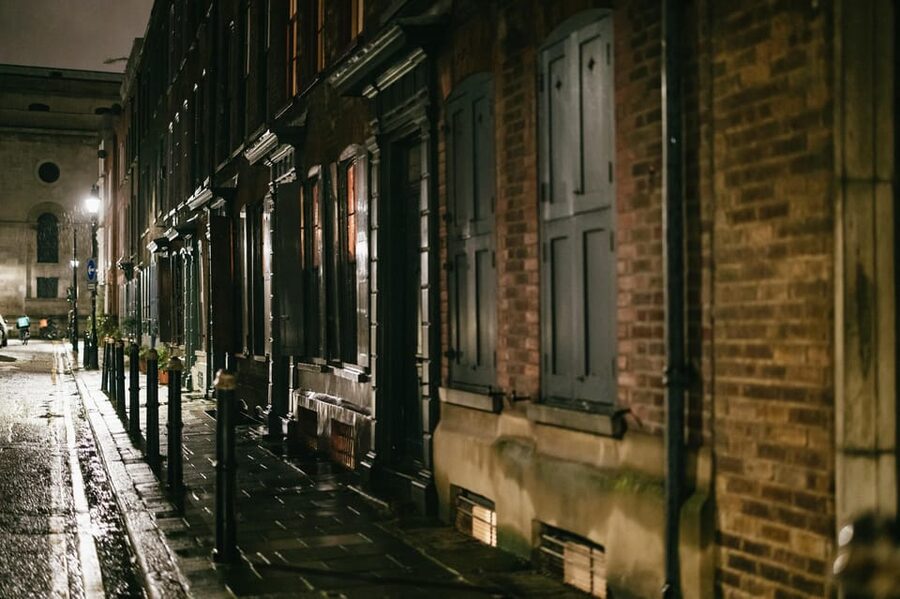
The heart of the tour is the “investigate” approach. Your guide takes you through alleged perpetrators and the theories around who may have been responsible, but the emphasis stays on reasoning. You will hear how investigators and communities tried to make sense of terrifying events, then you will be guided through clues, including photographic evidence, so you can judge what seems plausible.
I like that the tour also gives the human side. You learn about the victims and what daily life could look like in Whitechapel, where people often lived with very limited resources. That matters because the neighborhood setting is not just flavor, it helps explain why certain patterns were possible and why the stories spread the way they did.
One important consideration: the tour contains graphic details and visual content. That does not mean it is all shock for shock’s sake, but you should be prepared for intense subject matter. Also, participants under 18 must be accompanied by an adult.
A different sort of day out in London:
- From London: Harry Potter Warner Bros Studio Tour
★ 4.7 · 26,588 reviews - Magical London: Harry Potter Guided Walking Tour
★ 4.7 · 22,044 reviews - London: Madame Tussauds London
★ 4.6 · 20,915 reviews - Stonehenge, Windsor Castle, and Bath from London
★ 4.5 · 18,662 reviews
St Marys Whitechapel Church Memorial: setting the mood at the start
You begin near the St Marys Whitechapel Church Memorial, which gives the story a grounded starting point. Instead of starting in a tourist office or a general museum space, you start where the area’s identity is physically present. The guide uses this early moment to frame what you are about to do: walk through the East End like an investigator, not like a casual sightseeing group.
This first stretch is where you get your bearings. You learn how your guide will structure the “case work,” what kinds of questions they will ask you to think about, and how to connect each stop to the larger mystery. If you are the type who likes to know the rules of the game before you start, this beginning works.
Whitechapel street passing: the neighborhood becomes part of the explanation
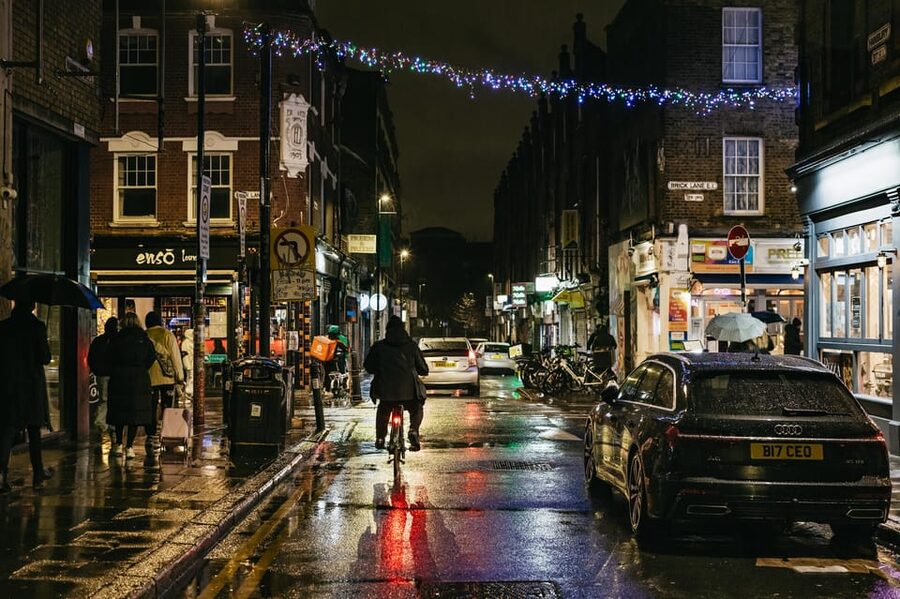
As you move through Whitechapel, the tour shifts attention from the crime to the environment. The guide points out how the neighborhood was impoverished at the time and how that shaped daily life. That is one of the smartest ways to teach the period, because you start understanding motives, opportunities, and visibility in a physical way, not just in a textbook way.
You also get help answering why Whitechapel mattered. The tour does not treat it like a random choice, it treats it like a reasoned location within the broader city. You end up thinking about the geography like an investigator: movement, crowding, lighting, and the reality of what people might notice.
Mitre Square and Petticoat Lane: where the East End feels real
Among the stops included are Mitre Square and Petticoat Lane. These are the kinds of places that help you shift from “murder mystery” thinking to “this is a working neighborhood” thinking. Even if you have never visited before, you get a sense of how streets and squares function as meeting points and pathways through daily life.
In a tour like this, the practical value of stops like these is simple. They help you visualize how witnesses might have interacted, how people could have passed through areas quickly, and how rumors could travel. When you can picture the physical flow, the story’s theories feel more testable, for better or worse.
If you prefer fewer jumps between facts and theories, you might want to listen actively at these stretches. The guide is using the places to build logic, not to perform.
Spitalfields Market: the period lens meets a place you can still visit
Spitalfields Market is one of the tour highlights, and it is a great stop for a reason. It connects the East End of the 1800s with the kind of marketplace energy you can still recognize today. Even though times have changed, a market area helps anchor the idea that Whitechapel was not only a “crime location,” it was also a place of work, trade, and routine.
What I like here is the cultural shift the guide can explain. You learn how neighborhoods with constant movement and commerce create a setting where information spreads quickly, and where outsiders can blend in more easily. That is the kind of context that makes crime stories less abstract.
Brick Lane: story geography on a street you will remember

Brick Lane is another included stop, and it gives the tour a vivid street backdrop. A key benefit of a place like Brick Lane in a Jack the Ripper story is that it helps you think about routes. You can imagine how someone might move through the area, and how the pace of everyday life might mask strange behavior.
This stop is especially helpful for Sherlock Holmes fans. The tour ties Victorian crime obsession to cultural storytelling, and Brick Lane gives you that London street feel that makes the detective mindset easier to understand. You start to see why later fiction and public fascination latched onto the idea of detective work and clues.
Christ Church: anchoring the story with a real landmark
You also pass by Christ Church. Churches in the Whitechapel area often functioned as landmarks people could orient around, and that is part of why the guide includes them. When you have real buildings tied to a story, the mystery stops feeling like it floats above the ground.
This stop also helps balance the tone. After hearing about victims and investigation theories, seeing a landmark like this reminds you that the neighborhood was full of normal life alongside tragedy. That contrast is one reason the tour is memorable, it does not let the area become only a horror set.
Ten Bells Pub: the finish point that hits hardest
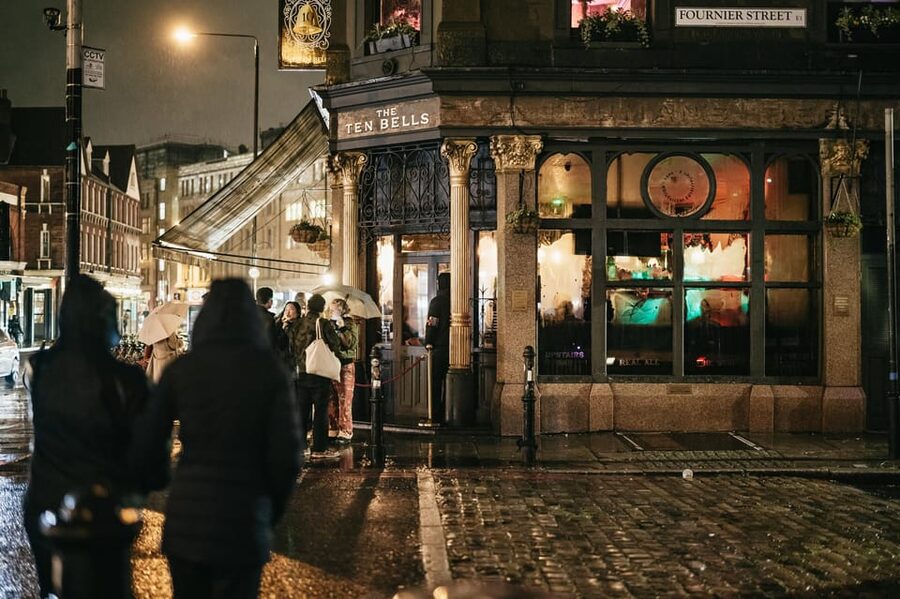
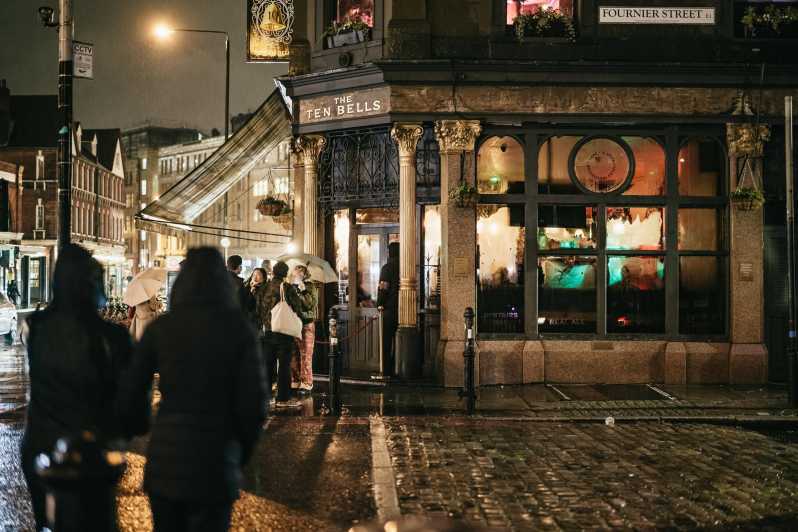
The tour ends at The Ten Bells Spitalfields. Finishing here works because it gives the story a natural emotional landing. Pubs are social hubs, and in a neighborhood setting, that matters. You are standing in a place people could talk, compare stories, and share rumors, which connects tightly to how public interest grew.
I also like that the guide builds toward this moment instead of treating it like a random stop. You hear about victims, suspects, and competing theories through the walk, then you get a location finish that brings it all together.
If you want to linger, you can. The tour itself ends at Ten Bells, but you can use the post-tour minutes to look around and process what the guide helped you think through.
Guides you might meet, and why their style matters
One reason the ratings are so high is that the guides tend to be strong storytellers. You might meet guides such as Clara, Klairvy, Christophe, or Sina, and the consistent theme in their approach is clear narration and active engagement. The better guides also share additional details like anecdotes and photos to help your brain form connections between stops.
If you care about pacing, try to arrive a few minutes early and get settled. A good guide can read the room, but they still need everyone in place so the story flows.
Who should book this tour, and who might not love it
This is a great pick if you like crime stories with context, want to understand Victorian London, and enjoy theories you can weigh as you walk. It is also a strong option if you are a Sherlock Holmes fan and want the cultural backdrop of why detective fiction and real-world crime stories became so intertwined.
You might want to skip or think twice if:
- Graphic details and visual content would be upsetting for you.
- You prefer your history in quieter, indoor settings.
- You have mobility limits that make uneven public paths hard. The tour is wheelchair accessible, but conditions can vary outdoors and the route does not remove every possible rough patch.
Should you book the Original Jack the Ripper tour?
Book it if you want a focused 2-hour walk that treats the murders like a real case, with a guide who brings you to actual East End landmarks such as Spitalfields Market and the Ten Bells Pub. The $24 price feels fair for what you get, especially the expert Ripperologist guidance and the mix of crime clues with daily-life context.
Don’t book it if you are sensitive to graphic material or you only want light sightseeing. This tour spends its time on investigation theories and the human cost of the events.
If you can handle the subject and you enjoy thinking while you walk, you will likely come away with a Whitechapel map in your head, and a clearer sense of how people in the 1880s tried to make sense of the impossible.
FAQ
How long is the Jack the Ripper walking tour?
It lasts 2 hours.
What does the tour cost?
The price is $24 per person.
Where do I meet the guide?
Meet at the west entrance to Altab Ali Park, at the large iron arch gate on the corner of White Church Lane and Whitechapel High Street. Your guide will be holding a blue flag.
What is the nearest Underground station?
The nearest station is Aldgate East.
What languages are available for the live guide?
The tour is offered in English, French, Spanish, German, and Italian.
Is the tour indoors or outdoors?
It takes place entirely outdoors, so you should dress for the weather.
Is this tour suitable for children or teens?
Participants under 18 must be accompanied by an adult, and the experience contains graphic details and visual content.
Is the tour wheelchair accessible?
Yes, it is listed as wheelchair accessible, but it takes place on public paths outdoors where conditions can vary.
Recently reviewed around London
- London: Harry Potter Walking Tour with Platform 9 3/4★ 4.6 · 37 reviews
- London: Harry Potter Tour & The London Dungeons Tour★ 3.8 · 28 reviews
- London: Harry Potter Tour, River Cruise & The London Dungeon★ 4.4 · 8 reviews
- London: Harry Potter Walking Tour and River Thames Cruise★ 3.6 · 24 reviews
- London: Harry Potter Tour and London Bridge Tombs Experience★ 3.8 · 4 reviews
- London: Harry Potter Walking Tour and Tower Bridge Ticket★ 4.4 · 7 reviews
- London: Harry Potter Walk, Hop-on Hop-off Bus Tour & Cruise★ 4.1 · 105 reviews
- London: Harry Potter Sights and Shrek’s Adventure Combo Tour★ 4.6 · 3 reviews
Jack the Ripper Tours, compared.

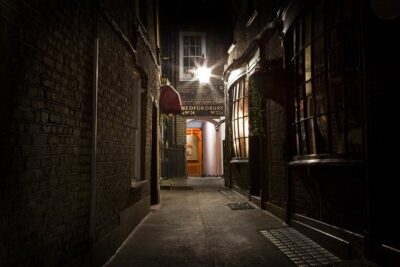
London Jack the Ripper Guided Tour with Ripper-Vision
Read our review →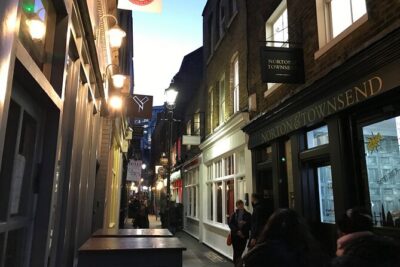
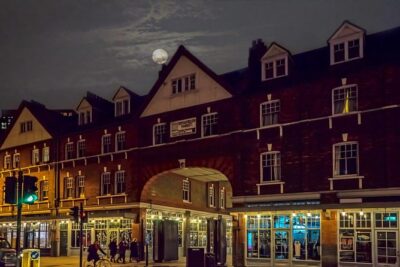

German Language : Original Jack the Ripper Tour
Read our review →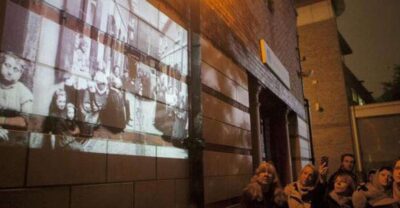
Jack the Ripper Walking Tour – Ripper Vision Tours
Read our review →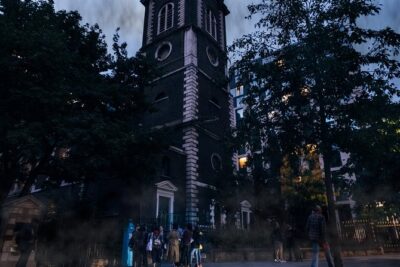
Ultimate Jack the Ripper : Guided Tour of London
Read our review →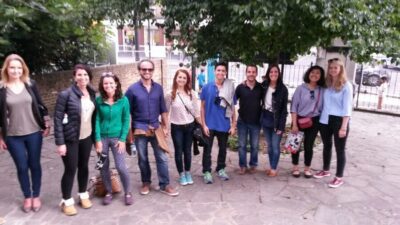
Browse the lists this tour appears in