
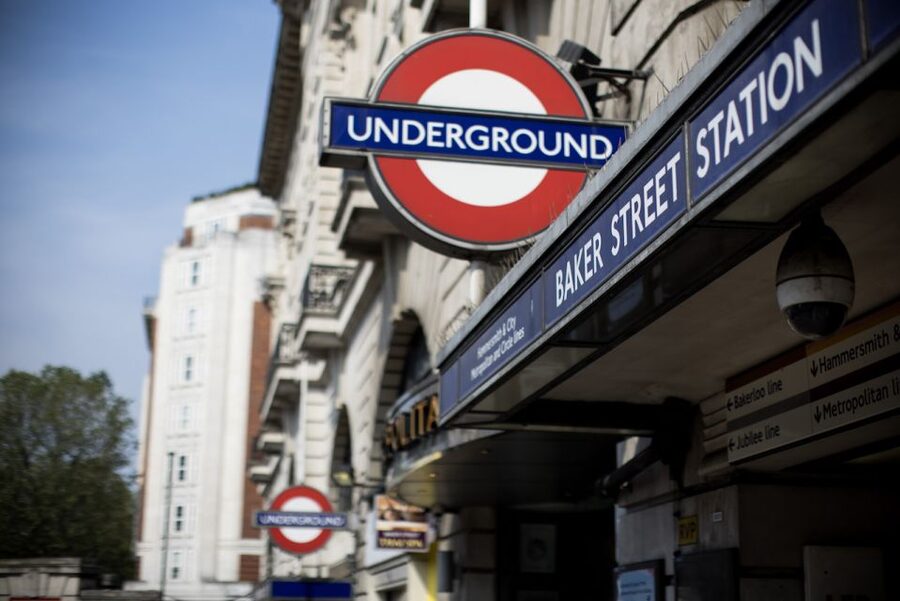
Reviewed · SHERLOCK HOLMES TOURS
London: Hidden Baker Street Tube Station Tour
London’s Hidden Baker Street Tube Station Tour is interesting because it gets you into Baker Street Station’s spaces that most people never see, including Victorian-era passenger areas and behind-the-scenes work zones. I love how the tour turns the Tube from a commute into a real story you can walk through, not just read about. Guides such as Anthony, Sophie, and Pat are a big part of that energy, mixing facts with great character.
I also like the sheer specificity of what you get access to. You’ll see areas tied to the station’s operational role, plus odd, practical details like the staff rifle range, original platforms, old lift shafts, and corridors that were last reached by the public decades ago. It’s not vague “cool history” talk, it’s the place itself.
One drawback to consider is that this is not an easy walk. The route includes uneven ground, low lighting, and stairs, with no elevators, and it is not suitable for people with mobility impairments or claustrophobia.
Key Things You’ll Notice on This Hidden Baker Street Tour
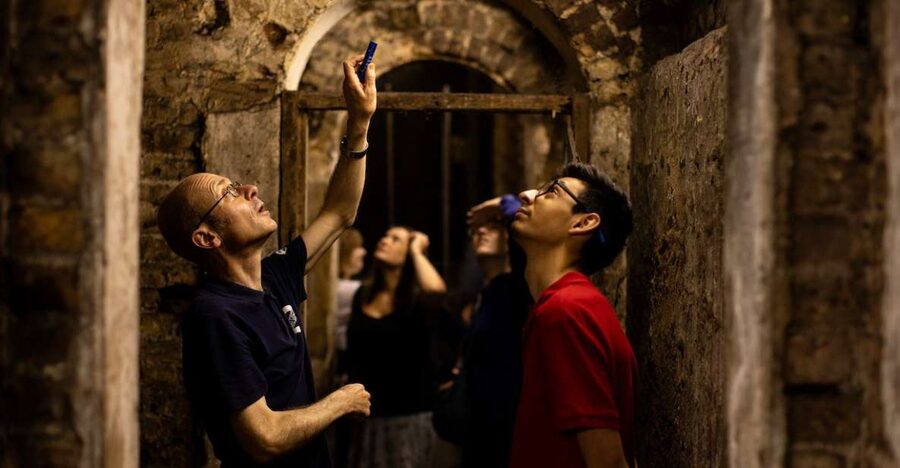
- Exclusive access to off-limits areas of Baker Street Station that haven’t been used for over 75 years
- Victorian steam-era context tied to the Underground’s earliest years starting in 1863
- Staff-focused spaces like the staff rifle range, plus corridors not meant for public foot traffic
- Old station infrastructure such as original platforms and lift shafts last seen by the public as far back as 1945
- Real people stories about staff who worked and played at the station over the years
Why Baker Street’s Hidden Areas Feel Like Real Time Travel
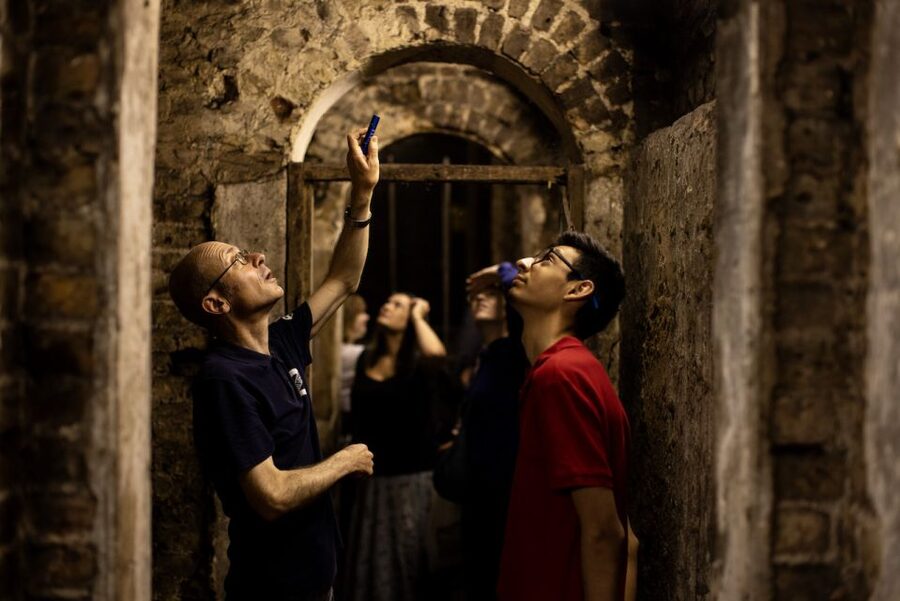
Baker Street Station sits on top of a major early idea in public transport: moving people underground through a crowded city. The tour starts from a simple, powerful premise, the Underground began here in the 1800s, and Baker Street played an important early role as part of the Metropolitan Railway network.
What makes this experience more than another station walk is that you’re shown the station as an operating system, not just as a pretty entrance hall. You move through the kinds of spaces that supported passengers, staff movement, and the daily running of the Underground. The result is that you feel the logic of the place, how it had to be built, managed, and defended to keep trains moving in dense London streets above.
And because you’re inside actual station structure, the history stays grounded. Seeing a corridor, a platform, or a lift shaft in context does something a museum panel can’t always do. It puts your brain in the right century fast.
More Sherlock Holmes tours:
- London: Sherlock Holmes-Themed Walking Tour
★ 4.7 · 756 reviews - Sherlock: The Official Live Game
★ 4.5 · 460 reviews - Sherlock Holmes Walking Tour in London
★ 5.0 · 207 reviews
Meet at the Sherlock Holmes Statue, Then Step Into Station Mode
Your tour meets outside Baker Street Underground Station, in front of the Sherlock Holmes statue. This matters because it helps you orient before you head into the station system, and it keeps the start time simple even if you’re coming in from elsewhere around London.
Once you’re with the guide, you’ll switch from street-level London thinking to station-level thinking. Expect a lot of walking, and expect tight-feeling spaces with low lighting when you move into off-public areas. You’ll want comfortable shoes, and you’ll want to move at a steady pace because the route includes uneven ground and stairs.
Also, plan your day around the fact that you’re in the station for the full 85 minutes. This is not a quick stop between attractions. If you’re trying to pack in multiple “major sights,” this tour works best as one of your main activities nearby.
Underground HQ on the Move, How Baker Street Worked as Control Center
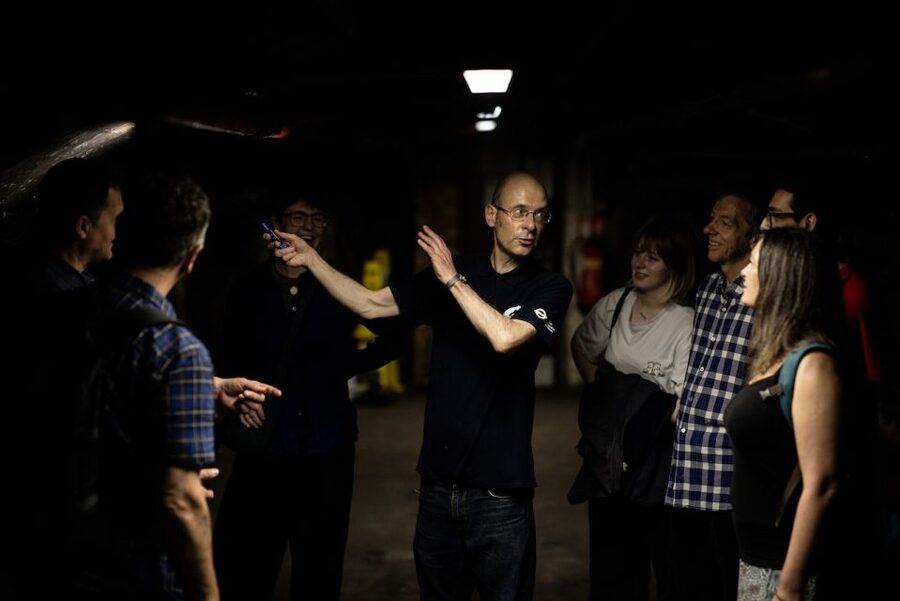
One of the most valuable parts of this tour is how it frames Baker Street as more than a stop. Baker Street served as the operational headquarters for the London Underground, which means it was a place where coordination and management happened, not just passenger flow.
When your guide talks about the station’s role, you start to notice the practical design choices that make that job possible. Even if you’ve used the Tube for years, you’ll get a new mental map of how things had to work behind the scenes. The tour also uses first-hand style stories tied to staff life over the years, so the space feels staffed, not abandoned.
The tour leans on the London Transport Museum’s archive and collection, so the narrative connects directly to how the Underground grew. You’ll learn about what the very first passengers thought when the Underground opened on January 10, 1863. You’ll also hear how the network expanded in the decades that followed, and how that expansion changed the demands on places like Baker Street.
The Staff Rifle Range and Other Back-of-House Spots
One of the standout highlights is that you’ll see the station’s hidden spots used for work, including the staff rifle range. It’s an odd detail at first glance, but it makes sense when you’re reminded that stations were operational spaces with real staff needs and real-world concerns, not just train platforms.
This kind of stop is what turns the tour from “interesting history” into a real sense of place. The staff rifle range is the sort of feature that feels surprising, yet practical once you’re standing where it belonged. You begin to understand that these underground systems were built to handle more than just ticketed passengers.
Along the way, you’ll also move through corridors and areas described as hidden in plain sight. That phrase matters in a practical way. It’s not “let’s find some secret door.” It’s more like, look at how much you miss when you only see the public routes.
A small consideration here is that low lighting and tight corridors can make it harder to take in details. If you’re the type who likes photos and captions, you’ll want to slow down and listen first, then look for what your guide points out as you pass.
A different sort of day out in London:
- From London: Harry Potter Warner Bros Studio Tour
★ 4.7 · 26,588 reviews - Magical London: Harry Potter Guided Walking Tour
★ 4.7 · 22,044 reviews - London: Madame Tussauds London
★ 4.6 · 20,915 reviews - Stonehenge, Windsor Castle, and Bath from London
★ 4.5 · 18,662 reviews
Original Platforms, Lift Shafts, and Corridors Last Seen Decades Ago
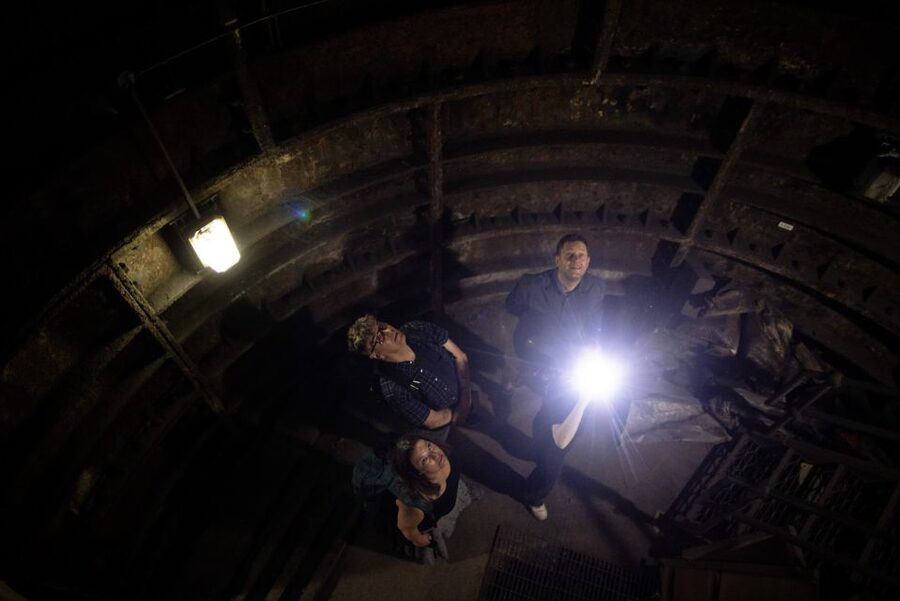
The tour includes a look at closed-off portions of the station, including original platforms, old lift shafts, and corridors that have been out of public reach for a long time. Some of these areas were last accessed by the public as far back as 1945, and the tour also highlights spaces that haven’t been used for over 75 years.
This is where the “hidden” part really earns its name. Original platforms aren’t just a vague nod to the past, they’re physical evidence of how passenger movement once worked. Old lift shafts and old corridors help you see how station operations evolved, because you’re watching infrastructure made for earlier needs.
If you like industrial details, this part will click. If you don’t, it still helps. Understanding lift shafts and hidden corridors makes the station’s public layout feel less random. You start to see the station as a layered machine, with older systems that shaped later ones.
The other practical takeaway is comfort planning. This area of the tour can involve stairs and uneven ground, and there are no elevators. So if you tend to get tired quickly or you’re carrying more-than-light bags, you’ll feel it by the time you reach the older infrastructure areas.
Learning the Underground Story From 1863 Through 16 Decades of Change
A good history tour doesn’t just say dates. It shows you why those dates mattered for daily life. Here, the Underground’s origin story in 1863 is the backbone, and Baker Street’s role helps make the timeline more specific.
The tour explains that Baker Street opened as part of the Metropolitan Railway and that the idea was revolutionary: carrying passengers beneath Victorian London’s congested streets. That context is more than trivia. It’s the key to why the spaces you’re walking through look the way they do.
Then your guide ties those early years to how the Underground grew and expanded over time. You’ll hear what the very first passengers thought, and you’ll hear how the Underground’s growth changed what stations had to do. Because Baker Street also served staff over the years, the story stays focused on operations, not just famous maps.
The best part is that you get the narrative tied to where you are standing. It’s hard to forget a corridor once you know what problem it solved and who used it.
How the Walking Route Affects Your Day, and What to Wear
This is a walking tour, 85 minutes long. That length is ideal for a compact “wow” experience, but it does require a realistic plan for your body.
Here’s what you can count on:
- walking in areas with uneven ground
- low lighting in parts of the station
- stairs throughout the route
- no elevators, so it’s not built for easy step-by-step access
So dress like you’re doing a lot of city walking, not like you’re popping into a quick exhibit. Comfortable shoes are a must. Avoid open-toed shoes since they’re not allowed. Bring water, and keep your hands free.
Food and drinks are not allowed, and luggage or large bags are not allowed either. If you’re traveling with a day bag, keep it compact so it doesn’t become a stress point in tight areas.
If you’re traveling with kids, the tour caps children aged 10 to 15 to a maximum of four per adult. It is not suitable for children under 10. If you’re traveling with a group that includes mixed ages, check with your party ahead of time so you don’t waste time deciding on-site.
Price and Value: Is $60 Worth It for Hidden Station Access?
At $60 per person, this isn’t the cheapest way to spend an afternoon in London. The value comes from access and from time with a guide who can connect the physical spaces to the Underground story.
Think about what you’re paying for:
- exclusive access to areas at Baker Street Station not seen by the public
- original platforms, old lift shafts, and corridors last accessed by the public decades ago
- guided walking time in a place that would normally be off-limits
- stories tied to the station’s operational headquarters role
If you’ve done standard sightseeing before, it’s easy to wonder if this is just another history walk. The difference here is that you’re standing inside rarely seen infrastructure. That’s hard to replicate at other stops because most station areas are built for transit flow, not visitor exploration.
Also, the tour is 85 minutes. That’s long enough for the story to make sense, but short enough that you’re unlikely to feel trapped for half a day underground. For me, the price looks fair when you treat it as paid access to spaces, not just narration.
With a reported rating of about 4.7 out of 5 across 51 bookings, it’s also a sign that people tend to feel they got what they came for.
Who Should Book This Tour, and Who Should Skip It
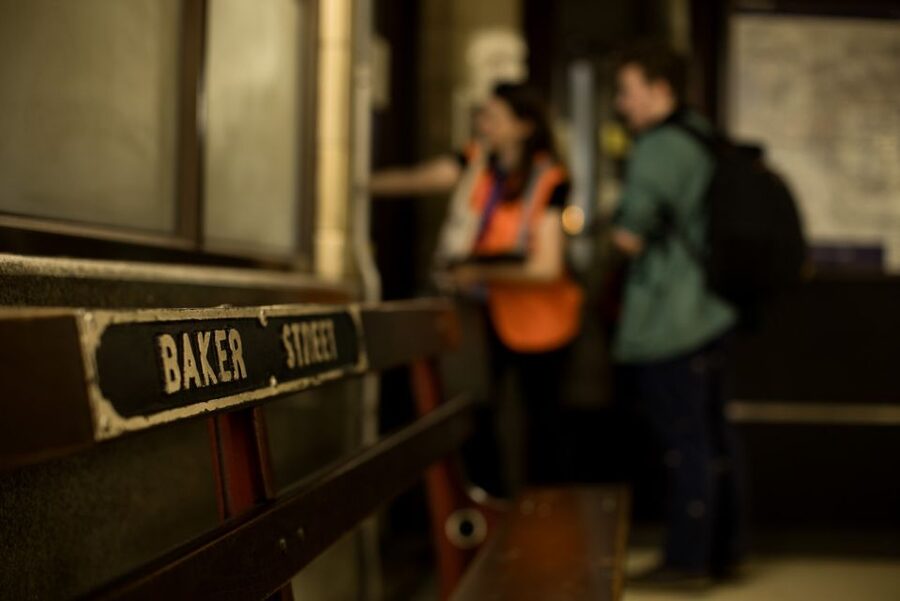
This tour is a great fit if you like the Tube as a system. You don’t have to be a rail fanatic, but you do need curiosity about how infrastructure works, and you should enjoy physical history you can see up close.
It’s also a good fit if you prefer guided detail over wandering on your own. You’ll get context that helps you understand why these areas exist and what they were used for.
On the other hand, skip it if you have mobility limitations that make stairs and uneven ground tough, since there are no elevators. Skip it too if you have claustrophobia. Some parts involve low lighting and enclosed-feeling station spaces, and this route isn’t designed as a calm, roomy stroll.
If you’re deciding with kids, the age rule is important. It’s for ages 10 and up, with limits on how many older children can go per adult. That keeps the group manageable in tighter areas.
Final Call: Should You Book the Hidden Baker Street Station Tour?
Book it if you want a Tube experience that goes beyond platforms and signage. You’ll get exclusive access to closed station spaces like original platforms, old lift shafts, hidden corridors, and staff areas such as the rifle range, all tied to the Underground’s origins from 1863 and its growth over time.
Don’t book it if you need step-free access or you get uncomfortable in low-light, enclosed areas. The tour is active, includes stairs, and has no elevators, so comfort planning matters.
If you match the conditions, this is the kind of London activity that changes how you see the city, because you’ll leave with a new mental map of Baker Street Station and the Underground behind it.
FAQ
How long is the London Hidden Baker Street Tube Station tour?
The tour duration is 85 minutes.
Where do I meet the guide?
Meet your guide outside Baker Street Underground Station, in front of the Sherlock Holmes statue.
What is included in the price?
The included item is a guided walking tour.
How much does the tour cost?
The price is $60 per person.
What languages is the tour offered in?
The tour is offered in English.
Is the tour suitable for people with mobility impairments?
No. The tour is not suitable for people with mobility impairments.
Is the tour suitable for children?
It is not suitable for children under 10. There is a maximum of four children aged 10 to 15 allowed per adult.
What should I bring?
Bring comfortable shoes and water, plus a passport or ID card.
Are food and drinks allowed?
No, food and drinks are not allowed.
What is the cancellation policy?
You can cancel up to 24 hours in advance for a full refund.
Recently reviewed around London
- London: Harry Potter Walking Tour with Platform 9 3/4★ 4.6 · 37 reviews
- London: Harry Potter Tour & The London Dungeons Tour★ 3.8 · 28 reviews
- London: Harry Potter Tour, River Cruise & The London Dungeon★ 4.4 · 8 reviews
- London: Harry Potter Walking Tour and River Thames Cruise★ 3.6 · 24 reviews
- London: Harry Potter Tour and London Bridge Tombs Experience★ 3.8 · 4 reviews
- London: Harry Potter Walking Tour and Tower Bridge Ticket★ 4.4 · 7 reviews
- London: Harry Potter Walk, Hop-on Hop-off Bus Tour & Cruise★ 4.1 · 105 reviews
- London: Harry Potter Sights and Shrek’s Adventure Combo Tour★ 4.6 · 3 reviews
Sherlock Holmes Tours, compared.




Browse the lists this tour appears in