
Reviewed · JACK THE RIPPER TOURS
London: Jack the Ripper Walking Tour
Jack the Ripper tours work because they turn a city into a story you can walk through. This one threads you through Whitechapel and Spitalfields, where cobbled streets, old brick lanes, and real locations help make the unsolved case feel startlingly close to the present.
I like two things right away. First, you get photo evidence and a case study as part of the tour, not just spooky talk. Second, the experience includes a guided route through historic neighborhoods, plus stops where you can actually see the streets tied to the canonical five murders.
One thing to think about: the subject is genuinely grim. The tour notes that details of the killings may not be suitable for all ages, so plan accordingly for anyone under 18.
Key highlights you will feel on the walk
- Meet outside The Bell Pub near Aldgate station, a classic starting point for East End history and street-level context
- Photo evidence and case study material are built into the tour so you are not relying only on narration
- A short total walking time (about 45 minutes) inside a 2-hour experience means you can still enjoy the rest of your day
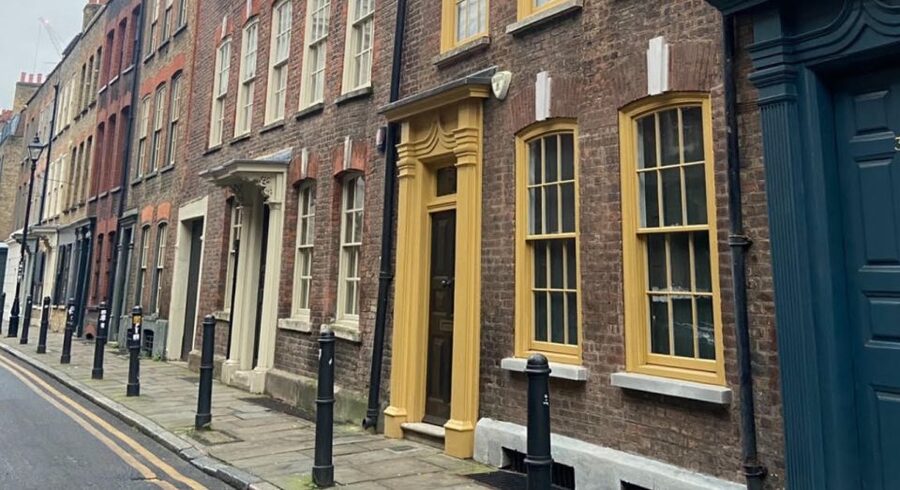
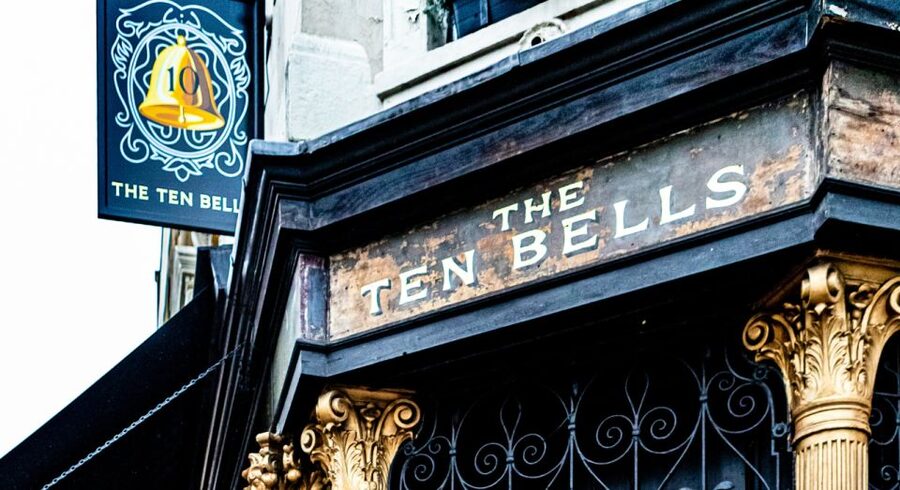
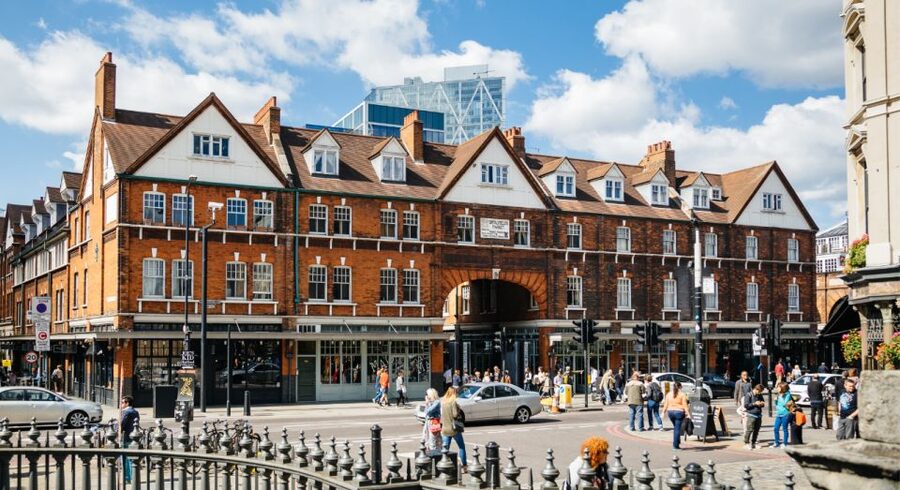
- Multiple photo stops (Fournier Street, Ten Bells, London Fruit Exchange, White’s Row) that anchor the story to real places
- Historic architecture stops, including French Huguenot buildings from the late 1700s and old-pub culture on Brick Lane
- Interactive Ripperology guiding, with named guides like Jamie and Ryan praised for keeping it lively and answering questions
A 2-hour Jack the Ripper walk through Whitechapel and Spitalfields
London has plenty of ghost stories. This one is different because it is grounded in a specific place, Whitechapel, and in a case file style approach. You are not just hearing legends. You are being taken to the streets tied to the canonical five murders, then shown supporting material like photographs and a case study.
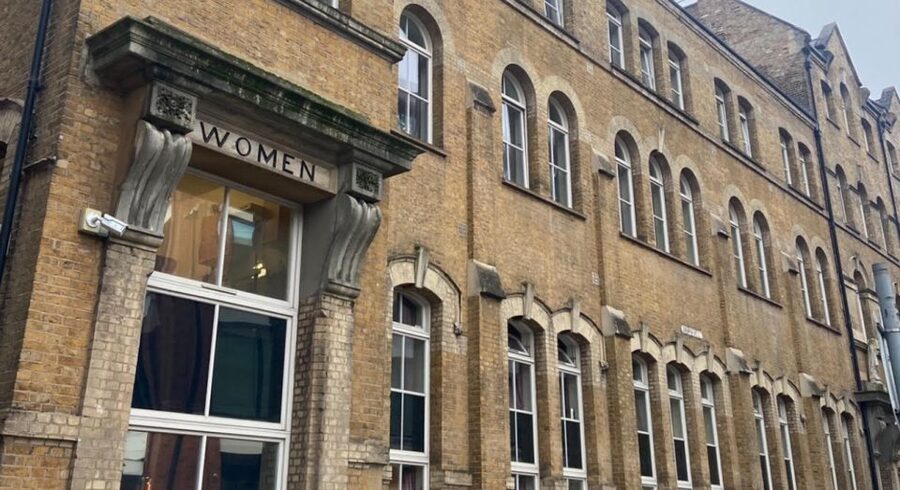
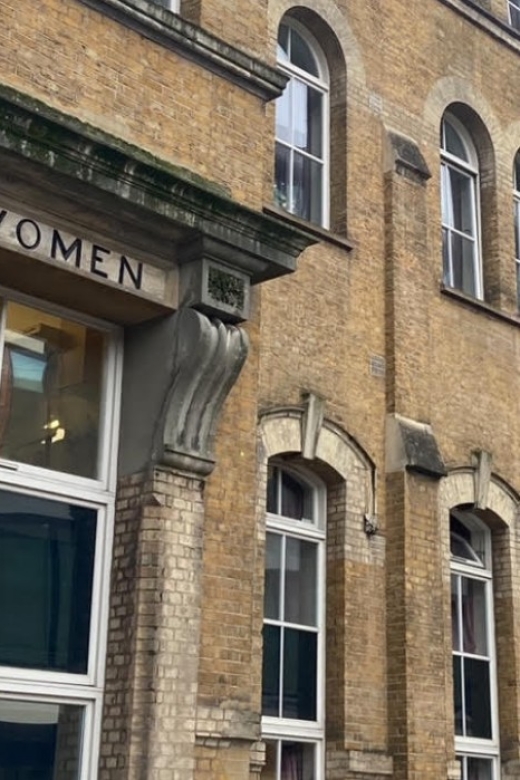
The tour also leans into what makes the East End feel distinct. You will be in one of London’s oldest areas, where remnants of Victorian London can still be spotted. Along the way, you also get to notice architecture details, like French Huguenot buildings from the late 18th century. That matters, because it helps you see how the neighborhood itself shaped daily life in that era.
This is a true crime experience, but it is also a practical walking tour. You get a structured route, clear timing, and a guide who helps you follow along street by street. If you like your history with street edges and context, this fits well.
More Jack the Ripper walks:
- London: The Original Jack the Ripper Walking Tour
★ 4.7 · 7,833 reviews - London Jack the Ripper Guided Tour with Ripper-Vision
★ 4.5 · 4,840 reviews - London: Jack the Ripper Small Group Tour
★ 4.7 · 3,159 reviews
Where you meet outside The Bell Pub, and how the timing really works
You meet outside the Bell Pub near Aldgate station. The exact starting point can vary a bit depending on which option you book, but the Bell Pub is the anchor. The tour ends back near the Aldgate area, with the finish at Aldgate Station.
The total time is listed as 2 hours, and the tour notes that you will be walking for roughly 45 minutes. That ratio is a big deal. It means you spend a lot of the time stopped, looking, and listening, instead of doing a long grind across the city. You also have time to pair this with dinner, a museum, or a pub crawl the same evening.
One more practical point: it runs rain or shine. Bring comfortable shoes and weather-appropriate clothing, and you will be glad you did when the cobbles get slick. If you want a smoother experience, plan your day so you are not rushing from one activity to another right after the tour.
The stop-by-stop route, from Whitechapel cobbles to Aldgate Station
This walk has a steady rhythm: cobbled streets, then brief clusters of explanation, then photo stops that ground the story in place. Here is what each part tends to offer and what to watch for.
Stop 1: The Bell Pub near Aldgate Station
The tour begins by getting you oriented. Meeting at The Bell Pub is useful because it is a real, recognizable place in the neighborhood. It also sets the tone for the East End setting you will cover next.
If you arrive early, you can use the time to get your bearings. The guide starts with context before you head into the specific murder locations, and that helps the rest of the route make sense.
More walking tours in London:
- Magical London: Harry Potter Guided Walking Tour
★ 4.7 · 22,044 reviews - Tour for Muggles The Ultimate Harry Potter Walking Tour in London
★ 5.0 · 4,684 reviews - London Jack The Ripper Guided Walking Tour
★ 5.0 · 3,131 reviews - London: Harry Potter Movies Walking Tour (Kids Go Free)
★ 4.7 · 3,071 reviews
Stop 2: Whitechapel on foot with your Ripperologist guide
Whitechapel is the core of the experience. This is where you explore the cobbled streets and hear the story connected to the case. The guide keeps the focus on the neighborhood itself, not just the headline facts.
Expect the tour to slow down here. You are moving through older streets where the buildings and narrow lanes help explain why the case became so hard to solve. It also helps that you are seeing the actual streets rather than scanning a map.
Stop 3: Brick Lane for photo stops and old-pub vibes
Brick Lane shows up as a photo stop and sightseeing moment. The tour highlights Brick Lane as a place known for some of the finest old pubs in London. That is more than a throwaway detail. It is a reminder that this neighborhood has always been about community spaces, and those spaces influence the rhythm of life in any community.
The practical side: Brick Lane can feel busy depending on the day and time. If crowds build, the guide typically works to keep the group together and keep the story audible.
Stop 4: Fournier Street photo stop and location-based clues
Fournier Street is another photo stop and sightseeing segment. This is where the tour starts doing what it does best, tying narrative to exact places. You are not just hearing that something happened. You are being shown where people were found and discussed through case material.
Because this is a walking tour with frequent stops, keep your pace smooth. If you stop, pause, listen, then move on, the route stays easy to follow.
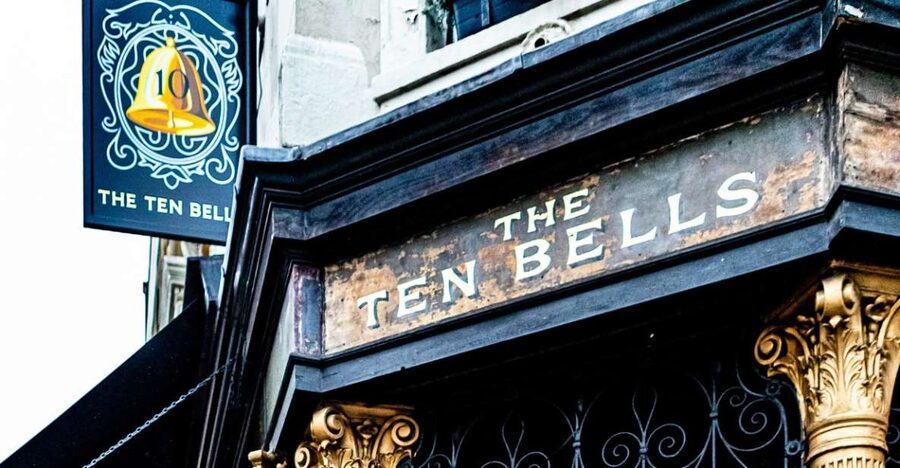
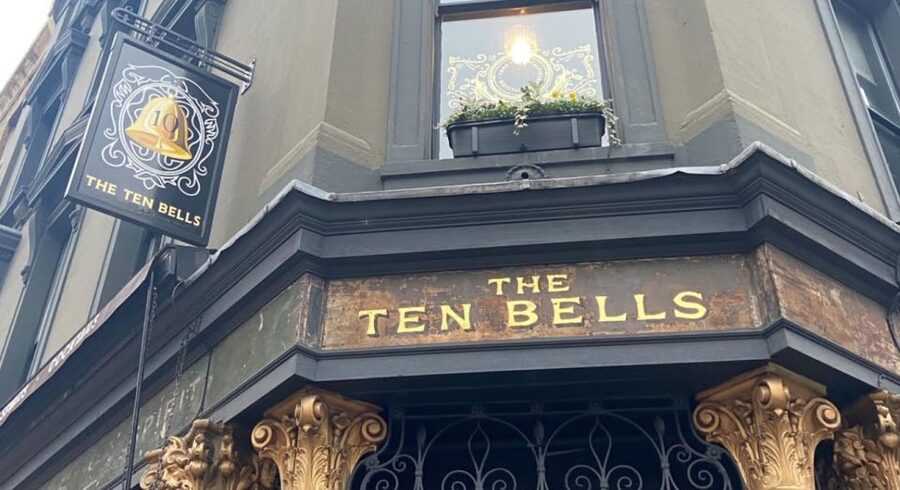
Stop 5: Ten Bells in Spitalfields, one of the most photographed stops
The Ten Bells Spitalfields is listed as a photo stop and sightseeing point. This is one of those locations that tends to pull you in visually. Even if you are not a true crime superfan, it is the kind of place that makes you look around and notice the street shape and nearby buildings.
If you have seen photos of the area before, you will probably recognize it fast once you are standing there. That is the value of photo stops, you confirm the story’s geography with your own eyes.
Stop 6: Spitalfields streets, more context, more place-making
You will hit Spitalfields again with another photo stop and sightseeing segment. This stretch is about building a sense of how the neighborhood fits together. The guide discussions tend to connect what you see on the street to the theories people have offered about the identity of the killer.
That is a key part of the tour’s tone. It does not just say Jack was never caught. It explains why so many different theories gained traction and how the case details fed them.
Stop 7: London Fruit Exchange for a big-name stop
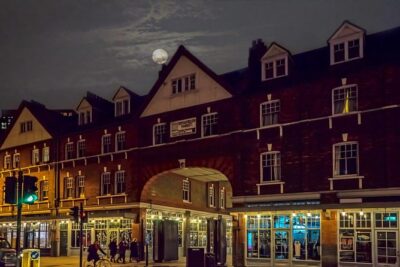
London Fruit Exchange appears as a photo stop and sightseeing point. Even if you do not know the building by name, it works as a visual anchor. It helps you switch from narrow street corners to larger landmarks, which is useful when you are trying to build a mental map of the area.
As with other photo stops, the best approach is to pause, look, and listen without trying to multitask with your phone. Your brain will file the location better that way.
Stop 8: White’s Row, another location you can stand in
White’s Row is also listed as a photo stop and sightseeing segment. The tour uses these stops to place the canonical five murders in a real, walkable sequence.
What I like about this style is that it keeps you from turning the story into pure myth. Even when the identity theories get discussed, you are still returning to specific places.
Stop 9: Artillery Passage, narrow and story-relevant
Artillery Passage is another photo stop and sightseeing segment. Narrow passageways can feel especially eerie in London because you get a strong sense of direction and enclosure. That physical feeling helps the stories land.
The practical takeaway is simple: wear shoes you trust. You may be stopped and looking for a few minutes at a time, and cobbles plus rain are not where you want to discover your shoes were a bad idea.
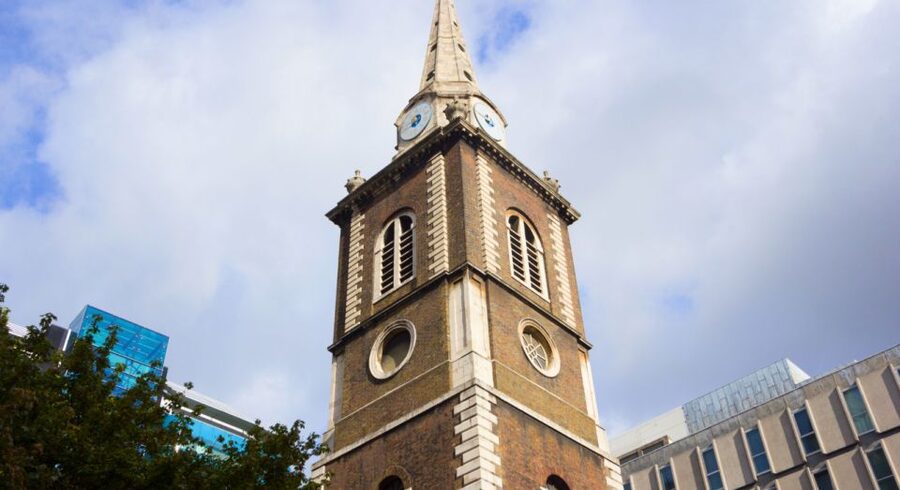
Stop 10: St Botolph without Aldgate, a calm visual punctuation mark
St Botolph without Aldgate appears as a photo stop and sightseeing segment. This is the kind of stop that can reset your brain a bit. When you spend a whole evening in darker subject matter, having a landmark like a church building gives you a visual punctuation mark.
It also helps you reorient the route so your mental map is not just a chain of corners. You can remember the stop as a clear landmark.
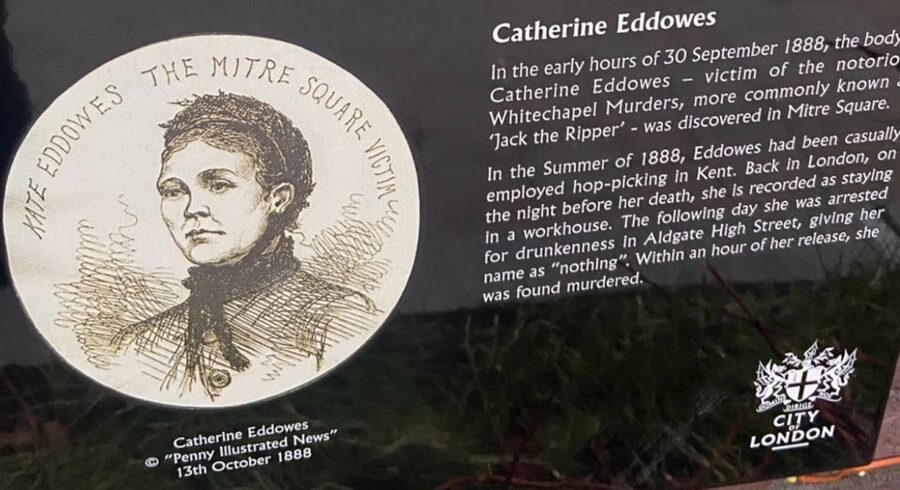
Stop 11: Mitre Square, then you finish at Aldgate Station
Mitre Square is another photo stop and sightseeing point, followed by finishing at Aldgate Station. Closing near Aldgate makes sense. It is convenient for transport and keeps the day from getting stretched out.
By the time you reach the finish, you will likely feel the route in your legs. But because the tour notes only about 45 minutes of walking, you will still have energy left to do something fun after.
What makes the tour stand out: case files, photos, and theories
A lot of Jack the Ripper tours fall into two camps. Some are pure storytelling. Others are trivia marathons. This one mixes storytelling with a case study approach, and that balance is a big reason it has strong ratings.
The big promise is that you will see photographic evidence and copies of a case study. That means you are not only hearing claims. You are also being shown material tied to the murders. For a true crime fan, that is the difference between entertainment and an experience that feels like you are learning the framework of the case.
The tour also covers various theories about who Jack the Ripper might have been. The goal here is not to force one answer. It is to help you understand why the case has remained unsolved, and why each theory latches onto particular details.
This part also shapes the emotional tone of the tour. Because you are looking at photos and case material, the stories land as an investigation, not just a horror reenactment. Guides often keep it interactive too, and named guides like Jamie and Ryan are praised for being engaging, asking questions, and handling the pacing so the group can hear and follow along even when a location is busy.
French Huguenot architecture and Brick Lane pubs, the human backdrop to the case
One of the most practical strengths of this tour is that it does not keep you stuck in one grim frame. It shows you the neighborhood layers.
You are told to look out for French Huguenot architecture from the late 18th century. That gives you a real sense of immigration, craftsmanship, and how the area evolved. It also changes the way you picture the case. Instead of seeing only “crime scenes,” you start seeing a place where people lived, worked, and built their lives within real streets and real buildings.
Then you have Brick Lane and its old-pub culture as a sightseeing moment. That matters because it reminds you the East End is not a museum set. It is still a living neighborhood with community anchors.
If you are doing this tour as part of a broader London trip, this mix is exactly what you want. It keeps the experience from being a single-note, all-dark storyline.
Guide energy matters, and names like Jamie and Ryan show up often
The human part of a walking tour is huge. You can have the best route in the world, but if the guide drones, it turns into a chore.
Here, guides are described as lively and interactive. Jamie shows up as a standout guide in feedback, praised for storytelling that feels realistic and for a knack at keeping questions coming. Ryan is also singled out for friendly, engaging explanations and for answering questions while keeping the group moving.
You will also want to know the tour includes content notes. The tour states that details of the killings may not be suitable for all ages, and under-18 participants must be accompanied by an adult. In practice, guides are described as checking in with younger teens before showing more graphic images.
So if you are worried about how the content will be handled, you can feel a lot more confident that the guide will pace it and manage the group responsibly.
Who should book this Jack the Ripper walking tour
This is a great fit if you:
- Love true crime but also want place-based context, not just generic facts
- Prefer guided walking that mixes story with visuals like photos and case study material
- Want a short, focused evening plan, since it is 2 hours total with about 45 minutes of walking
It may not be the best choice if:
- You are looking for a light, funny neighborhood stroll. This is real subject matter with grim details.
- You have very young kids or anyone sensitive to graphic content. The tour explicitly warns about suitability.
It also works well for couples, small groups, and anyone who enjoys asking questions during a walking tour. Private group options exist, and private tours include a free guide book you can use during the walk or afterward.
Price and value: $21.55 for a guided case-file style night walk
The price is $21.55 per person, and the value depends on what you want.
If you think of this as an evening guided walk through Whitechapel, it is very reasonable. You get a live guide, a structured route with multiple stops, and more than just narrative. The included case study and picture evidence add real “learning value” to what you pay.
At the same time, it is not a tour that includes food or drinks. You will want to plan a snack or plan dinner either before or after.
For many people, this price also makes it easier to try a true crime experience without committing to a half-day. You can book it, get the main story, and still keep the rest of your London day flexible.
What to expect on the ground: shoes, rain, and content notes
This tour runs rain or shine. Comfortable shoes are a must. The route includes cobbled streets and frequent photo stops, so you should dress for walking and for the weather.
The tour also has a clear age note. All ages are welcome, but anyone under 18 must be accompanied by an adult. It also warns that details of the Jack the Ripper killings may not be suitable for all ages. If you are traveling with a mixed-age group, decide in advance what everyone can handle.
Finally, the tour notes there is roughly 45 minutes of walking within the 2-hour experience. If you are mobility-limited, you can feel reassured that the walk is not designed to be a long-distance hike. Wheelchair access is listed as available.
Should you book the London Jack the Ripper Walking Tour?
Yes, if you want a true crime London experience that stays grounded in street-level reality. I especially like that the tour includes photo evidence and a case study, plus a route that connects the story to specific places in Whitechapel and Spitalfields.
Book it if you care about the neighborhood itself, not just the villain. Whitechapel and Spitalfields can feel like a character in the story, and the tour uses architecture details like French Huguenot buildings and the Brick Lane setting to make that real.
Skip it, or at least reconsider if you know you or your group is sensitive to graphic details. The tour may include images and covers gruesome subjects, and it explicitly flags that content may not work for everyone.
If you are a fan of walking tours where you can ask questions and leave with a clearer mental map of the case, this one is an easy yes.
FAQ
Where does the tour start?
You meet outside the Bell Pub near Aldgate station. The exact meeting point may vary depending on the option you book.
How long is the London Jack the Ripper walking tour?
The tour duration is 2 hours.
How much walking is involved?
The tour involves roughly 45 minutes of walking.
Is the tour wheelchair accessible?
Yes. Wheelchair accessible is listed.
Does the tour run rain or shine?
Yes, the tour takes place rain or shine.
Is food included?
No. Food and drinks are not included.
Are minors allowed?
All ages are welcome, but anyone under 18 must be accompanied by an adult. The tour also notes the details of the killings may not be suitable for all ages.
What should I bring?
Wear comfortable shoes and dress in weather-appropriate clothing.
Recently reviewed around London
- London: Harry Potter Walking Tour with Platform 9 3/4★ 4.6 · 37 reviews
- London: Harry Potter Tour & The London Dungeons Tour★ 3.8 · 28 reviews
- London: Harry Potter Tour, River Cruise & The London Dungeon★ 4.4 · 8 reviews
- London: Harry Potter Walking Tour and River Thames Cruise★ 3.6 · 24 reviews
- London: Harry Potter Tour and London Bridge Tombs Experience★ 3.8 · 4 reviews
- London: Harry Potter Walking Tour and Tower Bridge Ticket★ 4.4 · 7 reviews
- London: Harry Potter Walk, Hop-on Hop-off Bus Tour & Cruise★ 4.1 · 105 reviews
- London: Harry Potter Sights and Shrek’s Adventure Combo Tour★ 4.6 · 3 reviews
Jack the Ripper Tours, compared.
London Jack the Ripper Guided Tour with Ripper-Vision
Read our review →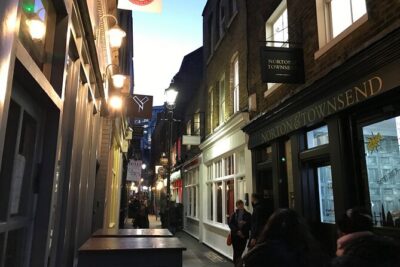

German Language : Original Jack the Ripper Tour
Read our review →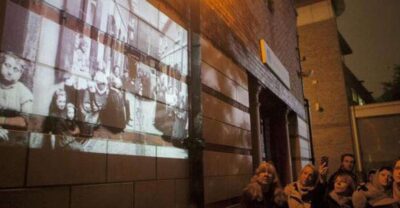
Jack the Ripper Walking Tour – Ripper Vision Tours
Read our review →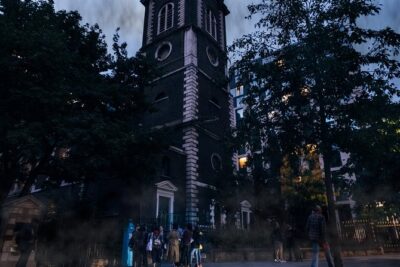
Ultimate Jack the Ripper : Guided Tour of London
Read our review →
Browse the lists this tour appears in