
Reviewed · MUSEUMS
London: National Gallery of London Masterpieces Guided Tour
The National Gallery can feel like you’re standing in front of a huge art textbook, so this guided tour is a smart way to make it readable. In about 2.5 hours, you follow the changes in painting style from the 1300s to later masterpieces, with a live guide helping you see what matters.
I especially like the way the tour points you toward specific works that most people rush past. You get to spend real time with standout paintings like Da Vinci’s The Virgin of the Rocks and Van Gogh’s Sunflowers, with commentary that connects the art to the time and the ideas behind it. The second thing I like is how the experience can feel interactive, with guides such as Jake and Steph described as engaging and easy to follow.
One possible drawback is sound. The museum environment can be noisy, and Bluetooth headsets are not something this tour lists as included, so if you rely on lip-reading or need extra clarity, plan for that.
Key things to know before you go

- A tight 2.5-hour route through 1300s onward so you do not lose your bearings in a big museum
- Live English commentary with guides like Jake, Steph, Stephanie, Matilda, and Kathy who stay focused on the art
- Major masterpieces are named up front, from Da Vinci and Van Gogh to Vermeer and Velázquez
- Small groups, max 8 people for a more personal pace, with private options also available
- No large bags or luggage, so pack light and keep it simple
A 2.5-Hour Art Walk Through the National Gallery’s 1300s to Modern Era

This tour is designed for one main goal: helping you understand how European painting changes over time, without needing a degree. The National Gallery has works from the 1300s onward, and the guide turns that giant collection into a story you can actually follow in a short visit.
You move through key moments in the evolution of art, with stops centered on famous names and specific masterpieces. You are not just staring at frames and hoping you get it. Instead, the guide helps you connect technique, symbols, and themes to what artists were trying to do in their own era.
The time limit matters. Two and a half hours is long enough for thoughtful explanation, but short enough that you will not be dragged through rooms at a pace that feels punishing. I like tours like this because you leave feeling like you learned something specific, not just that you saw a lot of paintings.
If you want a tour that feels like a guided narrative, this hits the sweet spot.
More museum visits in London:
- Tower of London and Crown Jewels Exhibition Ticket
★ 4.5 · 6,677 reviews - London: Chelsea Football Club Stadium and Museum Tour
★ 4.8 · 4,576 reviews - Chelsea FC Stadium Tours and Museum
★ 5.0 · 1,908 reviews
Start With the Renaissance and Devotional Works That Teach You How to Look
A big part of the experience is learning how to look. Early paintings can be hard if you only know modern styles and modern expectations. The guide helps you notice the clues artists build into a scene, from religious storytelling to symbolism and composition.
You will get early anchors from the Renaissance and earlier periods, including mention of Raphael and devotional works. The tour also points you toward Botticelli’s Venus and Mars, which is a great example of how mythology and symbolism show up in a way that feels different from what people expect when they hear the word Renaissance.
As you listen, you learn what to check first when you stand in front of a painting. People often look at faces only. This kind of tour trains your eye to scan for the big visual ideas, then connect those ideas to the time period.
This is where live guiding really earns its keep. One person noted how their guide created a space for dialogue and observation, which is exactly what you want when you are trying to understand why artists painted what they did.
Da Vinci, Botticelli, Raphael, and the Symbols You Would Miss on Your Own
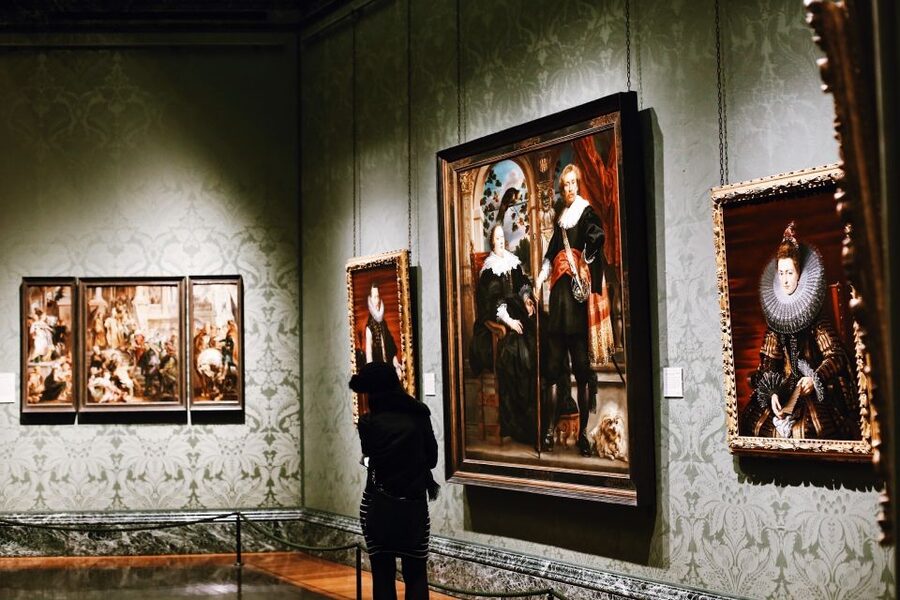
If you like famous artists but want more than name-dropping, you will enjoy this part of the tour. The guide uses major works as turning points, so each stop feels like it changes your understanding rather than repeating the same explanation.
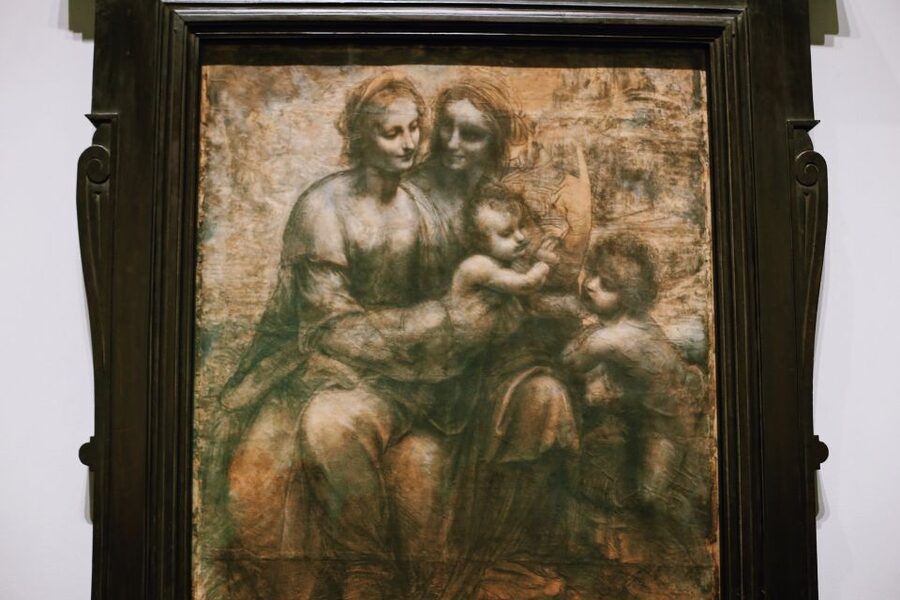
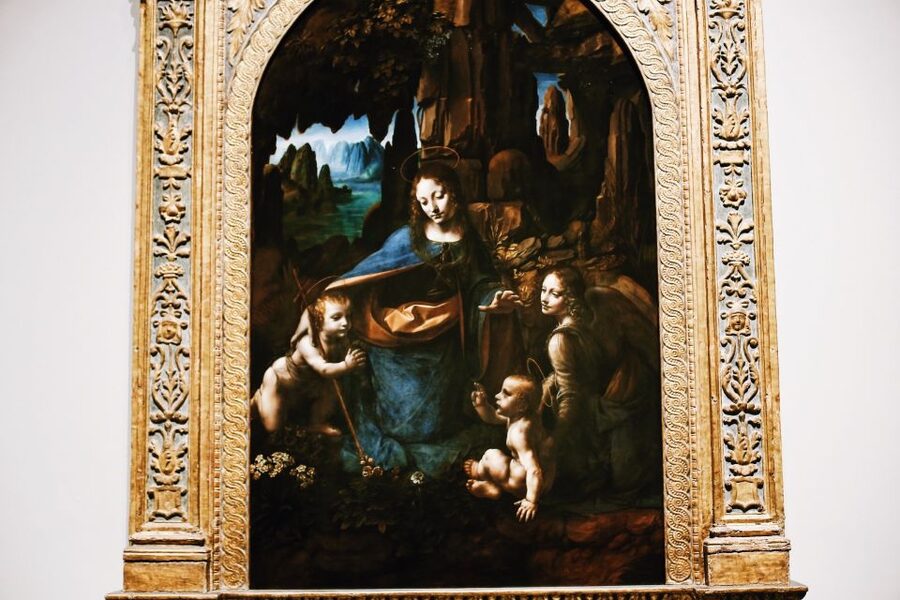
A standout is Da Vinci’s The Virgin of the Rocks. Da Vinci can feel intimidating because people assume you either know his genius or you do not. With a guide, you get a practical lens for what to look at, so the painting becomes easier to read. You also get help jumping from the details in the paint to the wider context of High Renaissance ideas.
Then Botticelli’s Venus and Mars connects mythology to painting language. You start noticing how artists use pose, expression, and setting to communicate more than a simple story.
Raphael is also included through early devotional painting examples. That is a good move for the tour because devotional art teaches you a lot about how viewers in that era understood images. Modern eyes often treat these works like art-only objects. Here, you learn how they worked for viewers who came to them with specific cultural expectations.
Guides named in the experience feedback, including Jake and Matilda, are praised for enthusiasm and for helping people ask questions and stay engaged. That matters in a room full of paintings, because you want the guide to keep your attention where it counts.
From Dutch Master Portraits to Van Gogh Sunflowers
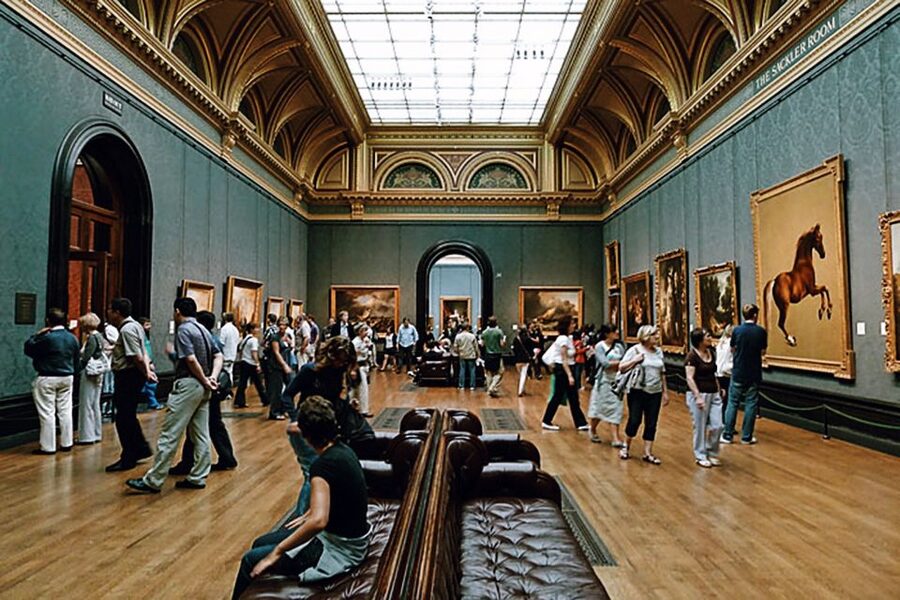
As the tour moves forward in time, you see how different regions shaped different artistic priorities. This is where Dutch Golden Age art becomes extra fun because it is so focused, so controlled, and so full of small visual storytelling.
You will hear about Vermeer, with Lady Standing at a Virginal as one of the named highlights. Vermeer is famous, but the tour approach helps you slow down and look at what the painting is really doing, not just that it looks peaceful. You get context that helps the domestic scene make sense as a composed image with purpose.
Rembrandt is also mentioned as part of the art-history journey. Even if you are not a Rembrandt specialist, the guide helps you see what makes his era and approach distinct.
Then comes Van Gogh’s Sunflowers, which is a great contrast to the earlier precision-heavy styles. Van Gogh feels emotional and direct. With live commentary, you can connect that intensity to how the art world was changing and what artists were willing to push beyond realism.
This mix of eras is the value of the tour: you see the swing from careful structure to expressive color and from religious themes to scenes that carry different kinds of meaning.
One comment I liked from the experience feedback is how some guides made the tour easy to understand even when English was not the visitor’s native language. That is a big deal in a museum full of background noise.
A few more London tours worth a look
- Magical London: Harry Potter Guided Walking Tour
★ 4.7 · 22,044 reviews - London: Emirates Stadium Entry Ticket and Audio Guide
★ 4.7 · 5,513 reviews - Stonehenge, Windsor Castle and Bath Full Day Guided Tour
★ 4.5 · 5,346 reviews - London Jack the Ripper Guided Tour with Ripper-Vision
★ 4.5 · 4,840 reviews
Seurat’s Bathers at Asnières and the Moment Art Starts Changing Fast
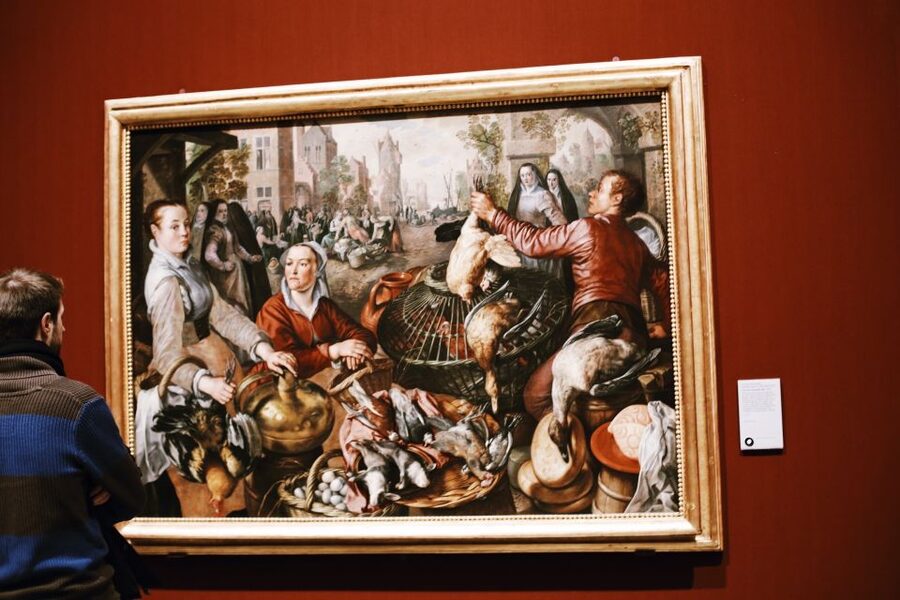
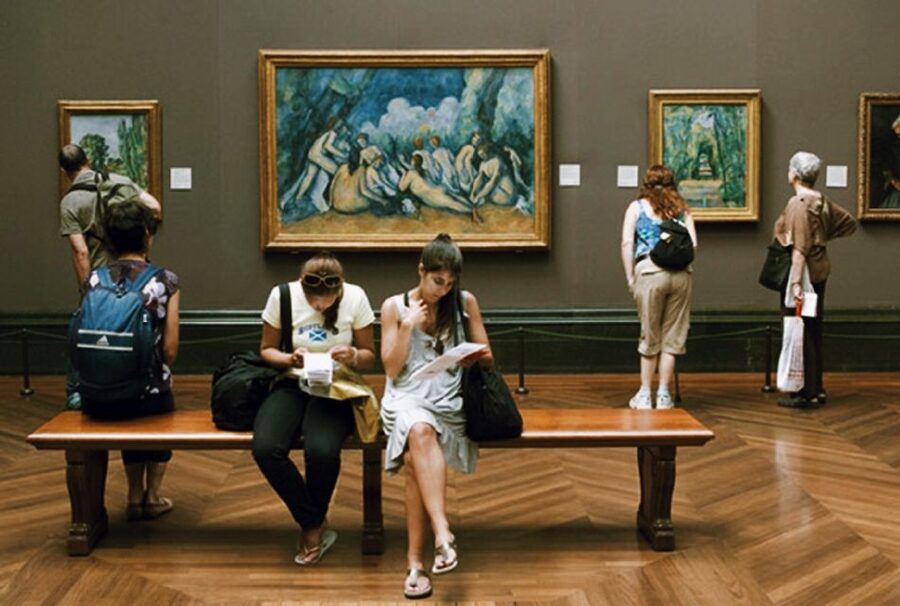
Later painting is where the tour really becomes a lesson in how style evolves. Seurat is included through Bathers at Asnières, and this is a smart highlight because it signals a shift in attention toward how light and form are constructed.
Pointing you to Seurat is also a practical way to learn something you cannot easily pick up on your own. Post-impressionist and related approaches can feel like they break rules unless someone explains what you are seeing. A guide can connect that to the bigger theme of the tour, which is how artists changed their visual language over centuries.
This stop also sets you up to appreciate why the tour keeps moving forward in time. If you only look at one era, everything feels flat. When you see how one era’s approach leads into the next, the museum starts to make sense.
And yes, you also get the kind of historical threading that helps you place paintings like Velázquez’s Rokeby Venus into the broader shift toward newer European standards of portraiture and composition.
That combination, Seurat plus Renaissance names plus Dutch masters, is not random. It is the tour’s method for teaching art as a timeline of decisions.
Group Size and Pacing, Why Small Groups Work Best Here
The tour runs as either private or small group, with a maximum of 8 people. That size matters. In a big museum, small groups are easier to manage and less chaotic for the guide, which tends to make the explanations sharper.
Pacing is also a theme. One guide, Jake, was specifically praised for being well-paced and interactive. Another guide, Steph or Stephanie depending on how the name was listed, was praised for making the experience fun while still giving clear explanations.
You can also choose how you want to experience it. Private options are great if you want a calmer pace and the chance to ask questions without watching other people’s attention spans. Small group options are often more social and energizing, which can be a big plus if you are visiting with family or friends.
Small group tours can run with a minimum of 2 people. If that minimum is not met, you should expect an alternative date or a full refund. I see that as fair. It also means you are not usually stuck with an empty session.
One last note on pacing: there is a small amount of walking. This is not a strenuous day, but it is not a sit-down lecture either. Wear shoes you can stand in.
Price and Value for $112, What You Get For That Time
At $112 per person for about 2.5 hours, you are paying for interpretation, not admission. Admission to the National Gallery is separate, and this tour’s value is the professional live guide plus the selection of masterpieces tied together as an art-history storyline.
Here is how I think about the math. If you spend 2.5 hours wandering solo, you might see a lot of famous paintings, but you will not automatically understand why they look the way they do. This tour tries to give you that “why” at each stop, with explanations that connect paintings by era and technique.
The guide also handles the hard part for you: choosing what to look at and how to sequence it so you do not feel lost. One of the strongest praises was about guides keeping people engaged and helping them understand even in a crowded gallery.
Are you getting every painting in the National Gallery? No. But that is not the point. You are getting a focused set of major works, framed as a timeline from the 1300s onward, with live commentary in English.
If you love art, this is a solid use of a short London window. If you only want quick photo stops, it may feel like a slower, more explanatory experience than you expected. But if you are the type who wants to understand what you are seeing, the value is real.
Before You Go, Meeting Point, ID, and Bag Limits Inside the Museum
A couple of practical details can save you stress. The meeting point may vary depending on the option you booked, so confirm it before you leave. Hotel pickup and drop-off is not included, so plan to arrive on your own and build in a little buffer.
You should bring a passport or ID card. The tour also does not allow luggage or large bags. If you tend to travel with bigger carry-ons, this is the moment to downsize or store your bag before the tour.
Since there is a small amount of walking, keep your day plan simple. This is not the best time for a long food stop right before, unless you know you have time to get through museum entry smoothly.
Accessibility is tricky here. The information notes that wheelchair-friendly tours are available upon request only, yet it also says it is not suitable for wheelchair users. If this matters for you, the safest move is to contact the operator ahead of time and confirm what they can offer.
Should You Book This National Gallery Masterpieces Guided Tour?
I’d book it if you want a guided path through major works, not a vague museum stroll. The experience is built around named highlights like Da Vinci’s The Virgin of the Rocks, Botticelli’s Venus and Mars, Vermeer’s Lady Standing at a Virginal, Van Gogh’s Sunflowers, Velázquez’s Rokeby Venus, Raphael devotional painting examples, and Seurat’s Bathers at Asnières. That is a strong lineup for learning across eras.
It is also a great pick if you care about clarity and engagement. Multiple guides named in the feedback, including Jake, Steph or Stephanie, Matilda, Alex, Becky, and Kathy, were praised for being easy to understand, fun, and interactive. If you have hearing aids, one person specifically said they had no trouble understanding their guide even in a crowded museum, which is reassuring.
I would think twice only if sound issues are a major concern for you, because the tour does not list any headsets. The gallery can be noisy, and one piece of feedback wished for Bluetooth headsets. If you know you struggle in that setting, consider bringing your own listening support and positioning yourself where you can see the guide.
FAQ
How long is the London National Gallery Masterpieces guided tour?
The tour lasts about 2.5 hours.
What does the tour cost?
It costs $112 per person.
Is this a private tour or a small group tour?
It is offered as either a private option or a small group tour with a maximum of 8 people.
Which artists and artworks are included in the highlights?
The highlights include paintings by Da Vinci (The Virgin of the Rocks), Van Gogh (Sunflowers), Botticelli (Venus and Mars), Vermeer (Lady Standing at a Virginal), Velázquez (Rokeby Venus), Seurat (Bathers at Asnières), and early devotional painting examples by Raphael, plus mentions of Monet, Rembrandt, and other artists connected to the tour’s art-history story.
Where is the meeting point?
The meeting point may vary depending on the option you book.
Do I need to bring ID, and can I bring luggage?
Bring a passport or ID card. Luggage or large bags are not allowed.
Can I cancel, and is there a pay later option?
Yes. You can cancel up to 24 hours in advance for a full refund, and the tour offers a reserve now and pay later option.
Recently reviewed around London
- Bridgerton Tour in London★ 5.0 · 9 reviews
- Tour in Italian: Londra in un Giorno★ 4.9 · 20 reviews
- London in Spanish Privado: Lo Mejor de Londres en un día!★ 4.8 · 12 reviews
- Westminster and National Gallery 3.5-Hour Tour in Italian★ 4.9 · 28 reviews
- Top London Sights Tour – Christmas Day Special!★ 5.0 · 12 reviews
- Tour a Piedi di Harry Potter a Londra★ 5.0 · 20 reviews
- The Royal Express, 2.5 hour tour★ 5.0 · 6 reviews
- London: Royal Hampton Court Guided Tour with Afternoon Tea★ 5.0 · 67 reviews
Museums, compared.

Tower of London and Crown Jewels Exhibition Ticket
Read our review →
Chelsea Football Club Stadium and Museum Tour
Read our review →
Official tickets: Moco Modern & Contemporary Art Museum
Read our review →
British Museum London Guided Tour Semi-Private 8ppl Max
Read our review →
Browse the lists this tour appears in