
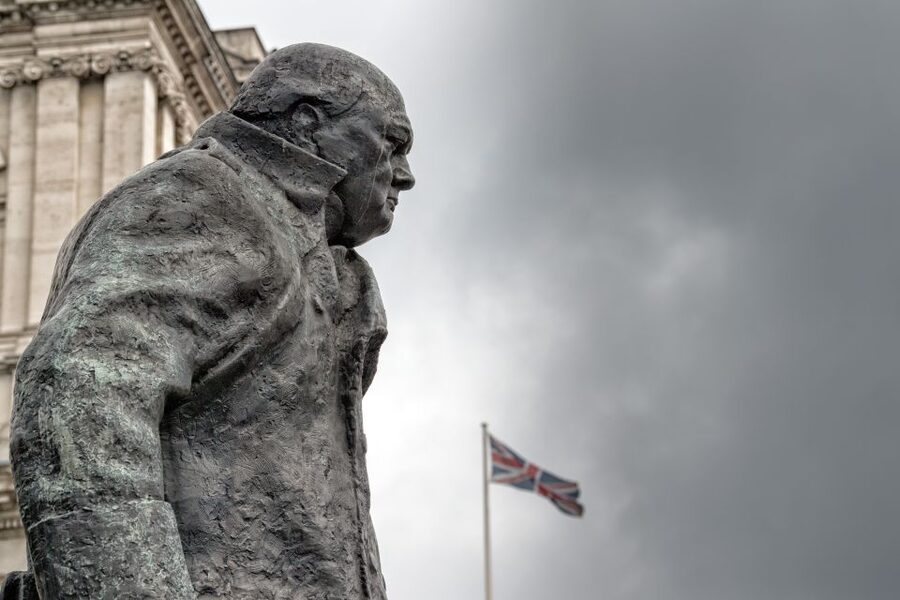
Reviewed · CHURCHILL WAR ROOMS TOURS
London: Westminster WW2 Tour & Churchill’s War Rooms Ticket
World War II history in London can feel huge and abstract, but this tour keeps it human by bringing you underground to Churchill’s War Rooms and then framing it with what you see above ground around Westminster. I like that you get both: an easy-to-follow walk past famous power sites, then time to wander the bunker yourself. I also love the small, specific details, like the Transatlantic Telephone Room and the wartime domestic corners such as Churchill’s kitchen. One consideration, though, is that you will be on your feet for the walking portion and the War Rooms can feel tight and dark in places.
Expect a compact story arc from exile politics to day-by-day wartime decisions. The guided part sets the scene around Parliament, Downing Street, and the memorials of British resolve, then you step into preserved rooms from the day the lights went out in 1945. Guides including Paul, Michael, Maggie, and Lee are repeatedly praised for mixing facts with humor and keeping the group moving smoothly with headsets.
If you want wheelchair-friendly sightseeing or stroller-free access, this one is not a fit. And if you hate crowds in indoor attractions, plan to slow down in the War Rooms and give yourself patience for audio and tight corridors.
Key highlights you should care about

- A walk through Westminster power sites, tied directly to wartime decisions
- Churchill’s secret bunker, preserved as it was in 1945
- Audio guide built for slow, personal exploration, plus headsets on the walk
- Transatlantic Telephone Room context, including Churchill and Roosevelt’s wartime relationship
- Intelligence and planning rooms, where maps were made and communications deciphered
- Original-era details, like the weather-signs and even sun lamps used for vitamin D
Westminster’s WWII story, told where power actually sat
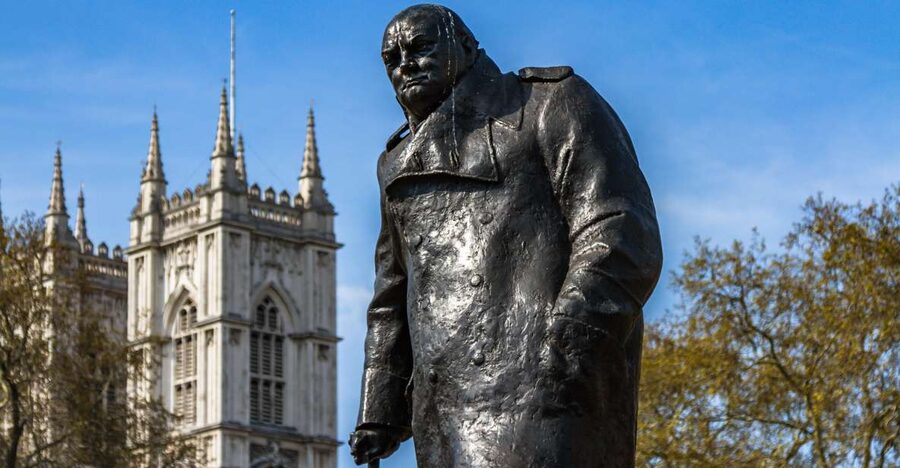
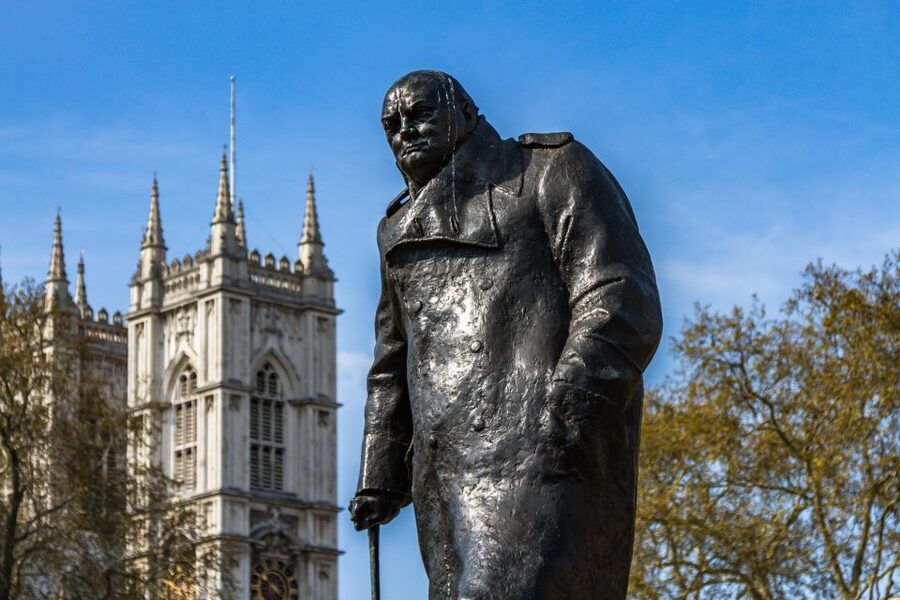
The Westminster district is where Britain’s wartime government lived, argued, and decided. The smart move here is that the tour doesn’t just show you plaques and statues. It ties the famous landmarks to the reality that London was under German bombing night after night, and governments needed places to keep functioning when the surface became too dangerous.
That is why the pairing works. You start above ground with the political map of the era, then you go below ground into the bunker maze where strategy got made. This format is ideal if you like history that has physical space behind it, not just dates.
Also, the tour length matters. At about 2.5 hours total, you get a meaningful dose of WWII without needing to plan a whole day around it. It’s the kind of outing that pairs well with a museum stop afterward or a pub dinner near Covent Garden once you’re finished.
More Churchill War Rooms tours:
- Westminster 3 Hour Walking Tour and Visit of Churchill War Rooms
★ 5.0 · 967 reviews - WW2 London Walking Tour & Churchill War Rooms Entrance Ticket
★ 4.5 · 933 reviews - London in WW2 Walking Tour with Churchill War Rooms Visit
★ 5.0 · 721 reviews
Starting point, headsets, and how to avoid feeling lost
You meet your guide outside Westminster Station. The meeting point is at the top of the stairs behind the statue of Boadicea on a chariot. Important detail: it is not at Churchill’s War Rooms.
I like this kind of setup because it forces a clear start for the walking portion. If you’re arriving by tube, you’ll follow the signs for Exit 2, Victoria Embankment, then head up to street level and find the statue area where the group gathers.
Bring comfortable shoes. Even when the stops are close together, you are still walking through a high-traffic, very real London. The good news is you’ll use headsets, so you can hear the guide even when street noise is high.
One practical tip: if you’re standing for photos near busy roads, step aside when you can so you and the group keep moving. The guides, such as the ones people describe as funny and fast-paced, typically want you together so nobody misses the handoff to the War Rooms.
The one-hour walk: Parliament, the Abbey area, and why Downing Street matters in wartime
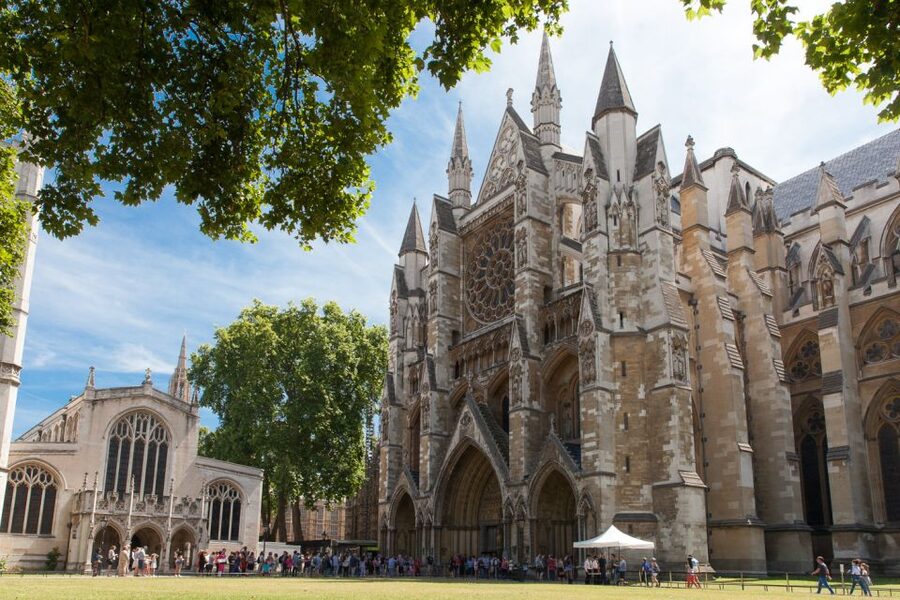
The guided walking portion is about 1 hour and ends before you go into Churchill’s War Rooms. You’ll cover major sites that shape the wartime narrative.
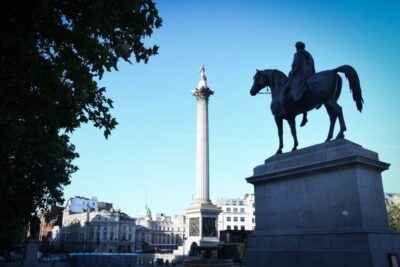
You’ll see the Houses of Parliament area, including a photo stop, and you’ll also pass near Westminster Abbey. Here’s the catch, and it’s worth knowing up front: Westminster Abbey is not included. You might get a look from the outside and context from your guide, but don’t expect a timed entry or a full Abbey visit.
You’ll also have a photo stop at Big Ben and a stop by 10 Downing Street. One of the standout details is that you’ll later see the original door to 10 Downing Street that Churchill used after becoming prime minister. That makes the walk feel like a setup, not just sightseeing.
What you learn while walking is the political pressure cooker. This area is tied to the governments and monarchs forced into exile in London as Germany overran Europe. That theme matters because it explains why Westminster was more than ceremonial power. It was a living command center for diplomacy as well as military decision-making.
Beyond statues: exile politics, Churchill’s leadership, and the Women of WWII monument
A big part of what makes the walk work is how the guide frames the meaning of what you see. You’ll hear about the way exile governments and displaced monarchies ended up in London, and how Westminster carried that weight.
You also get stops connected to wartime commemoration. For example, you’ll see the Women of World War II monument. It’s easy to walk past memorials like that and forget they represent real people doing real jobs. On this tour, it’s used to connect the home front to the government and military planning happening nearby.
Another stop is the Cenotaph, which you finish at during the walk. It’s built as a memorial to the First World War and now serves as the UK’s main national war memorial. That shift in meaning helps you understand how Britain mentally carried one war’s grief into the next generation.
If you like history that’s anchored to physical places, this walking segment gives you that. If you hate walking, know that the pace is controlled but steady, and you’ll be outdoors for a significant chunk of the experience.
A few more London tours worth a look
- London: Tower Bridge Entry Ticket
★ 4.7 · 15,560 reviews - London: St Paul’s Cathedral Entry Ticket
★ 4.7 · 9,813 reviews - London: London Eye and Madame Tussauds Combo Ticket
★ 4.7 · 7,428 reviews - Buckingham Palace: The State Rooms Entrance Ticket
★ 4.6 · 7,395 reviews
The Churchill War Rooms handoff: guided walk ends, self-guided begins
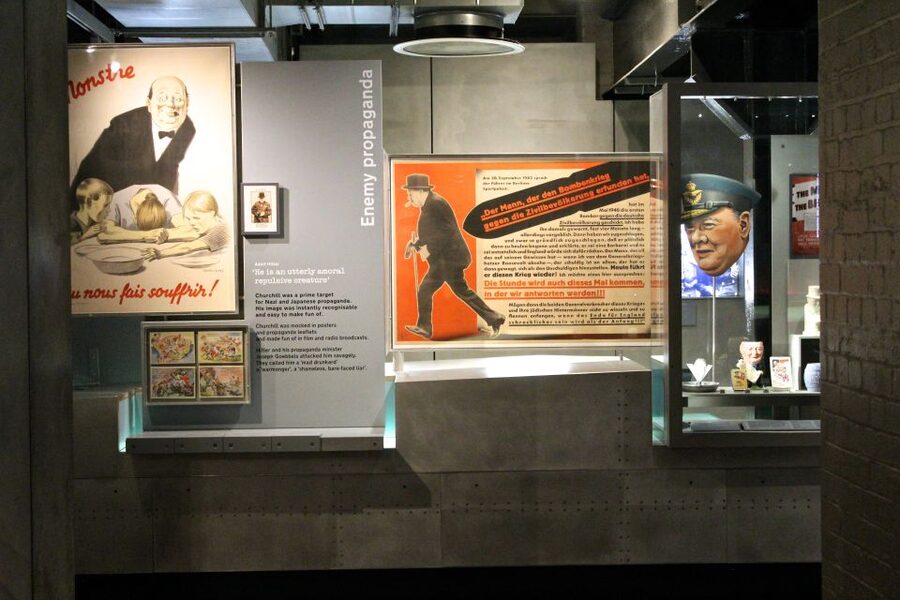
Once the Westminster walk is done, you head to Churchill’s War Rooms for your 1.5-hour visit, and the format changes.
Your guide does not accompany you inside. Instead, you get what you need to explore on your own using an audio guide included with your ticket. On the walk, you use headsets to hear the live commentary clearly. Inside, the audio guide gives you the room-by-room context while you move at your own speed.
This is a big reason I think the experience works well for different travel styles. If you’re a read-the-placards person, you can take a breath and absorb details. If you want momentum, you can still keep moving without waiting for a group.
Also, you don’t feel locked into a strict itinerary once inside. Many people report spending longer in the War Rooms than they planned, because the space is preserved so accurately and the stories connect tightly to what you saw above ground.
Entering the preserved bunker maze from the day the lights went out in 1945
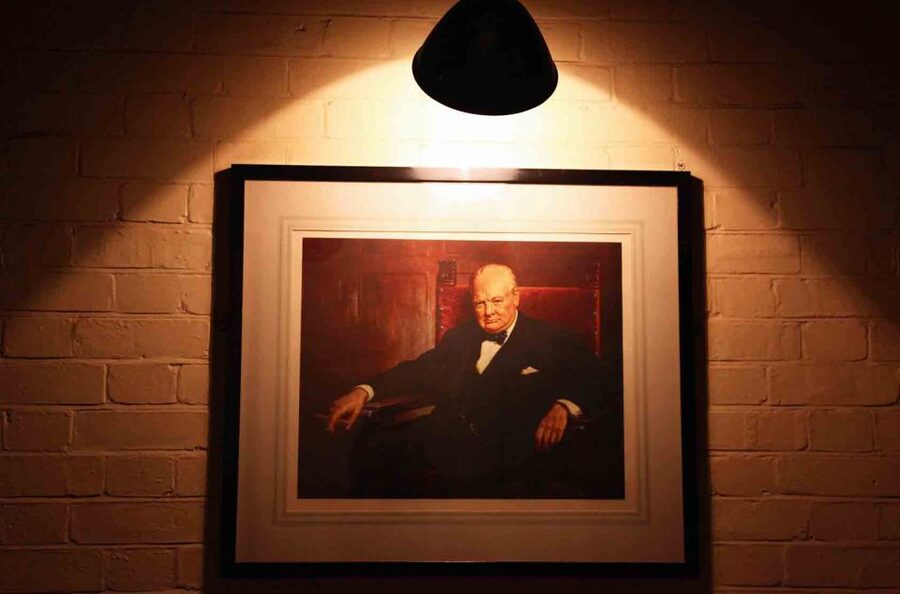
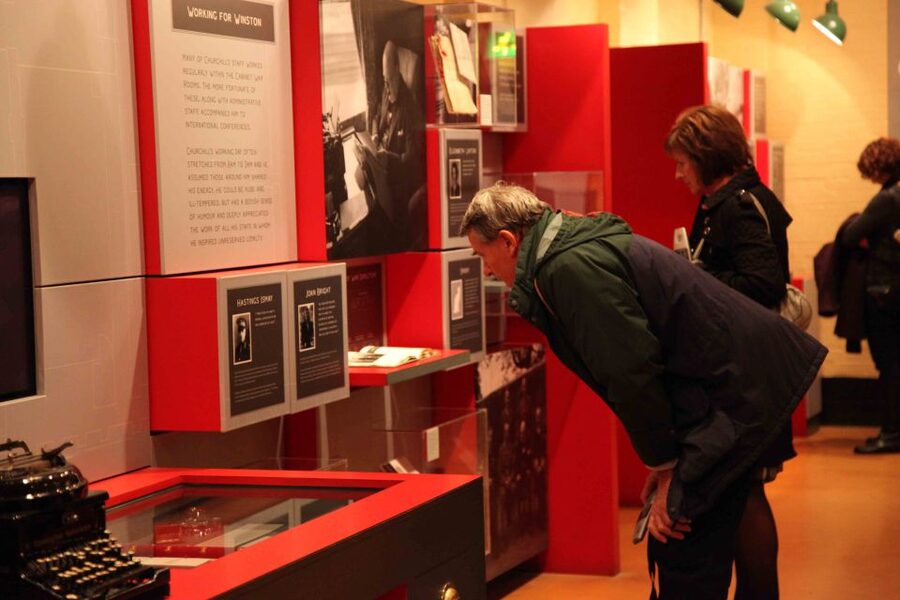
The War Rooms are preserved to look like they did when the lights were switched off in 1945. That means you’re not touring a reconstructed theme. You’re walking through a space that’s been kept close to the original wartime layout, including signs that indicate the weather outside at that time.
This preservation detail changes how the rooms feel. Instead of imagining wartime Britain from scratch, you get the sensation of stepping into a functioning office system that was paused only after the war ended.
As you wander deeper, you learn how the bunker wasn’t only about grand speeches and decisions. It was practical. You’ll hear how teams deciphered enemy communications and created maps of army movements. Those are the unglamorous tasks that shaped outcomes, and the War Rooms are designed to help you picture how work actually happened.
One more detail I find striking: you’ll come across information about the sun lamps used to help workers get enough vitamin D. Even the families of staff didn’t know what people did for a living. That’s a heavy idea, and it lands better when you’re underground and surrounded by the rooms where secrecy became routine.
The Transatlantic Telephone Room and the Churchill-Roosevelt link
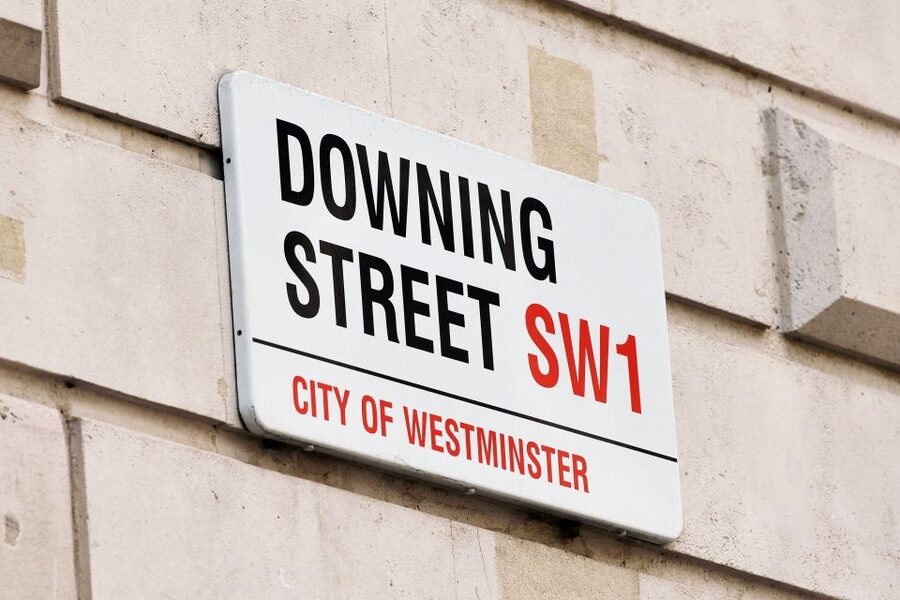
If you want a human through-line, lean into the sections tied to the relationship between Churchill and President Roosevelt. The tour highlights the Transatlantic Telephone Room, a key setting for high-level communication during the war.
You also hear authentic audio of Churchill’s wartime speeches. It’s not just historical flavor. Listening to it in the setting helps you understand why these messages mattered and why leaders needed channels that could keep working even when cities were being hit.
The best part is how the tour connects personal diplomacy to operational work. You’re not stuck in politics-only mode. You can see how communication, intelligence, and planning fed the same system.
If you’re a fan of speeches or historical radio style moments, this stop alone can justify the ticket.
Churchill’s kitchen and the idea that life continued below ground
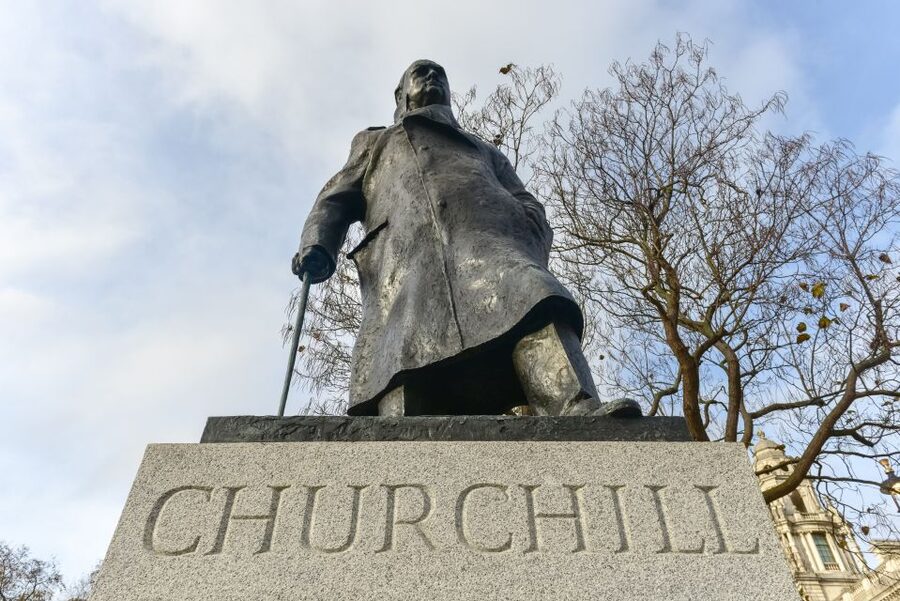
The War Rooms weren’t only a battlefield brain. You also see domestic and personal spaces. Churchill’s kitchen is one of the room highlights that signals life continued underground, not just strategy.
That matters because it adds realism. War planning can sound like an abstract chess game until you picture a kitchen in the same building. It also helps you understand why people became attached to routines even when the world above felt unstable.
This is where the tour’s self-guided format shines. You can take your time and linger in the rooms that click with you, especially if you like connecting people’s workdays to the physical spaces they used.
Audio guide reality check: tight spaces, small devices, and clear hearing
The audio guide is included and is generally a strong part of the experience. Headsets on the walk also help a lot in London noise, which many visitors appreciate.
Still, be aware: some people have noted that indoor audio can be a bit fiddly, especially when coordinating with the room you’re in. Since the War Rooms are compact and crowded, expect that you might need to adjust where you stand or work out a small device issue at first.
My advice is simple. Bring patience for the first few minutes. When you enter a new room, pause for a second, then start your audio and confirm you can hear it clearly. Once you find the sweet spot, it tends to click.
How the value stacks up against the $59 price
At about $59 per person for a 2.5-hour experience, you’re paying for two things at once: interpretation and access.
You get a guided walking segment with a live English-speaking guide, plus headsets, which makes the outdoor history easier to follow. Then you get admission to the War Rooms with an audio guide included, and the War Rooms are the main draw.
Is it cheap? No. But it’s also not just a generic museum visit. You’re paying to enter a specific, preserved WWII space tied directly to Churchill and the center of wartime government decision-making. When you think of the time you save and the guided framing you get before going in, the price starts to feel more reasonable.
One practical way to judge value for yourself: if you’re interested in Churchill beyond quotes and you want the actual working environment where planning happened, this ticket does the heavy lifting.
Who should book this Westminster WW2 and War Rooms tour
This is a great fit if you:
- Want WWII history that is tied to real rooms and real political sites
- Enjoy guided context outside, then self-paced exploration inside
- Like Churchill stories, including the Churchill-Roosevelt connection
- Prefer short, focused experiences over full-day marathons
It’s probably not a fit if you:
- Need wheelchair access or have mobility limitations that make walking or stairs difficult
- Use baby strollers, since they are not allowed
- Hate tight indoor spaces or expect a lot of open room to roam
If you’re traveling with teens or older history-minded adults, it can work well. If you’re going for very casual sightseeing, the political context might feel a bit heavy, but it’s still clear and practical once you see the bunker layout.
Should you book Westminster WW2 Tour and Churchill’s War Rooms?
Yes, if you want Churchill’s story with a physical sense of place. The combination of the Westminster walk and the preserved War Rooms makes this more than a ticket swap. It’s a guided setup that helps you read what you’re seeing underground.
Skip or reconsider if you need step-free, stroller-friendly access, or if you dislike compact crowded interiors. And if you’re sensitive to audio-tech hiccups, plan for a quick adjustment period when you first start the audio guide.
If you’re standing in Westminster thinking, I want my WWII London experience to feel real, this is one of the more direct ways to get there.
FAQ
Where do I meet the guide?
Meet your guide outside Westminster Station. The group meets at the top of the stairs behind the statue of Boadicea on a chariot. The meeting point is not at Churchill’s War Rooms.
How long is the tour?
The full experience runs about 2.5 hours.
What parts are guided, and what parts are self-guided?
The Westminster walking tour is guided with an English-speaking guide. Churchill’s War Rooms are self-guided, with an audio guide inside.
Do we visit Westminster Abbey?
Westminster Abbey is not included in the tour.
How do I get to the meeting point by tube?
Use Westminster tube station, follow the signs for Exit 2 Victoria Embankment, then take the stairs up to street level. Meet behind the statue of Boadicea on a chariot.
Is this tour suitable for wheelchair users or mobility impairments?
No. It is not suitable for people with mobility impairments or wheelchair users.
Are baby strollers allowed?
No, baby strollers are not allowed.
What should I bring?
Wear comfortable shoes. You will be walking around Westminster before going into the War Rooms.
What is included with the ticket?
You get a guided Westminster walking tour with headsets, plus entry and reservation fee for Churchill’s War Rooms. You also get an audio guide inside the War Rooms.
Is there any flexibility if my plans change?
The experience offers free cancellation up to 24 hours in advance for a full refund. It also offers a reserve now & pay later option.
Recently reviewed around London
- London: Harry Potter Walking Tour with Platform 9 3/4★ 4.6 · 37 reviews
- London: Harry Potter Tour, River Cruise & The London Dungeon★ 4.4 · 8 reviews
- London: Harry Potter Walking Tour and River Thames Cruise★ 3.6 · 24 reviews
- London: Harry Potter Tour & The London Dungeons Tour★ 3.8 · 28 reviews
- London: Harry Potter Tour and London Bridge Tombs Experience★ 3.8 · 4 reviews
- London: Harry Potter Walking Tour and Tower Bridge Ticket★ 4.4 · 7 reviews
- London: Harry Potter Walk, Hop-on Hop-off Bus Tour & Cruise★ 4.1 · 105 reviews
- London: Harry Potter Sights and Shrek’s Adventure Combo Tour★ 4.6 · 3 reviews
Churchill War Rooms Tours, compared.
Westminster 3 Hour Walking Tour and Visit of Churchill War Rooms
Read our review →
WW2 London Walking Tour & Churchill War Rooms Entrance Ticket
Read our review →
London in WW2 Walking Tour with Churchill War Rooms Visit
Read our review →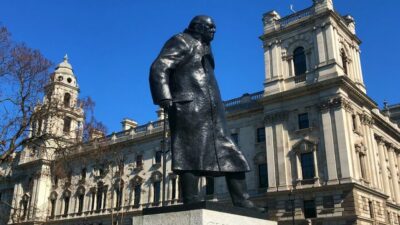
Westminster Tour and Churchill War Rooms Visit
Read our review →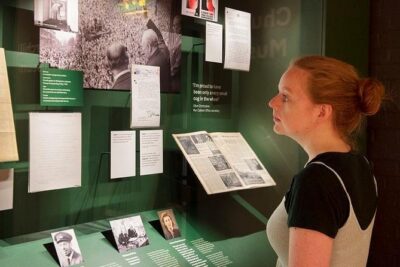
Churchill War Rooms “Behind The Glass” and Private Car Tour
Read our review →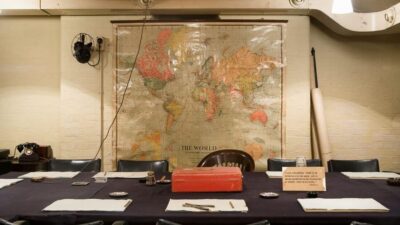
Churchill War Rooms Ticket & Political London Audio
Read our review →
Big Ben, Churchill War Rooms & Buck’ham Palace Tour
Read our review →Browse the lists this tour appears in