Reviewed · TOURS
London: Hidden Tube Tour of Holborn’s Secret Platforms
Holborn station looks like the usual London Tube mashup above ground, but this tour takes you into the back corridors and closed spaces that most people never see. I love the feeling of stepping through concealed doors into areas that have been out of public view for decades, and I love how the story centers on the Aldwych branch with its twin closed platforms and old design details.
One big consideration: this is not an easy, breezy walk. Expect a lot of walking, low lighting, uneven ground, stairs, and no elevators, and the tour is not suitable for people with mobility impairments or for anyone with claustrophobia.
Key Things You Will Notice on This Hidden Tube Tour
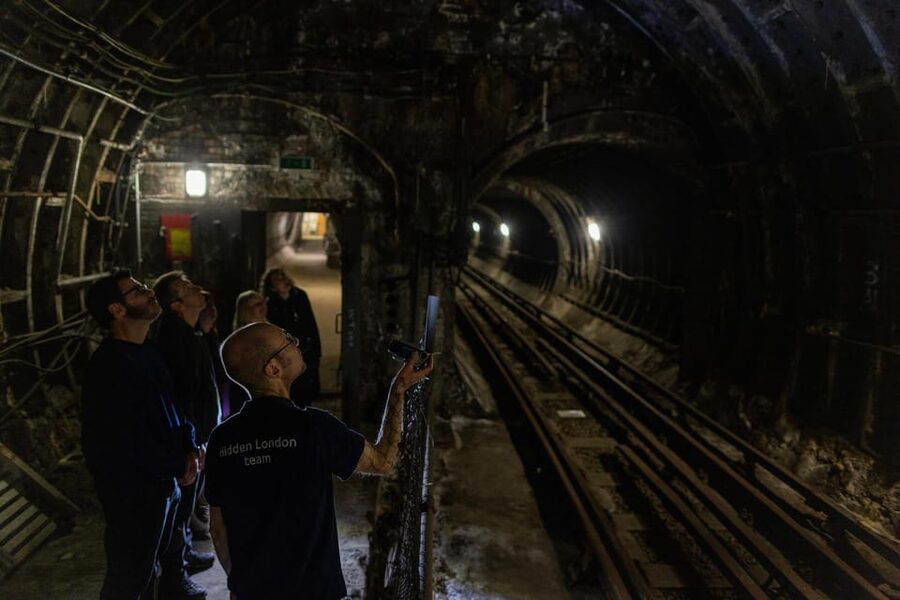
- Aldwych branch platforms closed for around 30 years, now opened briefly to visitors with original details
- A rare view linked to the Piccadilly line, seen from disused areas
- Leslie Green Edwardian design features and vintage posters that help you picture the station when it first opened
- An original early 20th century signalling cabin, the kind of engineering most passengers never get to see
- Surprising second lives for the station spaces, including scientific laboratories, wartime shelter, and even a model rail club
- How 1930s modernization reshaped nearby Underground stops, including the closure of British Museum station
Why Holborn’s Secret Platforms Feel So Different From Normal Sightseeing
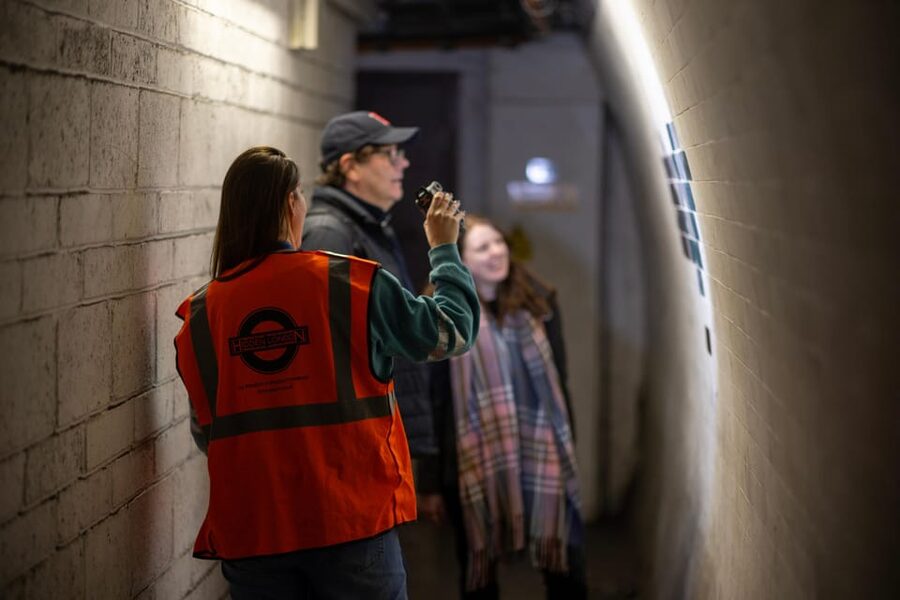
This Hidden London experience is interesting because it is not about monuments or views. It is about infrastructure, workspaces, and the human side of a Tube station that has been reinvented again and again.
When Holborn opened in 1906, it started as a complex of four platforms serving the Piccadilly line. That matters, because this tour lets you see the station not as a single route you pass through, but as a layered machine. You will get the sense that London Underground did not just grow by adding tunnels. It grew by changing plans, repurposing spaces, and upgrading systems.
Two things make this tour especially satisfying. First, you are led into places that have been closed to the public for nearly 30 years. Second, the guide connects the physical station spaces to real events, from wartime work to the 1930s modernization program and today’s signaling upgrades. It turns a quick ride on the Tube into a story you can actually stand inside.
Other London bookings people compare this one against:
- From London: Harry Potter Warner Bros Studio Tour
★ 4.7 · 26,588 reviews - Magical London: Harry Potter Guided Walking Tour
★ 4.7 · 22,044 reviews - London: Madame Tussauds London
★ 4.6 · 20,915 reviews
Where the Tour Starts and What 85 Minutes Adds Up To
You meet at the corner of Gate Street and Kingsway, WC2B 6AA, and the tour ends back at that same meeting point. The duration is 85 minutes, with starting times that vary, so it works well if you want something more focused than a full-day hop-on hop-off plan.
It is a walking tour, and the tour description is clear that there is a lot of walking, including uneven ground and stairs. That is not the kind of detail to skim past. If you are the type who hates getting your shoes dusty or feels uncomfortable in dim spaces, plan for that now.
Also, you cannot bring food or drinks, and you should not bring luggage or large bags. If you pack light for the day already, you will feel fine here. If you carry more than you need, this tour will feel like a hassle instead of an adventure.
Stepping Behind the Station: Concealed Doors and Off-Limits Spaces
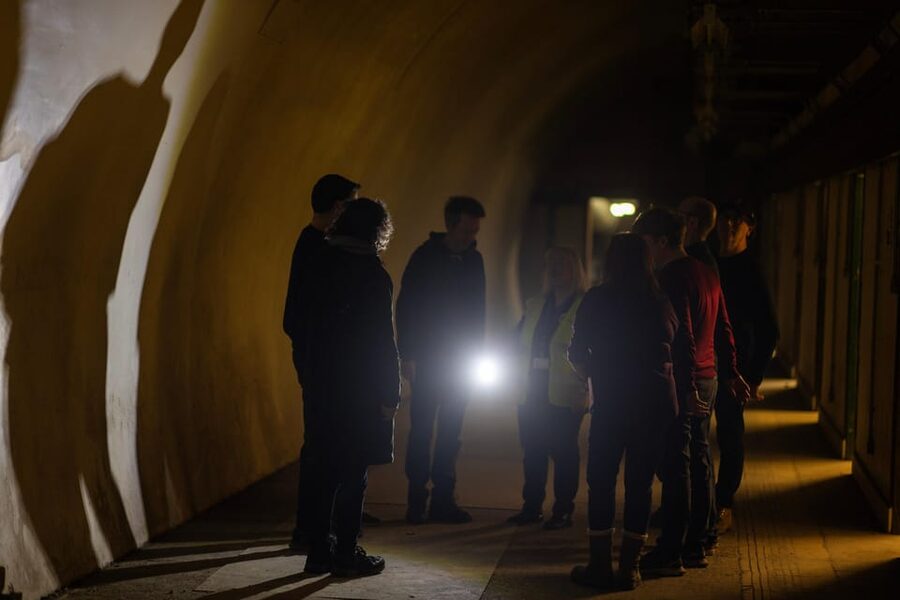
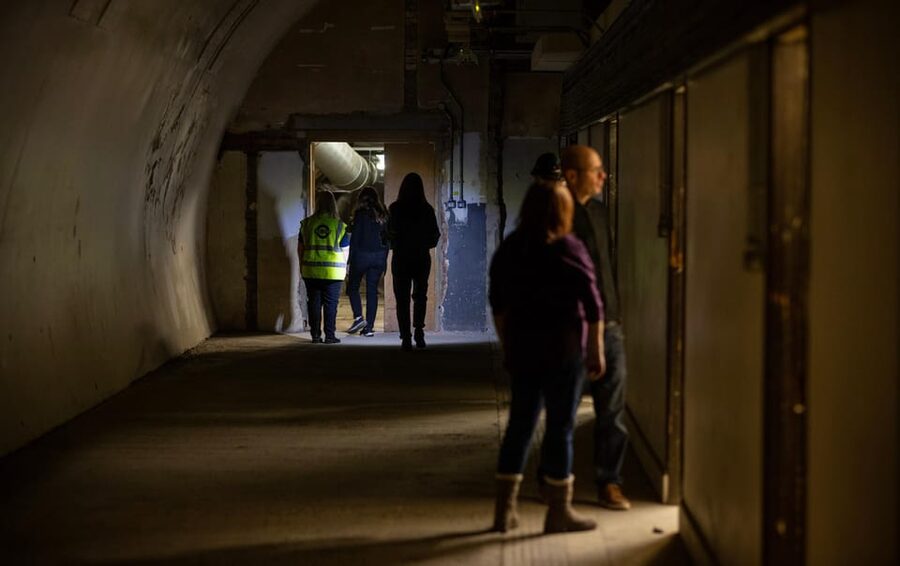
The main thrill begins as soon as you go past the normal passenger areas. Instead of looking at station life from the platform, you get to see what sits behind it: disused rooms and passageways that were built for work and movement, not for visitors.
The tour is run by London Transport Museum, which sets the tone. This is not a casual walk with vague facts. You are there to understand how a busy interchange once operated, and how its back-of-house spaces shifted over time.
As you follow your guide, pay attention to the framing of the station. You will hear how these spaces originally formed part of the Piccadilly line setup, then later took on new uses. That is a big part of why this tour is worth your time, even if you think you already know the Underground. You are seeing the “plumbing” behind the network, not just the routes.
The 1906 Four-Platform Setup and a Clue to Holborn’s Early Role
Holborn started in 1906 as a complex of four platforms for the Piccadilly line. That line is one of London’s best-known trunk routes, so it is tempting to picture a straightforward station. The tour pushes you to picture something more complex.
You will learn how station design and platform purpose worked together. You also get a sense of the surrounding area changing over time. The station played a role in shifting the neighborhood from a place known for less reputable activity into a more business-friendly district.
This context may sound like background, but it changes how you read the station. When you stand near older platform remnants and closed areas, you can connect them to the idea that Underground expansion was a real force in the city’s evolution, not just a transportation project.
A different sort of day out in London:
- Stonehenge, Windsor Castle, and Bath from London
★ 4.5 · 18,662 reviews - London: Warner Bros. Studio Tour with Transfers
★ 4.7 · 17,586 reviews - London: Tower Bridge Entry Ticket
★ 4.7 · 15,560 reviews - London Big Bus Hop-On Hop-Off Tour with Optional River Cruise
★ 3.5 · 10,803 reviews
Seeing the Piccadilly Line From Unexpected Angles
One of the most fun surprises is that you get an unexpected view tied to the Piccadilly line. You are not just told that the station is an interchange. You see how it looks and works when you are not standing in the usual passenger spots.
That view helps your brain snap the whole experience into place. You can compare what you are looking at in the closed areas with what you usually see out on the platform level.
If you love railways, you will enjoy how the guide frames sightlines and station layout. If you are more into social history, this still works, because being in the right spot makes the station feel alive. You can almost picture people moving through it with luggage, tickets, and errands, long before today’s layout.
The Aldwych Branch Platforms That Were Closed for About 30 Years
This is the main payoff: the two closed platforms of the former Aldwych branch line. The tour gives you access to a part of Holborn that has been out of public reach for around 30 years.
You will see vintage posters and original station design elements in the Edwardian style associated with Leslie Green. It is one of those details that makes history feel physical. Instead of reading a description, you are looking at the look and materials that passengers would have recognized.
And because these platforms are closed, you also notice what does not change. The space keeps its shape. The geometry is the point. When you stand on or near the former platform areas, you can understand how the branch fit into the larger station system.
If you are the sort of traveler who likes “how it worked” more than “what it looks like,” these Aldwych platforms will land with you.
The Signalling Cabin: Where Movement Became Control
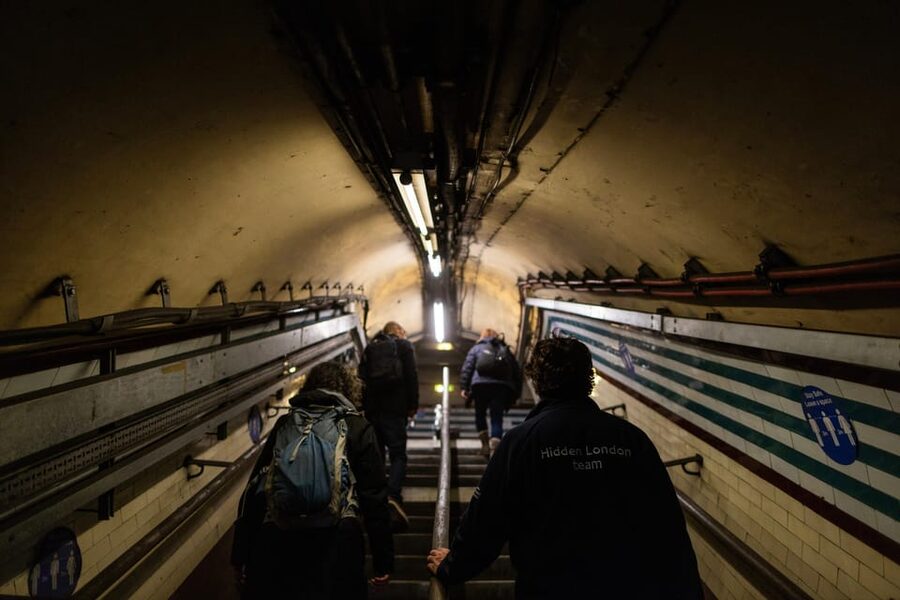
One stop that you should not treat as a side note is the original early 20th century signalling cabin. This tour does more than show you old infrastructure. It explains why it matters.
Signalling is the hidden layer that turns tracks into a safe, scheduled system. Seeing a signalling cabin helps you understand the difference between a tunnel you ride through and an operation that keeps trains flowing.
Even if you are not an engineering fan, you will get the value here. It gives you a practical lens for the next sections, especially when the guide talks about modernization and today’s signaling upgrade work.
In short: once you have seen the signalling space, the later talk about upgrades will make more sense in your head, because you have a concrete reference point.
Wartime Stories: Labs, Shelter, and What People Did Under Pressure
Part of what makes this tour memorable is that it does not keep a single timeline. You are shown how the station’s spaces changed roles depending on what the city needed.
You will hear about uses that are genuinely surprising. Disused areas were used as scientific laboratories. They also offered shelter for London Transport staff in wartime. And at least one space even housed a model rail club.
Those examples do not exist just for trivia. They help you see why stations are more than tracks and timetables. They are usable rooms, storage, and work areas that can be repurposed quickly.
The guide also talks about how staff may have felt during the height of the Blitz. You do not need to be a history nerd to appreciate the weight of that. When you are underground in dim, uneven spaces, it is hard not to imagine the urgency and stress of those days.
If you like tours where you can feel the human side of the setting, this is a strong section.
The 1930s Modernization Program and the British Museum Station Closure
Another thread the guide pulls through is the big modernization program of the 1930s. Here, the tour connects older station layout decisions to later changes that reshaped the network.
You will learn that this modernization led to the closure of the nearby British Museum station. That fact gives you something helpful to carry into your future Tube rides. It shows that even “station permanence” has limits. Plans get redesigned as technology changes and passenger flows shift.
This section also makes the tour feel grounded. Instead of treating the old spaces like a museum display, it shows you how real operational decisions affected real neighborhoods and passenger routes.
How Holborn Still Matters: Today’s Signalling Upgrades
The final big story line brings things back to the present. The station continues to play a key role as part of a massive upgrading project focused on the signalling system.
That is where the tour gets particularly satisfying for practical-minded travelers. You see how the Underground keeps itself safe and functional through ongoing work, not just through nostalgia.
The old signalling cabin you saw earlier is not just a cool object. It is a reminder that signalling systems have always been central. Now, the guide helps you connect the historical function to modern upgrades, so the story does not end with the past.
It also makes you understand something you can use while traveling. If you ever notice slowdowns, closures, or technical changes in the Underground, you will know that signalling upgrades are the kind of behind-the-scenes work that can take time, because they touch the control layer of the whole network.
Price and Value: Is This Worth $60.61 for a One-and-a-Half-Hour Tour?
At $60.61 per person for 85 minutes, this is not the cheapest thing you can do around London. But it can be good value if you want a specific kind of experience.
Here is why I think it holds up:
- You are paying for access to disused platforms and back-of-house station spaces that are not generally open.
- You get live guidance with a full narrative arc, including the 1906 origins, the Aldwych branch platforms, wartime repurposing, and the 1930s modernization impact.
- You get a signalling cabin viewing, plus an unexpected Piccadilly line perspective that most visitors never encounter.
It is also the kind of tour where the time makes sense. Ninety minutes in the Underground can feel long if it is repetitive. Here, it works because each part adds a new layer of meaning, instead of just showing more rooms.
If you only want easy sights and minimal walking, you might skip it. If you enjoy technical history, railways, and “how the city actually runs,” it is a strong use of a ticketed hour and a half.
Who This Hidden Tube Tour Fits Best
This tour is a great match if:
- You enjoy rail history, stations, and how things operate.
- You like getting access to closed spaces, not just taking photos in public areas.
- You want a guided story that connects engineering with social history.
It is not a good match if:
- You have mobility impairments, because there is no elevator and the route involves uneven ground and stairs.
- You have claustrophobia, due to the underground nature and low lighting.
- You dislike active walking in dim areas.
The tour also limits children to a maximum of four ages 10 to 15 per adult, and it is not suitable for children under 10. So plan accordingly if you are traveling as a family.
What to Bring, What Not to Bring, and How to Stay Comfortable
Bring your passport or ID card, wear comfortable shoes, and plan on bringing water. You will do a lot of walking, including uneven ground, stairs, and sections with low lighting. Open-toed shoes are not allowed.
Do not bring food or drinks. Do not bring luggage or large bags. The tour description is strict on this, and it is easier to follow rules when you pack like you are going to be moving for the whole 85 minutes.
One more comfort tip from the reality of the Underground: if you tend to run cold in underground spaces, consider a light layer. The tour involves low lighting and enclosed areas, which can make the air feel cooler than you expect.
Should You Book This Hidden Tube Tour of Holborn’s Secret Platforms?
Book it if you want a London Underground experience that feels specific and real. You get access to the Aldwych branch platforms, Leslie Green Edwardian details, an early signalling cabin, and stories about wartime shelter and scientific laboratories. You also get context for the 1906 Piccadilly line origin and the 1930s modernization that changed nearby stops.
Skip it if walking in underground conditions is a struggle for you, or if claustrophobia is an issue. This tour is not designed for comfort-first sightseeing.
If you fall in the middle, decide based on your interests. The tour is not mainly about beauty. It is about understanding the station as a working system that has been reshaped by decades of pressure, innovation, and upgrades.
FAQ
How long is the Hidden Tube Tour of Holborn’s Secret Platforms?
The tour lasts 85 minutes. Check available starting times when you reserve.
Where do I meet for the tour?
You start on the corner of Gate Street and Kingsway, WC2B 6AA. The tour ends back at the same meeting point.
What is included in the ticket?
The ticket includes a guided walking tour.
What should I bring and wear?
Bring a passport or ID card, comfortable shoes, and water. Open-toed shoes are not allowed.
Is the tour suitable for kids or for people with mobility issues?
It is not suitable for children under 10. There is a maximum of four children aged 10 to 15 per adult. It is also not suitable for people with mobility impairments.
Can I cancel or pay later?
Yes. There is free cancellation up to 24 hours in advance for a full refund, and you can reserve now and pay later.
Recently reviewed around London
- Bridgerton Tour in London★ 5.0 · 9 reviews
- Tour in Italian: Londra in un Giorno★ 4.9 · 20 reviews
- London in Spanish Privado: Lo Mejor de Londres en un día!★ 4.8 · 12 reviews
- Westminster and National Gallery 3.5-Hour Tour in Italian★ 4.9 · 28 reviews
- Top London Sights Tour – Christmas Day Special!★ 5.0 · 12 reviews
- Tour a Piedi di Harry Potter a Londra★ 5.0 · 20 reviews
- The Royal Express, 2.5 hour tour★ 5.0 · 6 reviews
- London: Royal Hampton Court Guided Tour with Afternoon Tea★ 5.0 · 67 reviews
Tours, compared.

Magical London: Harry Potter Guided Walking Tour
Read our review →

London Big Bus Hop-On Hop-Off Tour with Optional River Cruise
Read our review →

Warner Bros. Studio Harry Potter Tour with Transfers
Read our review →