
Reviewed · BATH DAY TRIPS
Bath – (4 hours) Extended Walking Tour – Blue Badge guide
Bath is one of those cities where a short walk can feel like a full education. This half-day tour works because it links the obvious Bath hits, Bath Abbey, the Royal Crescent, and the Avon riverside, to the smaller details that make the streets click into place. You get a clear route, strong pacing, and a guide who can answer the questions you did not even know to ask.
What I like most is the focus on big highlights fast, without turning it into a checklist sprint. I also love that this is led by a Blue Badge guide, and the best guides I have met like Andy, Jim, and Shiela clearly know how to keep people engaged, adapt when the group wants to change direction, and still finish feeling relaxed. One thing to consider is that the price is per group (up to 15), but major indoor attractions are mostly not included, so you’ll want to budget separately for places like the Roman Baths and paid Abbey church entrances.
Key things that make this Bath walk worth your time
- A tight four-hour loop that hits the core Bath look fast, then drops you back at Abbey Churchyard with a brain full of context
- Photo-friendly stops at Bath Abbey, the Royal Crescent, the Circus, and Pulteney Bridge, with enough time to actually frame shots
- Roman Baths skip-the-line help after the walk, so you are not spending your afternoon trapped in a ticket line
- Assembly Rooms and Georgian Bath stories that explain why the city got famous in the first place
- Private guiding for your group only, so questions and small detours do not get lost in a crowd
Four hours in Bath, what you really get (and what you skip)
Four hours in Bath sounds short until you see how the route is built. The tour is basically designed to give you the city’s big visual anchors in one pass. You start at Bath Abbey, move through the major Georgian landmarks people travel for, and finish where you started so you can immediately branch off into your own plans.
It is a smart approach because Bath can be confusing at first glance. The streets curve, the buildings look similar until someone points out the differences, and suddenly you are walking in the right direction without feeling like you are guessing. You get a walking rhythm that keeps you moving, yet still allows short stops for views and explanations.
The one drawback is that Bath has more than one “must-see,” and four hours cannot cover everything in depth. Indoor museums and some attractions are optional extras, and you will not get long sit-down time anywhere. Think of this as your orientation plus highlights, not a full deep dive into every museum room.
More Bath day trips:
- Walking Tour of Bath with Blue Badge Tourist Guide
★ 5.0 · 1,877 reviews - Bath: City Walking Tour with Optional Roman Baths Entry
★ 4.7 · 1,401 reviews - Bath: Guided Walking Tour
★ 4.9 · 1,198 reviews
Where the tour starts and how the walk feels on your feet
You meet at Abbey Churchyard, Bath BA1, and the tour ends back at the same place. That matters more than you might think. It means you do not have to figure out transport, or worry about how far you are from your hotel, taxi, or next stop.
The walking pace is built for a moderate physical fitness level, and the duration is about four hours. You will be on your feet enough to feel it, but the stops are frequent and timed, so it stays workable even if you are not a super-strong walker. Also, since it is a private tour, you can often benefit from a guide who adjusts to the group’s pace and interests, instead of forcing everyone to match the slowest person.
You should also note one practical detail: the itinerary has time set aside for views, including areas that are free to look at. That keeps the tour from feeling like you are always waiting for tickets. If you want your day to be efficient, this structure helps a lot.
Bath Abbey as the anchor point, 500 years of meaning in a few focused minutes
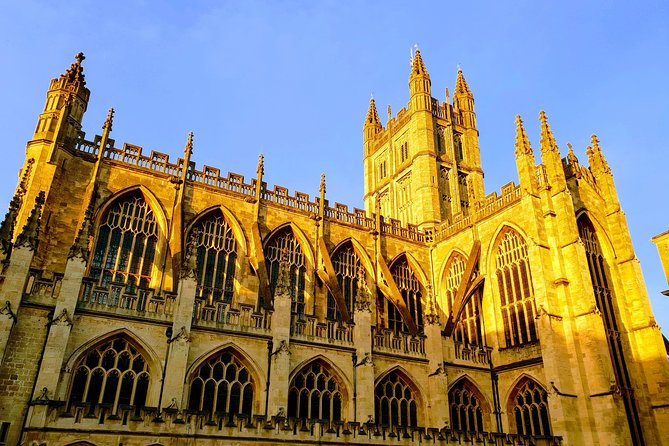
Bath Abbey is where the whole experience makes sense. This 500-year-old church is not only a landmark you photograph. It is the starting compass for understanding why Bath grew the way it did and how different eras left their marks.
On this tour, you begin at the Abbey Churchyard, and the guide uses the Abbey as the “hinge” for the story. You are not just looking at stonework. You are getting the timeline and the why behind the architecture and the place. Then you circle back to Bath Abbey again at the end, which helps everything you heard during the walk stick in your head because you revisit the reference point.
There is also a practical element. The tour description mentions a voluntary contribution at the Abbey, and it also notes that Abbey church entrances are not included, with an entrance fee listed separately. So plan on seeing the Abbey area and getting the viewpoint and storytelling, while any paid interior time depends on what you choose to add.
If you love history but hate feeling like you are trapped in a lecture, this is a good fit. The guided format tends to keep it moving, with stories that connect one site to another so you do not forget what you were looking at five minutes later.
Roman Baths express access, how to plan the rest of your day
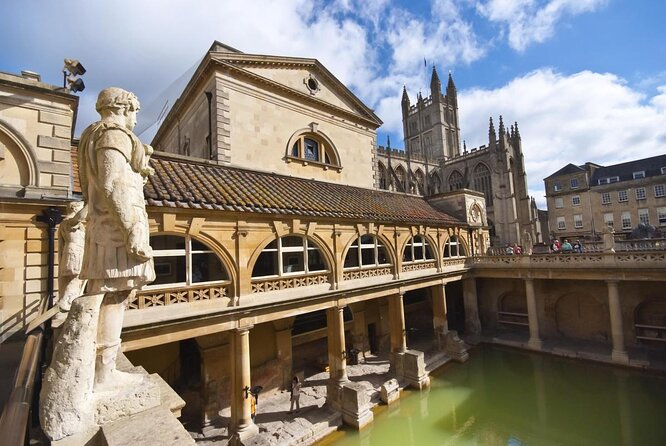
The Roman Baths are the big ticket moment for many people, and this tour handles that smartly. You get a view from outside during the walk, then the guide provides express entry tickets for after the walking tour. That is the part that can save you serious time, especially when lines stretch.
But here is the clear budgeting note: the Roman Baths entrance fee is not included. The information you are given lists an entrance fee, and it also suggests typical pricing for express entry access through the guide. Either way, you should treat it as a separate cost you pay after the walk if you want to go in.
Why I like this approach:
- You get oriented first, so when you return for the Roman Baths you know what you are seeing
- You avoid losing your whole afternoon to waiting around
- You still keep the four-hour walk flowing without constant ticket stops
So what should you do next? After the tour, slot in your Roman Baths visit when you will be most comfortable. If you like photos, you might time it for softer light. If you prefer getting it over with, go sooner rather than later while the guide’s explanations are fresh.
More walking tours in Bath:
- Roman Baths and Bath City Walking Tour
★ 4.5 · 762 reviews - Best of Bath Walking Tours – Georgian Tour
★ 5.0 · 449 reviews - Bath: Bridgerton Filming Locations Walking Tour with Music
★ 4.7 · 416 reviews - Bad of Bath fun Walking Tour of Bath
★ 5.0 · 402 reviews
The Assembly Rooms, polite society and the reason Bath felt like a stage
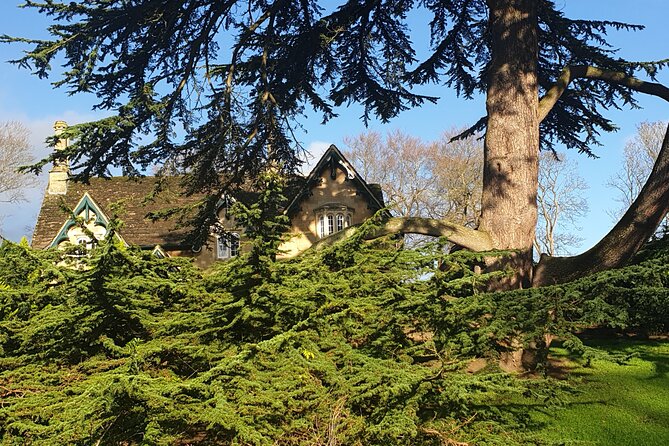
One of Bath’s greatest tricks is how it turns leisure into a public identity. The Assembly Rooms are tied to that. On this route, you stop briefly and see where the polite company of Bath would gather, plus the setting for dancing and social life in the 18th century.
This is the kind of stop that can feel optional if you only care about Roman stone and Georgian facades. But if you want to understand why Bath became such a draw during the height of its popularity, this is an important puzzle piece. It connects the city’s architecture and its water story to daily life, not just grand monuments.
The tour notes that entry is normally permitted with your guide and that a small voluntary donation is requested. As with the Abbey, you get the option to go in during the tour time, but you are not automatically paying your way into every room. If you are the type who likes to see how people actually lived and socialized, this stop adds real texture.
Royal Crescent, The Circus, and Pulteney Bridge, where the best views happen
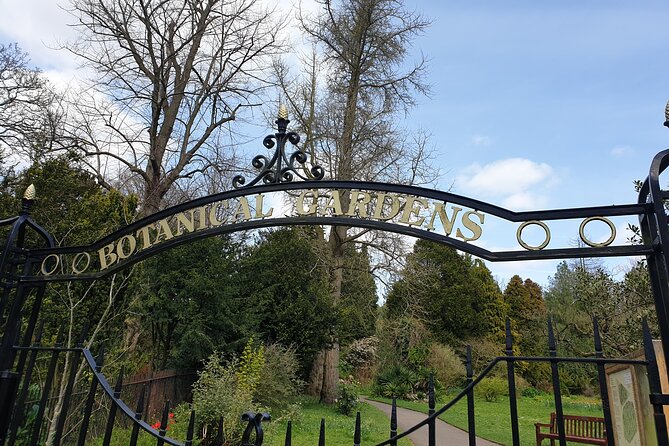
These stops are why people come to Bath in the first place. The tour gives you timed windows to appreciate the architecture properly, not just glance and move on.
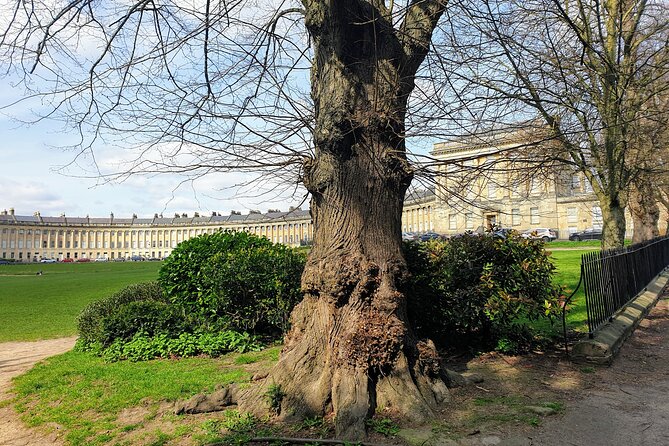
- No. 1 Royal Crescent: you get a view of the neo-classical architecture and enough explanation to understand what you are looking at
- The Circus: another neo-classical view, and a good moment to compare shapes and design choices across Bath
- Pulteney Bridge: the Avon riverside backdrop makes this one of those “send the photo to everyone back home” spots
What makes these stops valuable is the guidance style. A good guide tells you what to notice. You start spotting details you would otherwise miss, like how the curves and facades relate to the street plan and how the city’s elegance was designed to be seen.
Also, several of these view stops are listed as free to enter, which helps the tour feel like value. You spend money where it matters, like the Roman Baths optional add-on, and you still get prime photo time without constant extra fees.
If you are traveling as a couple or as a small family, these moments help keep everyone happy. Even if one person is tired of facts, the views do the heavy lifting.
Sally Lunn’s Museum, Great Pulteney Street, and canal-era Bath
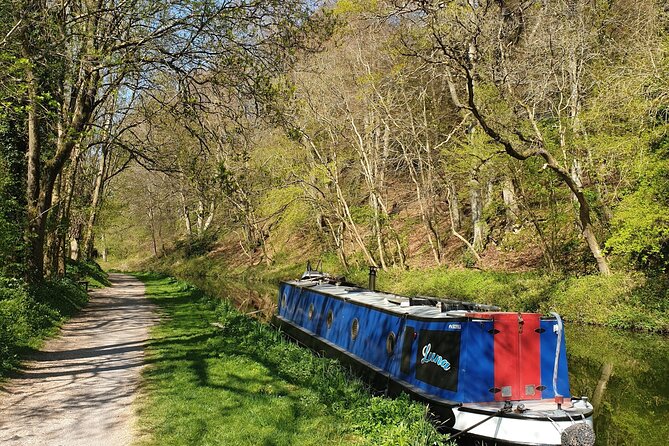
This is where the tour shifts from “wow, buildings” to “how did the city work.” You get a stop at Sally Lunn’s Museum, with late medieval architecture and stories tied to Bath’s years leading up to its revival in the early 1700s.
Then you move toward Great Pulteney Street, tied to the Pulteney Estate, where you also see references to the Holburne Museum and Sydney Gardens from the walking route. This helps you map the bigger Bath layout. You are not committing to museum time, but you learn what parts of the city are worth a later walk when you have more energy.
Finally, you end with views connected to Royal Victoria Park and the Kennet and Avon Canal. The canal segment is especially interesting because it is a reminder that Bath was shaped not only by grand society life, but by working infrastructure. The story here focuses on the canal builders and the man-made engineering that connected Bath’s river Avon with broader routes.
These are quick stops, but they help you avoid the most common Bath mistake. A lot of visitors see only the postcard scenes. This route gives you the city’s everyday backbone too, so your self-guided time afterward feels more informed.
Private guiding that actually changes your experience, Andy, Jim, and Shiela style
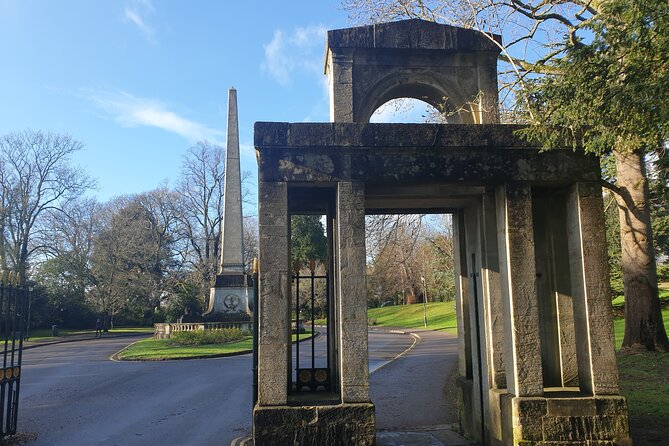
The biggest compliment in the reviews is not a fancy building or a perfect weather day. It is the guide. People specifically mention that Andy, Jim, and Shiela were experts, offered fun facts, and kept the tour flowing so the time felt quick but not rushed.
Here is what that means for you in real life:
- You can ask questions and get straight answers instead of hearing a scripted talk you cannot pause
- Your guide may adapt to what your group wants, including walking off the beaten path when it makes sense
- The mood stays relaxed, which matters when you have children, older relatives, or just limited patience
One review described the experience like being in an excellent podcast where you could see the places while listening and still ask questions. That is exactly what I hope for when I pay for a guided walk. You want the information delivered in a way that sticks, and you want the guide to manage the pace so it feels human, not mechanical.
If you care about local recommendations, you may also benefit. One review notes the guide gave dining suggestions that landed well. Even if you do not follow every recommendation, the guidance helps you avoid “hungry and confused” decisions.
Price and value for a group up to 15, plus the add-on ticket costs
The price is $579.61 per group, for up to 15 people. That is the part that can make this tour feel like good value, because you are not paying per head. If you travel with family or friends, the cost per person can drop fast compared to single-person tours.
But you still need a clear picture of what you pay separately. The tour price includes the guided walking and commentary, and it does not include:
- Roman Baths entrance fee (the fee is listed separately, and you should budget for it)
- Abbey church entrances (also listed separately)
Other stops are mostly free views, so you should not feel like you are constantly opening your wallet. The tour’s structure also gives you a planned moment to decide on paid sites, especially the Roman Baths after the walk.
So is it worth it? If you want:
- an efficient orientation to Bath’s top sights
- expert guidance that connects the dots
- skip-the-line help for the Roman Baths so you do not waste half a day
then it often pays off. If you already know Bath well and only want a self-guided hit list, you might not need a guide. But if you want the city to make sense quickly, this format usually hits the sweet spot.
Should you book this Bath half-day walking tour?
Book it if you want to see Bath’s signature places in about four hours, and you value a Blue Badge guide who can answer questions and keep things lively. It is especially good for groups that want flexibility and for travelers who prefer learning while walking, not sitting.
Skip it or swap to a different option if your priority is spending long hours inside museums and you want a slow, unhurried day. This is fast and focused. You will leave with a strong sense of where things are and why they matter, but you will not leave with every attraction fully explored.
If you are on the fence, here is my simple decision rule: if you want the city to feel organized and understandable by lunch or early afternoon, this tour is the smart move.
FAQ
What is the duration of the Bath extended walking tour?
The tour lasts about 4 hours.
Is this tour private?
Yes. It is a private tour/activity, and only your group participates.
How many people are included per group?
The tour price is per group (up to 15 people).
Where does the tour start and end?
It starts at Abbey Churchyard, Bath BA1, UK, and ends back at the same meeting point.
What language is the tour offered in?
The tour is offered in English.
What is included in the price?
You get expert, informative, appropriately entertaining commentary during the walking tour. The Roman Baths entrance fee and Abbey church entrances are not included.
Do I need to pay for the Roman Baths?
Yes. The Roman Baths entrance fee is listed as not included, and Roman Baths entry is handled after the walking tour with express access provided by the guide.
Do I need tickets for Bath Abbey entrances?
Abbey church entrances are listed as not included, so you may need to pay if you want to enter those areas.
What is the cancellation policy if plans change?
You can cancel for a full refund up to 24 hours in advance. The experience also depends on good weather, and if it is canceled due to poor weather you will be offered a different date or a full refund.
Recently reviewed around Bath
- Wells, Cheddar Cheese and Cheddar Gorge – Private Day Trip from Bath★ 5.0 · 10 reviews
- Fun, Flexible Treasure Hunt Around Bath with Cryptic Clues & Hidden Gems★ 5.0 · 208 reviews
- The Splendour of Georgian and Victorian Era Bath: A Self-Guided Audio Tour★ 4.0 · 3 reviews
- Stonehenge & the Cotswolds Including Admission from Bath★ 5.0 · 145 reviews
- BATH: 2-Hour Bath Walking Tour of Bridgerton Filming Locations★ 5.0 · 99 reviews
- ‘Stonehenge & Secret England’ from Bath for 2-8 curious adventurers★ 5.0 · 54 reviews
- Stonehenge and Bath City Tour – Private tour from Bath★ 5.0 · 33 reviews
- Bath Tootbus Hop-on Hop-off Sightseeing Bus Tour★ 4.5 · 247 reviews
Bath Day Trips, compared.

Stonehenge, Windsor Castle, and Bath from London
Read our review →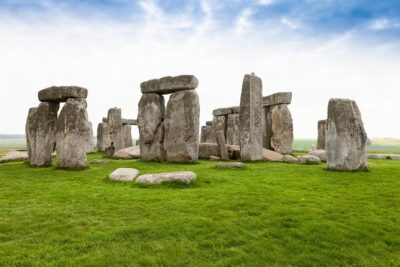
Stonehenge, Windsor Castle and Bath with Pub Lunch in Lacock
Read our review →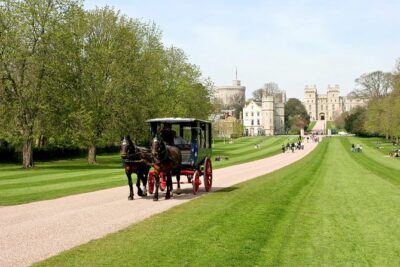
Stonehenge, Windsor Castle and Bath Full Day Guided Tour
Read our review →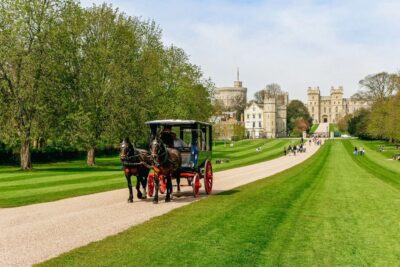
Windsor, Stonehenge, Bath, and Roman Baths Day Trip
Read our review →

Windsor Castle, Stonehenge & Bath Full-Day Tour
Read our review →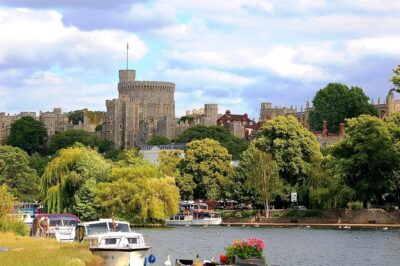
Windsor, Stonehenge and Bath Day Trip from London Spanish
Read our review →
Browse the lists this tour appears in