
Reviewed · BATH DAY TRIPS
Jane Austen’s Bath And History Trail
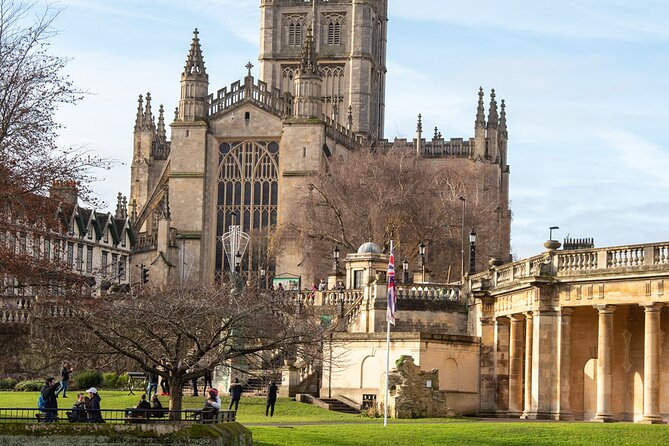
Bath is where Jane Austen’s writing really starts to make sense, because the city itself shaped her themes. This Jane Austen Bath and History Trail strings together street corners, famous buildings, and a few surprisingly specific Austen spots, all on foot. It is a very practical way to get oriented fast in Bath, without feeling like you are doing homework.
I love the mix of Regency glamour and real architecture. You get outside looks at the grand streetscapes, plus stops that explain why places like the Circus and Royal Crescent were built the way they were. I also like that the Jane Austen Centre visit is included, so you get a focused Austen snapshot before you keep walking.
One thing to consider: you will do a fair amount of walking, including some uphill and a few steep steps. And while the tour covers a lot, museum entrances are not included, so you may still want to budget for tickets at places you are most curious about.
Key things to know before you go
- Meet at Pulteney Bridge Coffee Shop (No 17), not the Jane Austen Centre, if you want to start on time.
- Ulrich Wenske leads the walk, and the vibe is friendly and interactive, with flexibility when weather turns rough.
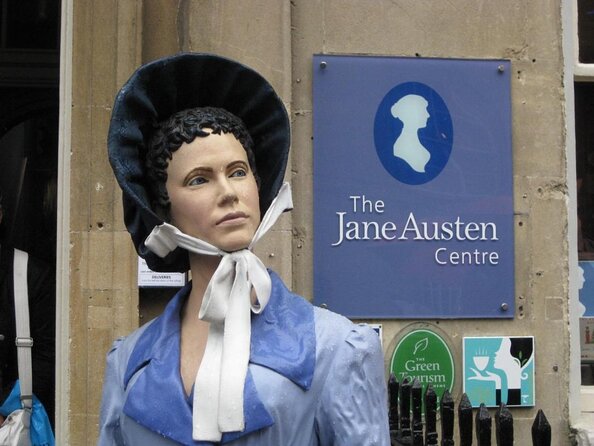
- Jane Austen Centre entry is included (plus time in the book shop), while some internal guides and other museum fees are not.
- Royal Crescent (No 1) and other interiors may cost extra, since entrance fees are not included.
- You’ll hear Bath’s story through Austen connections, from her stays to the city’s Roman and Georgian layers.
- Max group size is 10, which helps keep questions from getting lost.
A Jane Austen Walk That Gets You Oriented in 2.5 Hours
Bath can be a lot for a first visit. Streets look similar from a distance, and the buildings feel like they belong in a movie set rather than real life. This tour is built to fix that fast, linking the biggest highlights with the Jane Austen details that make them stick.
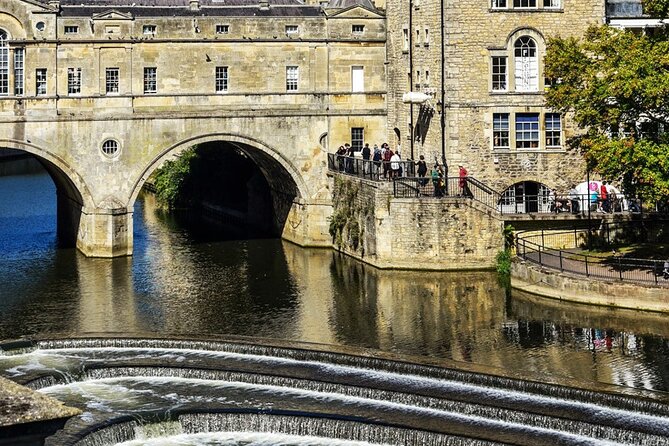
You start with the most “Bath” looking spot right away: Pulteney Bridge, a showpiece bridge lined with shops and built in 1769. From there, the route moves outward in a logical loop so you see major landmarks without bouncing across the city all day.
The timing is about 2 hours 30 minutes, with a maximum group size of 10. That matters because it keeps the walk manageable and makes it easier for a guide like Ulrich to adjust when someone asks a question or the weather shifts.
More Bath day trips:
- Walking Tour of Bath with Blue Badge Tourist Guide
★ 5.0 · 1,877 reviews - Bath: City Walking Tour with Optional Roman Baths Entry
★ 4.7 · 1,401 reviews - Bath: Guided Walking Tour
★ 4.9 · 1,198 reviews
Pulteney Bridge, Great Pulteney Street, and the Austen Plaque You Can Miss
The tour begins at Pulteney Bridge Coffee Shop, 17 Pulteney Bridge, Bath (BA2 4AY). If you are tempted to head to the Jane Austen Centre because the marketing photos show it, don’t. The meeting point is explicitly by Pulteney Bridge, and getting this part right saves you stress.
From the start, the walk includes a short stop where the guide explains Great Pulteney Street’s townhouse architecture and the notable residents tied to the 18th and 19th centuries. You also get a clear view toward the Holburne Museum of Art, which helps you connect what you are seeing to other places in Bath.
One small but memorable detail is the nearby No. 4 Sydney Place, where a name plaque commemorates Jane Austen’s first dwelling in Bath. It is a quick look from the street, and there is no ticket required, which makes it an easy win.
If you want to stretch your legs on your own, you can also walk along Pulteney Street toward the Holburn Museum while you are still in the area. The tour does not slow you down for museum browsing, but it sets you up for easy self-guided exploration right after.
The Jane Austen Centre Stop That Makes the City Click
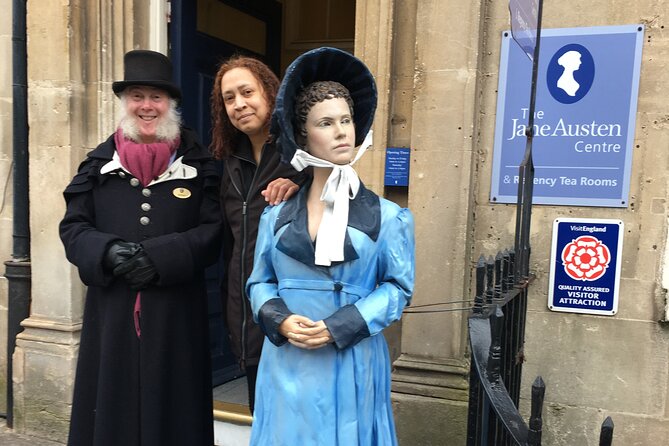
Next up is the Jane Austen Centre, which gives you a short, focused look at Regency life and specifically how living in Bath affected Austen’s writing. The stop is timed for about 20 minutes, and the tour includes free entry to the centre, plus a visit to the book shop.
This is a smart pacing choice. You get the “why Bath mattered” part before the walking gets more dramatic with buildings like the Royal Crescent and Bath Abbey. If you only visited the external sites, Bath could feel like a photo tour. This indoor stop helps you connect the dots.
Important practical note: the centre’s own internal guided tour staff are not included. What you do get is entry through the tour and time to browse. If you like shopping, this is where you will likely linger a little.
No. 1 Royal Crescent: Where You See the Grand Interiors
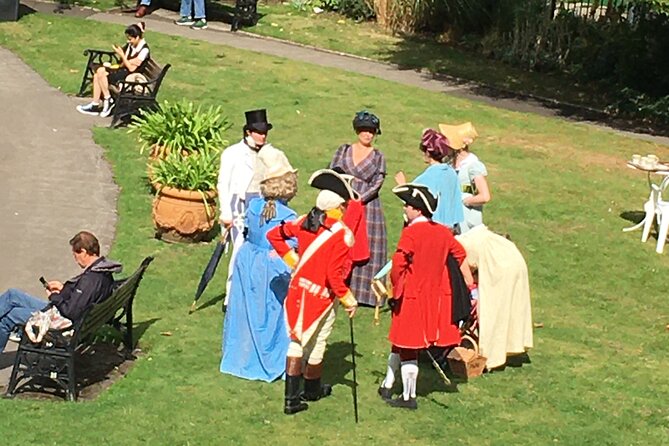
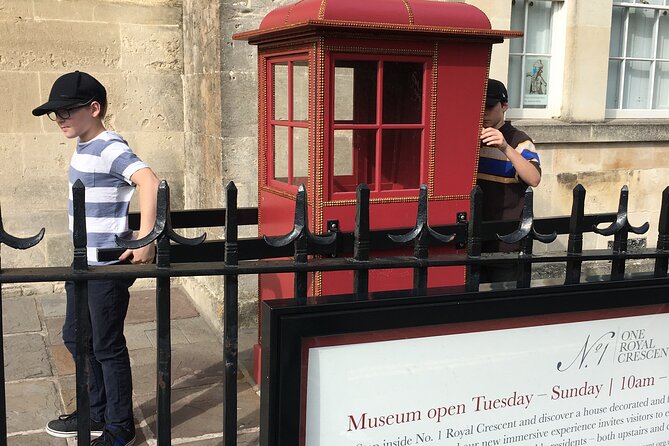
The tour then heads to No. 1 Royal Crescent, one of Bath’s most photographed buildings. The Crescent itself is the star here, described as the largest crescent in Europe, with 30 terraced houses and giant Ionic columns.
No. 1 is a museum. The key detail for your planning is that museum entrance fees are not included, so you have a choice: enjoy the exterior and the guide’s context, or pay if you want the inside view. The tour stop is short, about 15 minutes, so you are not meant to lose time in queues.
Why this stop works even if you skip the museum: the guide’s explanation turns the building into a story. Instead of just seeing pretty stonework, you learn how Georgian Bath used architecture to signal class, comfort, and status. That becomes a backdrop for everything else you see afterward.
More history tours in Bath:
- Bath: Local Pubs & Historic Sights Walking Tour (3h)
★ 5.0 · 31 reviews - Bath: Local Pubs & Historic Sights Walking Tour (3h)
★ 4.9 · 29 reviews - Bath : 2 Hour Historic Walking Tour With An App
★ 3.6 · 19 reviews - Bath: Private Unconventional History of Bath Walking Tour
★ 4.3 · 3 reviews
Bath Abbey’s Memorials, Restoration Dates, and the Power of Place
From Royal Crescent, you move to Bath Abbey, which started in the early 12th century and saw major restoration work in 1499 under Bishop Oliver King. The guide also covers how completion happened under Elizabeth I in 1611, tying the Abbey’s survival to centuries of change.
Bath Abbey is famous for its memorials and wall plaques, and the tour’s focus is on what those details mean. You also learn about a major historical anchor point, the crowning of Edgar I in 977, and how the Abbey fits into Britain’s bigger story.
The interiors visit is part of the tour experience, but remember that ticketed entry fees are not included. If you want the full interior access, plan to pay separately. The good news is that you will not feel rushed through the outside context, so even a partial visit still pays off.
If it helps you decide, I think Bath Abbey is one of those places where paying for interior access is often worth it, because the plaques and memorials are where the story lives.
Natural Thermal Springs and a Rooftop Pool You Can Actually Swim In
One of the most distinctive parts of this tour is the Bath thermal water story. You learn about Bath’s springs, including Hetling Spring, Cross Spring, and King’s Spring, with origins traced back 10,000 years.
The itinerary also references a stop where you can swim in natural thermal water at a rooftop pool, described at 35 degrees Celsius and open in summer and winter. This is the kind of Bath-specific detail that you just cannot get from guidebooks, because it is about how the city uses its own geology in everyday life.
One practical reality: the tour does not turn into a long spa visit. It is a history and sightseeing walk, so expect the thermal stop to be more about explanation and perspective than spending hours in the water.
If your travel style includes short, memorable interactions, this part is a great fit. If you are hoping for a full spa session with towel time, this tour probably should be paired with a separate booking.
A Square View Linked to Austen at No. 13 (1799)
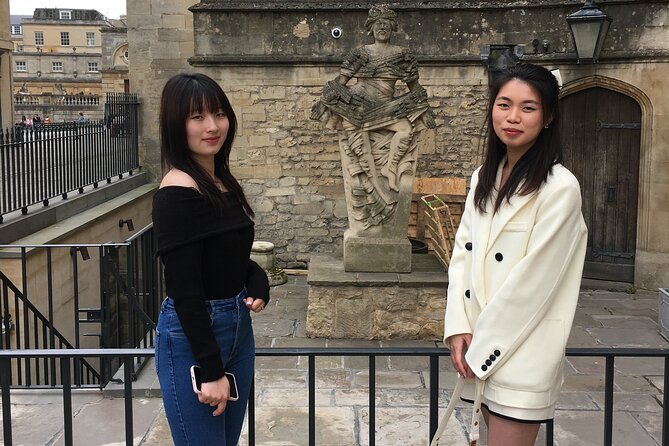
Another stop connects Bath’s streets to Austen’s shorter residence at No. 13 in 1799. The tour frames it around the surrounding architecture of the square, so you do not just hear a name and an address. You look at the urban design that would have influenced her daily routines.
This is one of those moments where a good guide makes a quick stop feel meaningful. You might think, “Okay, another building.” But when you connect it to a specific year and address, Bath starts to feel like a lived-in setting, not just a background for photos.
Because the tour time is limited, you will not have a long research moment here. Still, it is an efficient way to see an Austen-linked spot and understand why it mattered.
The Circus: John Wood’s Design and the Funny Little Sound Test
Next is the Circus, a landmark associated with the John Wood architects. The tour describes it as a design inspired by interest in prehistoric stone circles and shaped to emulate the Coliseum in Rome. Work began in 1754, and the guide explains what makes the Circus special.
This part is also where you often get the most “I get it now” feeling about Bath’s Georgian planning. The guide’s explanations help you see the Circus as more than a dramatic curve of buildings. It becomes a statement about taste, influence, and how people wanted to live in a city that looked impressive even from street level.
A small fun detail from the experience: the Circus area is known for echoing effects when you stand in certain spots. If you feel silly doing it, good. That is exactly the right energy for a tour like this.
Assembly Rooms: Regency Social Life, Without the Heavy Ticket Feel
The walk also includes the Assembly Rooms, focusing on the public and ball rooms where fashionable Regency society socialized. The tour mentions spaces like the octagon, the card room, and the tea room as locations that still host events.
Tickets for interiors are not included, so you may only view parts from the outside or decide later if you want to pay for interior access. The guide’s job here is to make the exterior feel like a doorway to real social history.
If you are a Jane Austen fan, this stop pairs nicely with everything you learned at the Jane Austen Centre. Bath’s social world is part of why Austen’s characters and plots feel so believable. Even if you do not go inside, the setting connects.
Roman Baths, the Pump Room, and Northanger Abbey Connections
The tour wraps with the heart of Bath’s ancient identity: the Roman Baths and the nearby Pump Room. The main landmark is described as dating from the 1st century AD, including the Roman temple of Sulis Minerva and the pools.
The guide recommends that if you want deeper audio context, you book Roman Baths audio tours separately before or after this walking portion. That is a helpful approach because it lets you keep this tour moving, while still giving you a path for more detail if you care.
Right beside the baths is the Pump Room, presented as a symbol of Bath’s Georgian golden age, where the fashionable elite gathered for tea and to “take the waters.” The tour even connects this setting to Austen’s Northanger Abbey, where characters like Catherine and Isabelle meet in the novel.
This is where the whole trail clicks into place. You go from Austen’s Regency life, to Georgian spectacle, to the Roman roots underneath it all. Even if you do not pay for every interior stop, you leave with a layered sense of Bath.
Price and Value: What $40.24 Buys You in Real Terms
At $40.24 per person for about 2.5 hours, you are paying for three things: guided orientation, Austen-specific storytelling, and a tight route that hits multiple major landmarks.
Entrance fees for some museums are not included, including No. 1 Royal Crescent and other ticketed sites. So the price is not “everything included.” But the value comes from how much context you get while you walk. A lot of Bath’s best details are easy to overlook if you are sightseeing solo.
Also, the group size cap at 10 helps. With a smaller group, you get more chances to ask questions, and the guide can keep the pacing thoughtful. In the experience, Ulrich is described as friendly and interactive, and he even offers options if weather turns poor, including a virtual-style approach if you prefer shelter.
The practical upside for you is simple: you get a structured, guided use of your limited time in Bath. If you are short on days or want a reliable first-day plan, this price looks fair.
Who This Tour Fits Best (and Who Might Want Something Else)
This is ideal if you meet any of these categories:
- You are a Jane Austen fan who wants specific Bath connections, not just general Regency vibes.
- You want a first introduction to Bath that points you toward where to go next.
- You care about architecture and city planning, especially Georgian highlights like the Circus and Royal Crescent.
- You like a guide who answers questions and keeps things friendly, which is the tone associated with Ulrich’s style.
It may feel less perfect if you want a fully ticketed museum day, because several interior access options are not included. It may also be less comfortable if walking uphill is hard for you, since the route includes some steep steps and you should plan for a real walking workout.
Getting Your Photos and Timing Right
Because you cover major landmarks on foot, timing matters. This is not a hop-on hop-off bus format. You will likely do quick stops for photos and then move on.
Wear comfortable shoes, and bring water if it is warm. The route is paced for walking and explaining, not for long rests. If the weather is rough, you will still have options, but you should plan to stay flexible.
And again, double-check the meeting point: Pulteney Bridge Coffee Shop at No. 17. Arriving there first keeps everything smooth.
Book It or Skip It: My Honest Take
I would book this tour if you want an efficient, Austen-focused way to understand Bath in just a couple of hours. The route hits the landmarks that make the city recognizable, and the Austen links help those landmarks feel personal and specific. With Ulrich Wenske leading and a max group size of 10, the experience tends to feel more like a guided walk with good conversation than a rushed checklist.
Skip it or pair it with something else if your top priority is deep museum time. Since several interior fees are not included, you might finish the tour wanting more time in one or two places, like Royal Crescent, Assembly Rooms, or the Roman Baths.
If you are trying to decide, here is a simple rule: if you like walking and stories, this is a strong “yes.” If you prefer staying inside most of the time, plan a separate museum day and keep this tour as your orientation piece.
FAQ
How long is Jane Austen’s Bath and History Trail?
The tour lasts about 2 hours 30 minutes.
Where does the tour start, and where does it end?
It starts at Pulteney Bridge Coffee Shop, 17 Pulteney Bridge, Bath BA2 4AY and ends back at the meeting point.
What is the price per person?
The price is $40.24 per person.
What’s included in the tour versus not included?
The tour includes the guided experience and English or German multilingual guide support. It does include entry to the Jane Austen Centre and visiting the book shop, but it does not include entrance fees for ticketed museums, including No. 1 Royal Crescent.
Are there museum entrances included for places like Royal Crescent, Bath Abbey, and Assembly Rooms?
No. Entrance fees for museums are not included, including No. 1 Royal Crescent. Bath Abbey and Assembly Rooms are described as places you can visit, but entrance fees are not included.
What group size should I expect?
The tour has a maximum of 10 travelers.
Is the tour dependent on the weather?
Yes. The experience requires good weather. If it is canceled due to poor weather, you will be offered a different date or a full refund.
Recently reviewed around Bath
- Wells, Cheddar Cheese and Cheddar Gorge – Private Day Trip from Bath★ 5.0 · 10 reviews
- Fun, Flexible Treasure Hunt Around Bath with Cryptic Clues & Hidden Gems★ 5.0 · 208 reviews
- The Splendour of Georgian and Victorian Era Bath: A Self-Guided Audio Tour★ 4.0 · 3 reviews
- BATH: 2-Hour Bath Walking Tour of Bridgerton Filming Locations★ 5.0 · 99 reviews
- Stonehenge & the Cotswolds Including Admission from Bath★ 5.0 · 145 reviews
- ‘Stonehenge & Secret England’ from Bath for 2-8 curious adventurers★ 5.0 · 54 reviews
- Stonehenge and Bath City Tour – Private tour from Bath★ 5.0 · 33 reviews
- Bath Tootbus Hop-on Hop-off Sightseeing Bus Tour★ 4.5 · 247 reviews
Bath Day Trips, compared.

Stonehenge, Windsor Castle, and Bath from London
Read our review →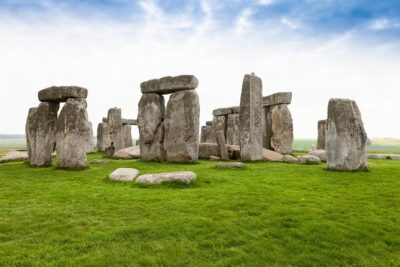
Stonehenge, Windsor Castle and Bath with Pub Lunch in Lacock
Read our review →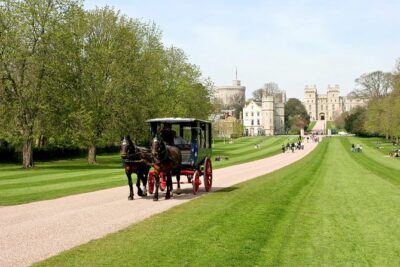
Stonehenge, Windsor Castle and Bath Full Day Guided Tour
Read our review →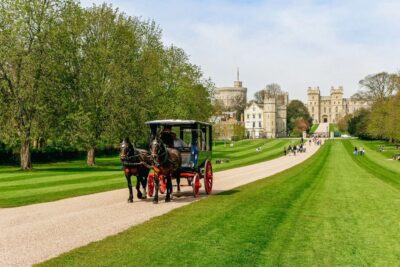
Windsor, Stonehenge, Bath, and Roman Baths Day Trip
Read our review →

Windsor Castle, Stonehenge & Bath Full-Day Tour
Read our review →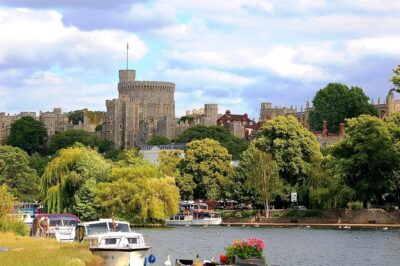
Windsor, Stonehenge and Bath Day Trip from London Spanish
Read our review →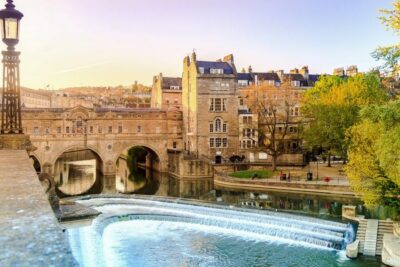
Browse the lists this tour appears in