
Reviewed · BATH DAY TRIPS
Bath: Private Walking Tour
Bath is interesting because it mixes big, easily recognizable landmarks with layers of time, Roman to Georgian, all in one compact UNESCO-listed city. The private format is the real upgrade, you get one-on-one attention and a guide who can steer the walk based on what you care about. I also love that the route hits the most famous spots without feeling like a rushed checklist, and that Bath Abbey is included with time to notice details like the Edgar window. One consideration, if you want a heavy focus on Jane Austin specifically, the guide may only touch it lightly since the tour is built around the city’s key architecture and history.
I also like that it is customizable and student-led, so you get clear, human explanations and the chance to ask questions as you walk. William and Cameron, two of the guides named in past bookings, are described as friendly, enthusiastic, and easy to understand, even for non-native English speakers, and that kind of clarity matters when you are trying to absorb 2,000 years of Bath in a short window. The main drawback to keep in mind is the pace is still a walking tour, so if someone in your group needs frequent long breaks, you will want to tell the guide up front.
Key Highlights to Look Forward To
- Private and customizable, so you can shape the walk around your interests
- Pulteney Bridge to the Roman Baths, a classic Bath storyline on foot
- Bath Abbey entrance included, with time for the Edgar window
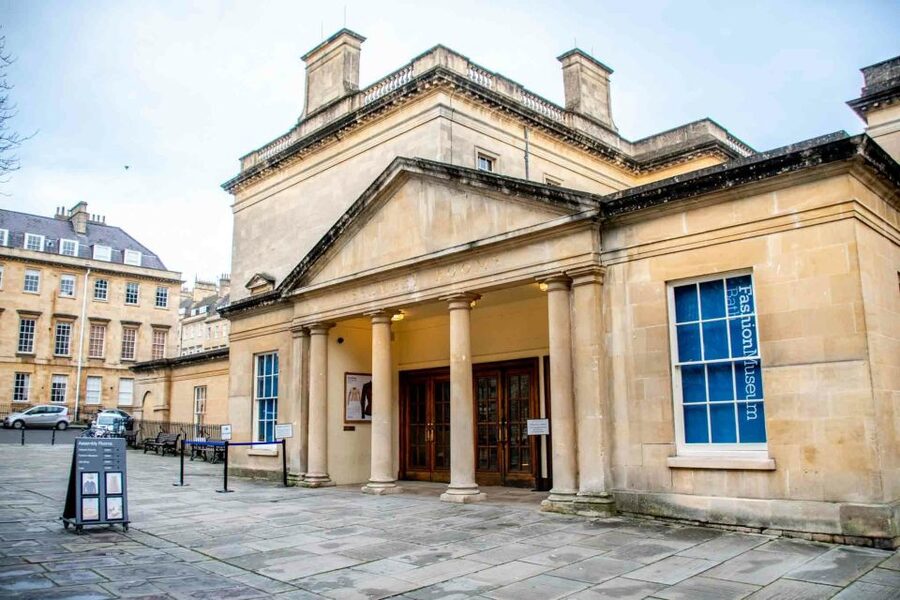
- Thermae Bath Spa shown from the route, focusing on the thermal story
- Royal Crescent finish, a satisfying Georgian finish to close the loop
- English student guide, with one-on-one Q and A during the walk
Why a Private Bath Walk Beats DIY Sightseeing
Bath is a great city for independent travel, but it is even better when someone helps you see the patterns. This tour works because it does not just name monuments, it connects them. You go from the Roman era into Georgian Bath, with the UNESCO context in the background the whole time, so places stop feeling random.
The other win is the private group setup. Even though you are walking with a guide, it does not feel like you are being processed through a crowd. People share their preferences in advance, and that matters. If you care more about architecture, your guide can spend more time on facades and street details. If you care more about the city story, you get the history threads tied together at a human pace.
More Bath day trips:
- Walking Tour of Bath with Blue Badge Tourist Guide
★ 5.0 · 1,877 reviews - Bath: City Walking Tour with Optional Roman Baths Entry
★ 4.7 · 1,401 reviews - Bath: Guided Walking Tour
★ 4.9 · 1,198 reviews
Meeting at Bath Abbey and Getting Oriented Fast
You meet your guide outside the main door to Bath Abbey, which is a smart starting point because it anchors the walk in a building you will talk about more than once. This is also where you get your Bath Abbey entrance included, so you are not paying extra just to see the one site that needs it.
Once you start, you will likely get a quick sense of where you are in Bath and how the tour will unfold. The benefit is simple, when you understand the city’s layout, the rest of the landmarks make sense. Past guests praised guides for being friendly and clear, and for showing visitors parts of Bath they would not have found on their own, which is exactly what you want from a guided first pass.
Pulteney Bridge and the Instant Roman-Era Feeling

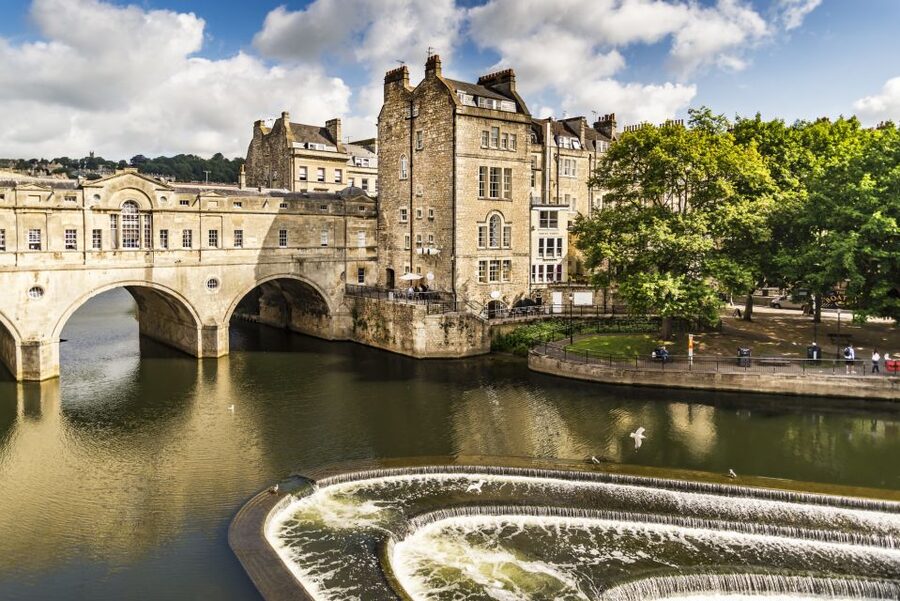
Crossing Pulteney Bridge early is a good move. Even if you have seen photos, standing on the bridge helps you register how Bath’s waterways and building lines work together. It is also the kind of landmark that instantly gives your photos a sense of place, not just a picture of stone.
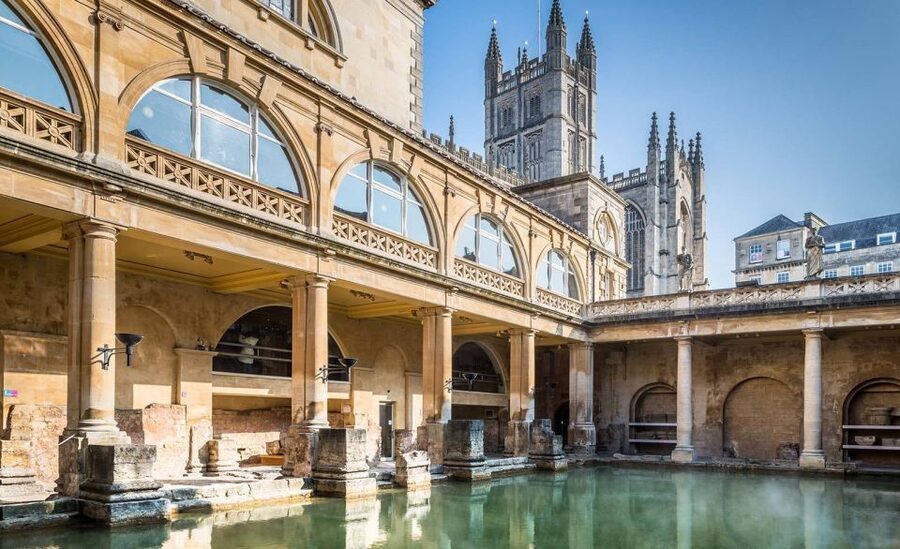
Then you move into the Roman Baths area and the story shifts from Georgian Bath’s clean lines to the Roman world that helped shape the city. This is where your guide’s job really shows. You are not simply looking at ruins, you are learning how the city became what it is, including why people kept returning across centuries.
If you want an easy photo strategy, aim for an early start when streets feel quieter. One past booking specifically called out an early departure around 8:30am as a time when Bath felt almost deserted, which makes it easier to notice details and grab photos without the constant crowd shuffle.
Roman Baths to Thermae Bath Spa, How Bath’s Thermal Story Fits
Bath’s Roman reputation often gets most of the attention, but your route also points you to Thermae Bath Spa. In this tour you typically pass it as part of the walk rather than turning it into a full spa visit. That is actually helpful, because you get the meaning of the site without spending extra time on activities that are not the focus.
Thermae Bath Spa is notable here because it is described as Britain’s only thermal spa, and that detail matters. It explains why Bath did not just become a Roman city and then fade away. The thermal water connection is a thread that kept pulling people back, first in ancient times and later as Bath evolved into a destination for society and architecture.
This is also a good moment to use the private format. Ask your guide to connect the thermal history to what you see in the streets. When someone ties the landmarks to a single storyline, your brain stops treating Bath like separate sightseeing stops and starts reading it like a city.
More walking tours in Bath:
- Roman Baths and Bath City Walking Tour
★ 4.5 · 762 reviews - Best of Bath Walking Tours – Georgian Tour
★ 5.0 · 449 reviews - Bath: Bridgerton Filming Locations Walking Tour with Music
★ 4.7 · 416 reviews - Bad of Bath fun Walking Tour of Bath
★ 5.0 · 402 reviews
Bath Abbey’s Edgar Window: Where Detail Turns Into Story
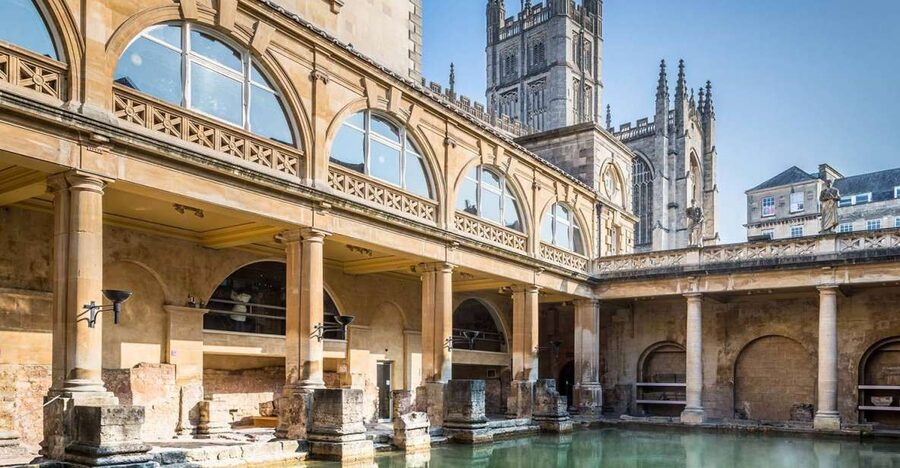
After the walk through the wider city highlights, you spend time at Bath Abbey, including attention to the Edgar window. This kind of stop is underrated. You might walk past stained glass and carved stone in other cities without much guidance, but with a focused guide you start seeing what matters, the design choices, the historical significance, and the reasons the building has such a complicated past.
One of the main reasons this part lands well is the kind of explanation you get. Past guests singled out guides for being enthusiastic and for answering questions clearly. That matters here because Abbey details can feel abstract if you do not know what to look for.
Also, if you are visiting Bath with kids, this is the type of stop that can work well. A family booking with children aged 12 and 10 described the kids loving it too. The one improvement idea they offered was to include children more actively, so if you are traveling with younger visitors, tell your guide you would like the tour to involve them. Simple questions and small challenges go a long way.
Jane Austin Connection, and How to Think About It

Your tour includes a stop where you learn about Jane Austin’s connection to Bath. This is a nice bonus for literature fans because Bath is tied to famous stories and visitors from different eras, and your guide can connect the personal side of the city to the places you are standing in.
One caution from experiences shared by guests: if you are hoping for a major, book-level Jane Austin focus, you might find the coverage is lighter than a dedicated literature tour. For me, that reads as a planning hint, not a negative. The tour is built to cover the city’s core architecture and landmarks, so Jane Austin becomes part of the context rather than the main engine of the day. If Austen is your top goal, you may want to pair this with another targeted stop later.
Royal Crescent Finish, the Georgian Note You Can Feel
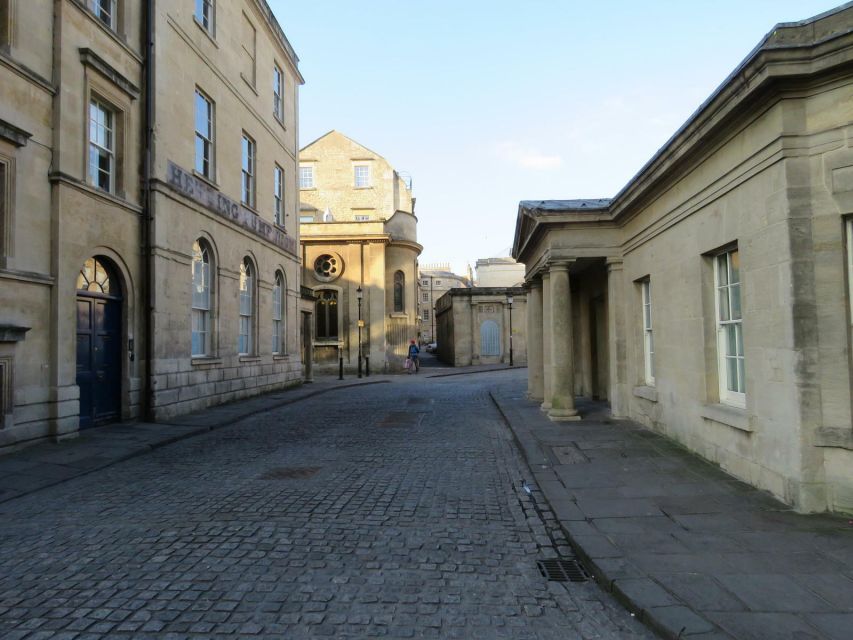
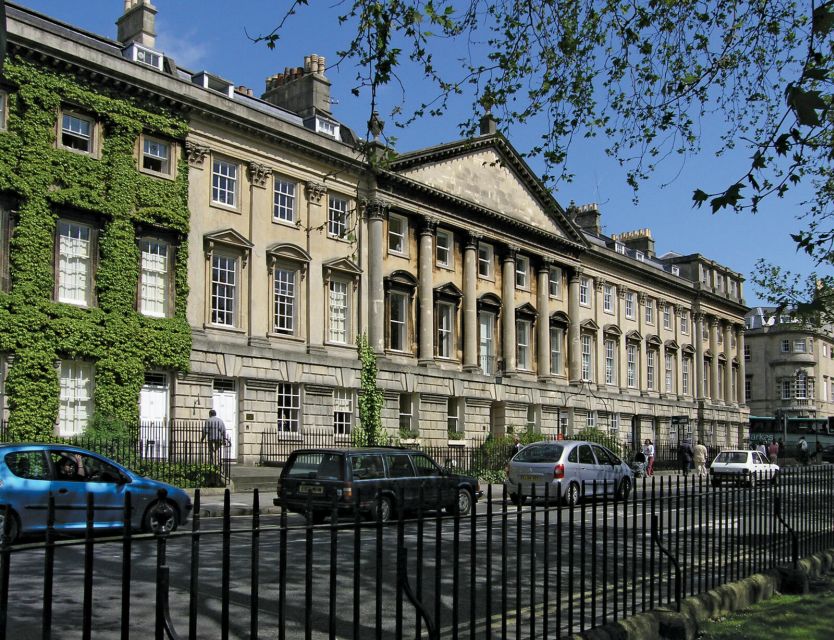
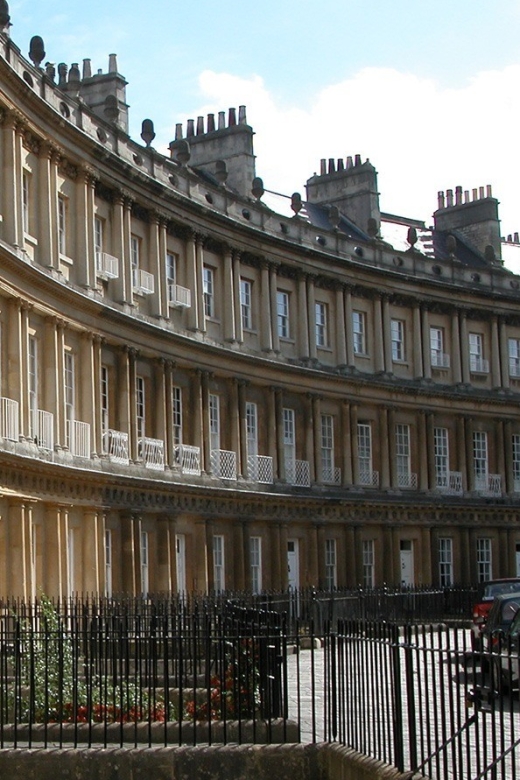
Ending at Royal Crescent is a strong finish. It is the kind of place that makes you understand why Bath became famous for its elegant streets and planned neighborhoods. You are moving from Roman and medieval-era stories into a Georgian cityscape, and the timing of this shift helps it click.
This is also where you can take a breather and look around. With a private guide, you can ask how the surrounding street patterns relate to the bigger picture of Bath’s design, and you can spend extra time if you feel like the light is good for photos.
A final note on the value of a well-chosen ending: tours that stop randomly can feel anticlimactic. This one ends at a landmark people recognize, so you leave with a clear mental snapshot of Bath’s best-known face.
Student-Guided, One-on-One Attention: What That Means for You
A student guide is not the same as a script reading from a wall. The best version of this setup is described in multiple bookings, friendly and enthusiastic guides, clear explanations, and a comfortable pace that leaves room for questions. Past guests even mentioned a guide speaking loud and clear, which is especially helpful if English is not your first language.
Because it is a private group, you can use your questions strategically. Instead of asking random facts, ask how one landmark connects to the next. For example, you can ask your guide to connect what you saw at the Roman Baths to what you later notice in Bath Abbey or in the Georgian buildings.
If you are traveling as a couple, this setup tends to feel like a conversation walk. If you are traveling as a family, it can work well too, as long as you prompt the guide to engage children. That simple step can turn a “see it and move on” day into a memory-making day.
Price and Value: Is $101 Worth It?

At $101 per person for a 2-hour private walking tour, the price makes sense only if you treat it as a value add, not a replacement for sightseeing. Here is what you are paying for that justifies the cost.
First, it is private and customizable. In a city like Bath, where you can absolutely DIY the highlights, the differentiator is personalization and the guide’s ability to point out what you would miss.
Second, Bath Abbey entrance is included. That reduces the friction of paying for entries on top of the tour and helps you get more out of the time.
Third, you get a guided storyline across the UNESCO-listed city, including Pulteney Bridge, the Roman Baths, the Thermae Bath Spa area, Bath Abbey, and Royal Crescent. Done right, that kind of coverage saves you the time you would spend researching routes and figuring out what to prioritize.
The only way the price feels steep is if your group prefers a slow, unstructured wander with no need for context. If that sounds like you, DIY might fit better. But if you want clarity fast, this price can feel fair.
Rain or Shine: Comfort Tips That Actually Help
This tour runs rain or shine, so plan like the weather might not cooperate. Wear comfortable shoes, because Bath is a walking city and this experience is built around moving through it.
I also suggest bringing a small layer you can handle easily. When the weather turns, you want to keep your pace rather than stop every few minutes to search for dry space. If your group includes someone with mobility needs, the tour is wheelchair accessible, which is a big plus, but it still helps to dress for the ground conditions you might meet.
If you want the best experience for photos and atmosphere, consider an early start when possible. One guest highlighted the city feeling almost deserted around 8:30am, and quiet streets make everything from architecture photos to window details easier to enjoy.
Should You Book This Private Bath Walking Tour?
Book it if you want a guided first pass through Bath that feels personal and makes the big landmarks connect. It is especially worth it if you like the idea of seeing Roman to Georgian Bath in one 2-hour walk, with Bath Abbey entrance included and time to notice something specific like the Edgar window.
I would skip or at least supplement it if your main goal is extremely focused on Jane Austin, since the story coverage may be more context than deep dive. Also consider skipping if your group dislikes guided walking and prefers long, independent museum or shopping time.
If you decide to go, do two things to get more value. Share your preferences before the tour, and bring one or two question prompts you actually care about, especially how each landmark ties into the next part of the Bath story.
FAQ
How long is the private walking tour in Bath?
It lasts 2 hours.
Where do I meet the guide?
Meet your guide outside the main door to Bath Abbey.
Is Bath Abbey entry included?
Yes, entrance to Bath Abbey is included.
Is this tour wheelchair accessible?
Yes, the tour is wheelchair accessible.
Does the tour run in bad weather?
Yes, it takes place rain or shine.
What language is the tour guide?
The live tour guide speaks English.
Can I cancel and can I pay later?
You can cancel up to 24 hours in advance for a full refund. You can also reserve now and pay later to keep your plans flexible.
Recently reviewed around Bath
- Bath: Local Pubs & Historic Sights Walking Tour (3h)★ 4.9 · 29 reviews
- Full-Day Stonehenge and Bath Tour★ 4.4 · 39 reviews
- From Bath: Salisbury and the Jurassic Coast Small Group Tour★ 5.0 · 4 reviews
- From Bath: Private Tour to Serene Cotswolds with Pickup★ 5.0 · 3 reviews
- From Bath: Private Stonehenge and Salisbury Tour with Pickup★ 5.0 · 3 reviews
- From Bath: Cotswolds Private Day Tour with Pickup★ 4.9 · 17 reviews
- From Bath: Cotswolds and Oxford Full-Day Tour★ 4.7 · 172 reviews
- City of Bath: British Wine and Cheese Tasting Experience★ 4.9 · 21 reviews
Bath Day Trips, compared.

Stonehenge, Windsor Castle, and Bath from London
Read our review →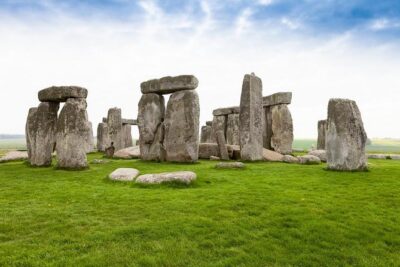
Stonehenge, Windsor Castle and Bath with Pub Lunch in Lacock
Read our review →
Stonehenge, Windsor Castle and Bath Full Day Guided Tour
Read our review →
Windsor, Stonehenge, Bath, and Roman Baths Day Trip
Read our review →

Windsor Castle, Stonehenge & Bath Full-Day Tour
Read our review →
Windsor, Stonehenge and Bath Day Trip from London Spanish
Read our review →
Browse the lists this tour appears in