Reviewed · TOURS
Hidden Tube Tour – Piccadilly Circus: The Heart of London
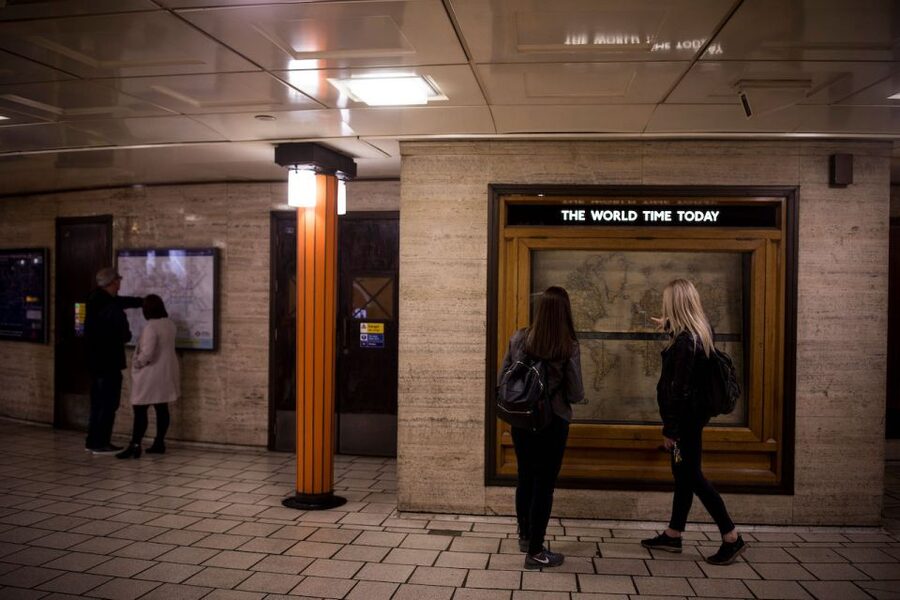
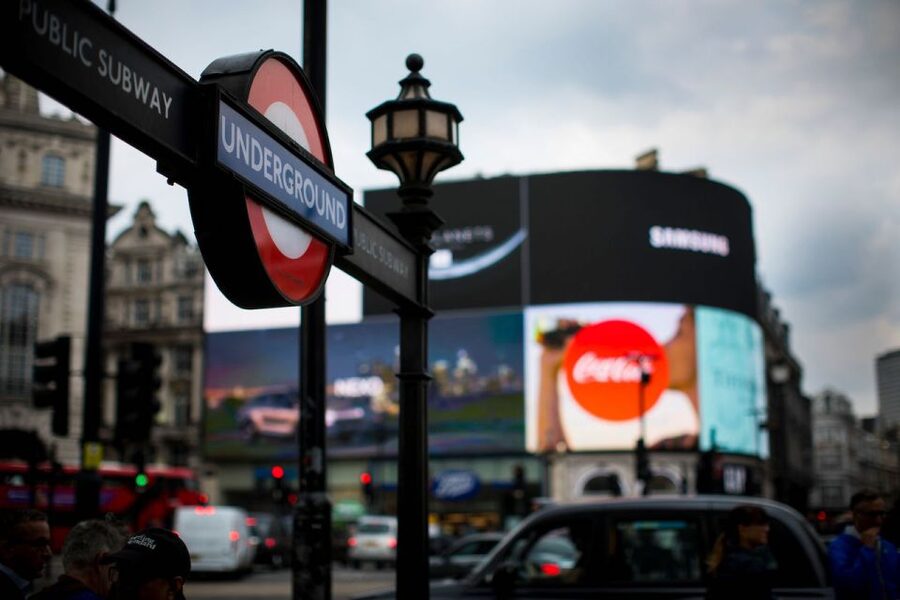
Piccadilly Circus station is one of London’s most recognizable Underground stops, and this Hidden Tube Tour lets you see what most people never get close to. You step into the less famous parts under the landmark, including the remains of the original Edwardian station and disused passenger spaces.
I like how the tour mixes architecture, engineering, and real human stories, not just facts. I also like that it is guided by London Transport Museum specialists using archive material, so the details feel grounded.
One drawback to plan for, this is a stairs-heavy walk in low light. The route is not step free, there is no elevator, and it is not suitable if you have claustrophobia.
Key highlights you should care about
- Edwardian remnants beneath Piccadilly Circus, including original design features you cannot normally access
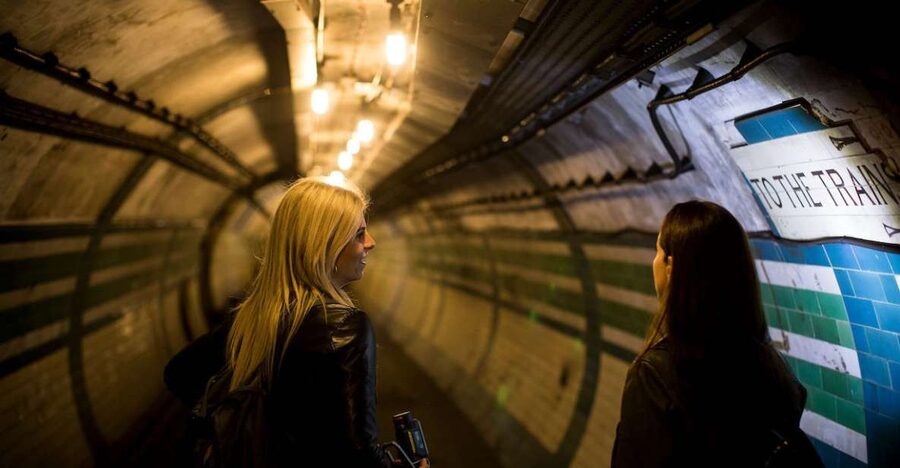
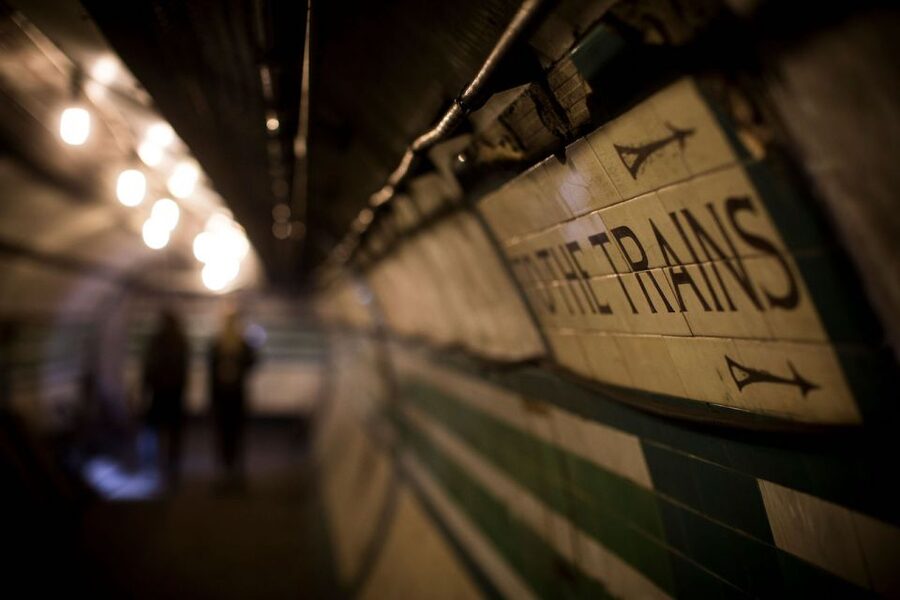
- Disused passenger tunnels closed since 1929, giving you a true sense of how the station used to work
- Wartime sheltering stories, about people who took refuge in the station spaces
- Passageways and lift shafts sealed from the public since 1929, reached through secret doors
- Strong museum sourcing, written by historical experts from London Transport Museum archives
Hidden Piccadilly Circus: what makes it feel special
This tour works because it turns a famous place into a mystery you can actually walk through. Piccadilly Circus feels like a stage from the street, bright signs and constant movement above, but below ground it is an engineering world with older layers still hanging on.
I really like that you are not just looking at posters or behind a rope line. The tour brings you into areas that have been closed to the travelling public for a very long time, which changes how you see the Underground. You start noticing how the station’s design evolved, why certain spaces were built, and how the Underground adapted to pressure from passengers.
The other thing I appreciate is the human layer. You hear stories of wartime shelterers, so the station becomes more than transport infrastructure. It becomes a place where real people hid, waited, and survived, which gives the tunnels and passageways emotional weight.
Other London bookings people compare this one against:
- From London: Harry Potter Warner Bros Studio Tour
★ 4.7 · 26,588 reviews - Magical London: Harry Potter Guided Walking Tour
★ 4.7 · 22,044 reviews - London: Madame Tussauds London
★ 4.6 · 20,915 reviews
Where the tour starts at Piccadilly Circus Exit 4
You meet at the bottom of the stairs of Exit 4 at Piccadilly Circus Underground station. Exit 4 is at the corner of Shaftesbury Avenue and Coventry Street, right next to the Criterion Restaurant.
This matters because you want your bearings fast. Piccadilly Circus can be disorienting, with streets flowing in different directions and crowds moving every which way. If you arrive a few minutes early, you can find the exit and settle before the group starts filtering in.
The good news is the tour ends back at the same meeting point. That makes planning easy. You can cleanly wrap this up and head for dinner nearby without a complicated return route.
Step-by-step tour flow inside the station
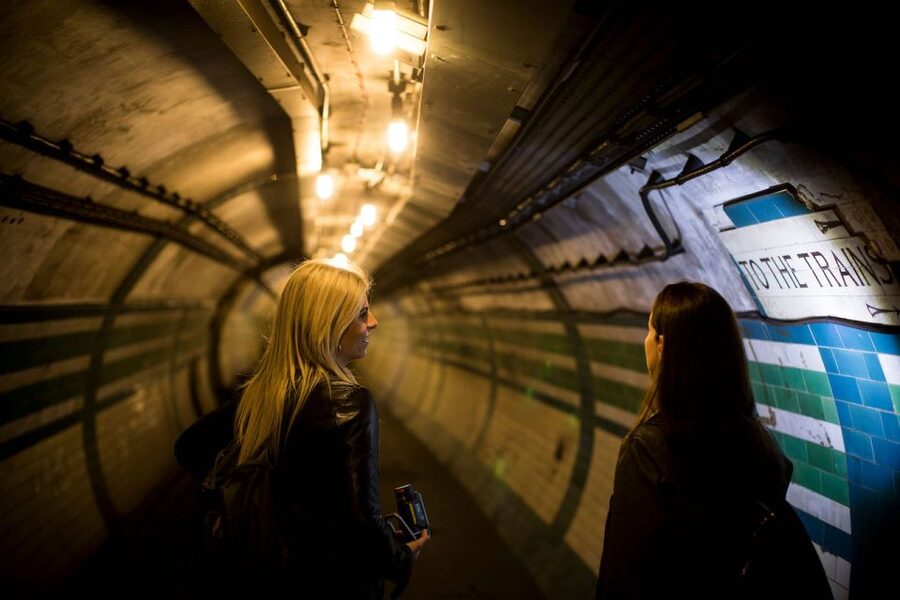
While the exact pacing can vary by group and light levels, the experience follows a clear theme: you move from public station space into restricted areas, and you keep learning what each older space was for.
1) A quick orientation, then you start moving past secret doors
At the start, you get brief context about why Piccadilly Circus station is such a key part of the London Underground story. Then you begin the transition into the behind-the-scenes areas. The key moment is being guided through doors and routes that are not normally available.
What I like here is how it sets expectations. You are not dropped somewhere and told to look around. You are led, and the guide ties what you are seeing to how the station developed over time.
A different sort of day out in London:
- Stonehenge, Windsor Castle, and Bath from London
★ 4.5 · 18,662 reviews - London: Warner Bros. Studio Tour with Transfers
★ 4.7 · 17,586 reviews - London: Tower Bridge Entry Ticket
★ 4.7 · 15,560 reviews - London Big Bus Hop-On Hop-Off Tour with Optional River Cruise
★ 3.5 · 10,803 reviews
2) Passageways and lift shafts sealed since 1929
One of the tour’s most memorable sections is exploring passageways and lift shafts closed to the public since 1929. These are older operational spaces, and you get a sense of the station’s internal workings beyond what you see on the platform.
Low light and tight routes are part of the package here. The tour description is clear that it involves a lot of walking, with uneven ground and low lighting. So if you tend to get uneasy in dim indoor spaces, this is not the best fit.
3) Original Edwardian design features you can actually see
Piccadilly Circus station opened in 1906 and was extensively modernised between 1925 and 1928 to meet passenger demands. During the tour, you discover hidden original Edwardian design features that still remain.
This is where the architecture becomes more than decoration. You start understanding how early station builders designed for flow and space, then how later changes tried to handle the growing crowd pressure. Even if you do not consider yourself an architecture person, you will probably leave with a clearer mental map of the Underground’s layers.
4) Disused passenger tunnels, closed to the public since 1929
Another big ticket item is getting access to disused passenger tunnels closed to the travelling public since 1929. This is the part that feels most like stepping into a time capsule. You are literally walking in corridors that stopped serving regular passenger use decades ago.
From a value standpoint, this is the heart of the tour. People pay to experience places that are normally unreachable. Tunnels like this are hard to replicate in any other attraction, especially at a working Underground station.
5) Wartime shelter stories inside the station spaces
The tour also covers wartime sheltering. You hear fascinating stories about people who took refuge in the station during wartime. That turns the underground environment into something more human and more serious.
I like when guides connect physical space to lived experience. It is easy to look at stone and steel and forget what they were for. When the guide brings in the shelter stories, the station becomes a setting where decisions and fear mattered, not just an engineering diagram.
6) Top-secret storage of priceless artefacts
You also hear about top-secret storage of priceless artefacts. This adds a spy-movie vibe, but grounded in station context. The point is not just drama, it is how London’s transport spaces could be used for protection and logistics when conditions demanded it.
That blend of functionality, secrecy, and history is why this tour works for people who usually do not buy “underground history” tickets. It feels like a real place with roles it had to play.
7) Final return to the meeting point
After you have seen the older spaces and design details, the tour ends back where you started, at the bottom of the Exit 4 stairs. You are left with that satisfying feeling of seeing a familiar landmark from a totally unfamiliar angle.
Guides, pacing, and the kind of experience you’ll likely get
The overall review vibe for this tour is strong on guide quality. The common thread in the feedback is that guides are engaging, informative, enthusiastic, and willing to bring humor into what could otherwise be a stiff history lecture.
That matters on a tour like this because you are walking in low light and moving through older areas. If a guide keeps things lively and clear, the experience stays fun rather than tiring.
Also, the tour is written by historical experts from London Transport Museum, based on archive and collection content. That gives the storytelling extra credibility. You are not hearing random myths. You are hearing curated information tied to the museum’s materials.
Price and value for a 75-minute behind-the-scenes tour
The price is $60.61 per person for a 75-minute tour. It is not the cheapest way to spend an evening in London, but it also is not a generic museum visit.
You are paying for three things that are hard to find in one package:
- Access to areas closed to the public for a long time
- Guided interpretation by London Transport Museum historical experts
- A combination of engineering, design, and wartime stories
In other words, you are not just paying for time. You are paying for access and context. If you enjoy transport history, Underground architecture, or you simply love the idea of what lies behind public spaces, this is likely good value. If you want a laid-back walk with minimal stairs, it may feel steep compared with other nearby attractions.
Who this tour suits best (and who should skip it)
This Hidden Tube Tour is best for curious adults and older teens who do not mind stairs and dim indoor spaces. You should especially enjoy it if you like:
- London Underground history
- Engineering and station design
- Wartime history connected to real locations
- Guided tours that keep a brisk pace
There are some clear mismatches too:
- Not step free, no elevator, and it involves walking up and down flights of stairs
- Uneven ground and low lighting
- Not suitable for claustrophobia
- Not suitable for people with mobility impairments
- Not suitable for children under 10
If you fall into those categories, you will likely feel uncomfortable or face safety issues. For the right person, though, it is a memorable London specialty.
Practical tips so you enjoy every minute underground
This is where a little prep makes a big difference.
Bring what you need
- Bring a passport or ID card.
Wear the right shoes
- Open-toed shoes are not allowed. Wear sturdy footwear. The terrain includes uneven ground and stairs, and low lighting can make slippery spots harder to spot.
Leave bulky stuff behind
- Food and drinks are not allowed.
- No luggage or large bags. There is also no cloakroom, so plan to travel light.
Plan for walking
The tour involves a lot of walking, including stairs and low light. If you know you tire quickly, build in buffer time before and after.
Check your comfort level
Tours are not suitable for guests with claustrophobia. If you are unsure, think about how you feel in enclosed spaces, not just crowds.
Quick orientation to the station story you’ll hear
Even if you have passed through Piccadilly Circus station many times, this tour adds context that sticks.
You learn that the station opened in 1906 and served Bakerloo and Piccadilly lines. Then you hear how it was modernised between 1925 and 1928. That period matters because it shaped the station to handle higher passenger demand.
On the tour, the Edwardian features and closed-off spaces help you see that evolution in physical form. You are not just told that the Underground changed. You walk through what changed and what was left behind.
Should you book this Hidden Tube Tour?
If you love behind-the-scenes experiences, underground history, and guided storytelling with strong museum grounding, I think you should book it. The tour is built around rare access: disused passenger tunnels, sealed passageways and lift shafts, and original Edwardian details that you cannot get any other way.
Skip it if stairs, low lighting, or cramped spaces would stress you out. This is not a casual stroll, and there is no elevator. Also, if you need step-free access, it is not suitable.
If you are in the fence category, ask yourself one simple question: do you enjoy seeing how famous places work when the lights are off? If yes, this is one of those London experiences that turns curiosity into a genuinely memorable hour underground.
FAQ
What is the duration of the Hidden Tube Tour at Piccadilly Circus?
It lasts 75 minutes.
Where is the meeting point for the tour?
The meeting point is at the bottom of the stairs of Exit 4 of Piccadilly Circus Underground station, next to the Criterion Restaurant.
How much does the tour cost?
The price is listed as $60.61 per person.
What is included in the tour?
You get a 75-minute guided tour of Piccadilly Circus Underground station, including disused parts closed to the travelling public.
What language is the live guide?
The tour guide provides the tour in English.
Is this tour suitable for people with claustrophobia?
No, the tour is not suitable for guests with claustrophobia.
Is the tour step free?
No. It is not step free, includes walking up and down flights of stairs, and there is no elevator.
What should I bring?
You should bring a passport or ID card.
What items are not allowed during the tour?
Open-toed shoes, food and drinks, and luggage or large bags are not allowed.
What age limits apply?
The tour is not suitable for children under 10 years old, and there is a maximum of four children aged 10 to 15 per adult.
Recently reviewed around London
- London: Harry Potter Walking Tour with Platform 9 3/4★ 4.6 · 37 reviews
- London: Harry Potter Tour & The London Dungeons Tour★ 3.8 · 28 reviews
- London: Harry Potter Tour, River Cruise & The London Dungeon★ 4.4 · 8 reviews
- London: Harry Potter Walking Tour and River Thames Cruise★ 3.6 · 24 reviews
- London: Harry Potter Tour and London Bridge Tombs Experience★ 3.8 · 4 reviews
- London: Harry Potter Walking Tour and Tower Bridge Ticket★ 4.4 · 7 reviews
- London: Harry Potter Walk, Hop-on Hop-off Bus Tour & Cruise★ 4.1 · 105 reviews
- London: Harry Potter Sights and Shrek’s Adventure Combo Tour★ 4.6 · 3 reviews
Tours, compared.

Magical London: Harry Potter Guided Walking Tour
Read our review →

London Big Bus Hop-On Hop-Off Tour with Optional River Cruise
Read our review →

Warner Bros. Studio Harry Potter Tour with Transfers
Read our review →